Ants invading your dog’s food bowl is more than just a nuisance—it can compromise your pet’s health and make mealtime stressful. While commercial ant repellents exist, many contain chemicals that aren’t safe around pets or food. Fortunately, nature offers several effective, non-toxic methods to deter ants while keeping your dog’s feeding area clean and secure. These strategies are grounded in understanding ant behavior and using simple household items to create barriers they won’t cross.
Why Ants Are Drawn to Dog Food
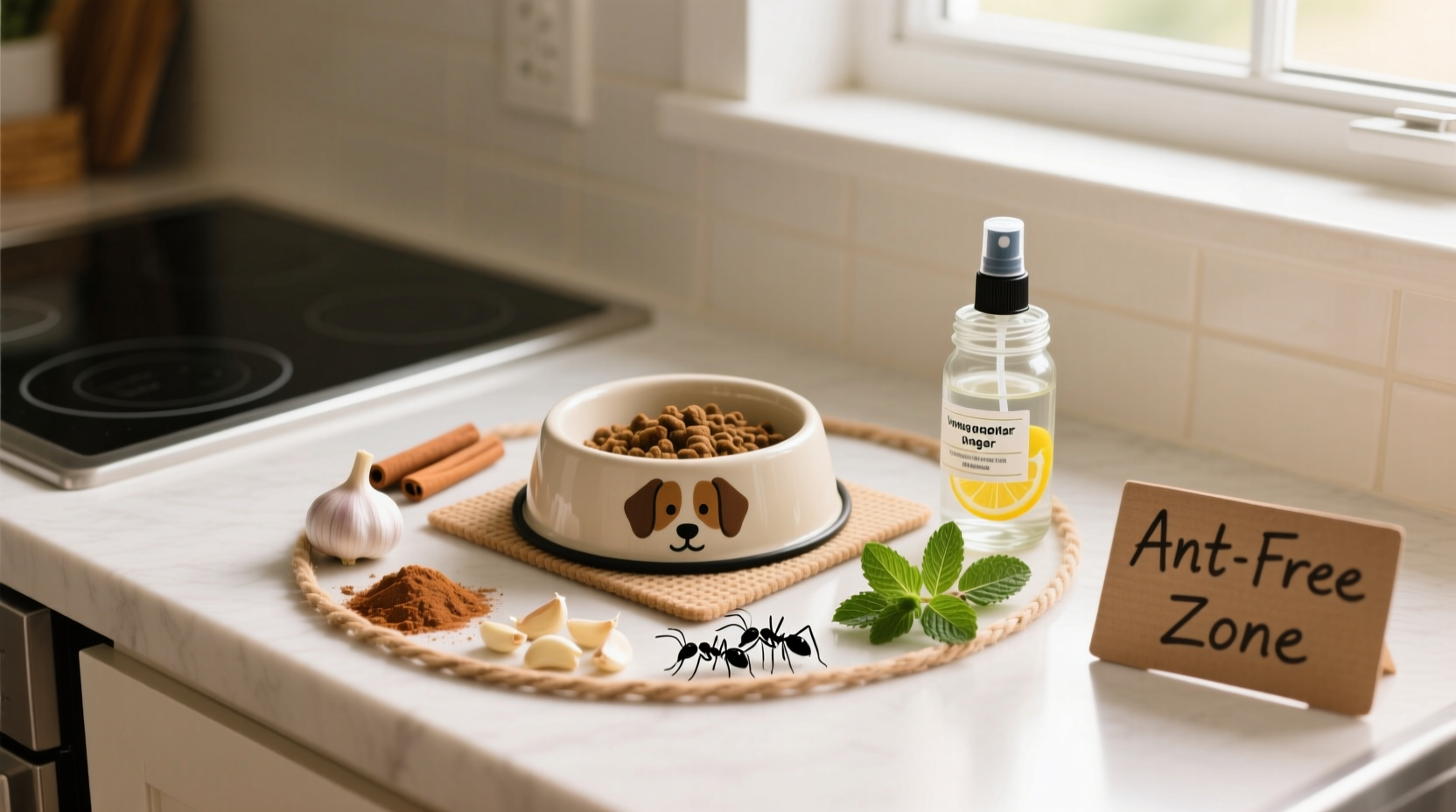
Ants are opportunistic scavengers with an exceptional sense of smell. A single crumb or spill near your dog’s bowl can act as a beacon, triggering a pheromone trail that leads dozens—sometimes hundreds—of ants straight to the food source. Dry kibble often contains fats, grains, and proteins that attract species like Argentine ants, odorous house ants, and pavement ants. Once a trail is established, it becomes increasingly difficult to disrupt without addressing both the access point and the scent markers left behind.
Tip: Wipe down the feeding area daily with vinegar to erase ant pheromone trails and discourage return visits.Step-by-Step Guide to Creating an Ant-Free Feeding Zone
Preventing ants requires consistency and a multi-layered approach. Follow this timeline to establish a long-term solution:
- Day 1 – Clean & Reset: Remove all food bowls and thoroughly clean the feeding area with soapy water, then wipe with a 50/50 vinegar-water solution to neutralize scent trails.
- Day 2 – Elevate & Isolate: Place your dog’s bowl on a platform or tray filled with water (a “moat”) to block crawling ants.
- Day 3 – Apply Natural Barriers: Sprinkle diatomaceous earth or cinnamon around the perimeter of the feeding zone.
- Day 4 – Monitor & Adjust: Observe ant activity and reinforce barriers if needed. Replace damp materials and ensure no spills occur.
- Ongoing – Maintain Routine: Repeat cleaning weekly and refresh deterrents after meals or spills.
Natural Deterrents That Actually Work
Not all natural remedies are equally effective. The following substances disrupt ant navigation, repel scouts, or create physical barriers—all without endangering your pet.
- Vinegar: Its strong acetic acid smell masks food odors and erases pheromone trails. Mix equal parts white vinegar and water in a spray bottle and apply around the feeding area.
- Diatomaceous Earth (Food Grade): This fine powder is harmless to pets when used correctly but lethal to insects. It damages ants’ exoskeletons, causing dehydration. Sprinkle a thin ring around the feeding zone—but avoid letting your dog inhale or consume it directly.
- Cinnamon: Ground cinnamon acts as a natural repellent due to its strong essential oils. While not lethal, it confuses ants’ senses and discourages crossing.
- Lemon Juice: Citrus contains d-limonene, which disrupts ant pheromones. Wipe surfaces with lemon juice or place peels nearby (remove before your dog interacts).
- Mint: Plant fresh peppermint near outdoor feeding areas or use cotton balls soaked in peppermint oil (kept out of reach) to repel ants.
“Using natural repellents like vinegar and diatomaceous earth allows pet owners to manage pests without exposing their animals to neurotoxic pesticides.” — Dr. Lena Torres, Veterinary Environmental Health Specialist
Effective Feeding Setup: Design Matters
The way you set up your dog’s feeding station plays a crucial role in ant prevention. Consider these design principles:
- Elevate bowls off the ground using stands or platforms.
- Use wide, shallow trays filled with water beneath the bowl stand to create an ant moat.
- Choose stainless steel or ceramic bowls over plastic, which can retain odors that attract pests.
- Feed in areas with minimal clutter and good airflow to reduce hiding spots for ants.
Comparison of Natural Ant Deterrents
| Deterrent | How It Works | Pet-Safe? | Duration of Effect | Best For |
|---|---|---|---|---|
| Vinegar Solution | Disrupts scent trails and repels with odor | Yes (once dry) | 1–2 days | Indoor surfaces and baseboards |
| Food-Grade Diatomaceous Earth | Physically damages exoskeletons | Yes (if not inhaled) | Up to 2 weeks (if dry) | Dry perimeter barriers |
| Cinnamon | Masks scents and irritates antennae | Yes | 1–3 days | Aesthetic indoor zones |
| Lemon Juice | Destroys pheromone trails with citric compounds | Yes (non-ingested) | 1 day | Wiping surfaces |
| Peppermint Oil | Strong scent overwhelms ant sensory receptors | Only if kept out of reach | 3–5 days | Outdoor or ventilated areas |
Real Example: How One Family Solved Their Ant Problem
The Ramirez family noticed ants swarming their dog Luna’s breakfast every morning. Despite wiping the floor and changing locations, the issue persisted. They decided to implement a layered strategy: first, they cleaned the entire kitchen corner with vinegar. Then, they placed Luna’s elevated bowl on a metal stand positioned inside a shallow baking tray filled with water. Around the tray’s outer edge, they sprinkled a thin line of food-grade diatomaceous earth. Within two days, ant activity dropped significantly. After one week, no ants returned. The family now maintains the setup and feeds Luna at the same time daily to minimize spills and exposure.
Common Mistakes That Invite Ants
Even with good intentions, certain habits can undermine your efforts:
- Leaving food out overnight: Free-feeding increases exposure time and attracts nocturnal ants.
- Using ineffective barriers: Chalk, salt, or coffee grounds may briefly deter ants but don’t offer lasting protection.
- Ignoring cracks and entry points: Ants often enter through tiny gaps in flooring or walls. Seal these with caulk to prevent access.
- Overusing oils near pets: Essential oils like tea tree or eucalyptus are toxic to dogs, even in small amounts.
Checklist: Ant-Proof Your Dog’s Feeding Area
Use this checklist weekly to maintain an ant-free zone:
- ✅ Clean feeding area with vinegar solution
- ✅ Inspect for cracks or ant trails along baseboards
- ✅ Fill moat tray with fresh water
- ✅ Reapply diatomaceous earth or cinnamon barrier
- ✅ Store dog food in sealed, airtight containers
- ✅ Pick up uneaten food after 20–30 minutes (if free-feeding isn’t necessary)
- ✅ Check bowls for residue and wash with hot, soapy water
Frequently Asked Questions
Is diatomaceous earth safe for dogs?
Yes, food-grade diatomaceous earth is safe when used externally and not inhaled in large quantities. Avoid letting your dog eat it or breathe in the dust. Always choose labeled “food grade” and apply it in areas your pet doesn’t directly contact.
Can I use essential oils around my dog’s food?
No. Many essential oils—including citrus, tea tree, and peppermint—are toxic to dogs, even in small amounts. Never apply oils directly to feeding surfaces or allow your pet to ingest them. Use safer alternatives like vinegar or cinnamon instead.
How quickly do natural deterrents work?
Most natural methods take effect within 24–48 hours. Vinegar and lemon juice work immediately on scent trails, while diatomaceous earth may take 1–3 days to reduce visible ant numbers as worker ants die off and recruitment stops.
Take Action Today for a Cleaner, Safer Feeding Space
Keeping ants away from your dog’s food doesn’t require harsh chemicals or expensive products. With a thoughtful combination of cleaning, physical barriers, and natural repellents, you can create a feeding environment that’s both ant-resistant and completely safe for your pet. The key is consistency—daily maintenance prevents infestations before they start. Start implementing these strategies today, and give your dog the clean, stress-free mealtime they deserve.
💬 Have a natural ant solution that works for your pet? Share your experience in the comments and help fellow pet owners keep their furry friends safe and fed in peace!








