When a dog stops eating, it’s more than just a missed meal—it can signal underlying health issues or emotional distress. While occasional disinterest in food may be normal, prolonged refusal is cause for concern. A loss of appetite in dogs can lead to malnutrition, weakened immunity, and further complications if left unaddressed. Fortunately, many cases can be managed with thoughtful interventions that target both physical and psychological factors. This guide explores proven, veterinarian-backed strategies to help revive your dog’s interest in food and support long-term digestive health.
Assessing the Root Cause of Appetite Loss
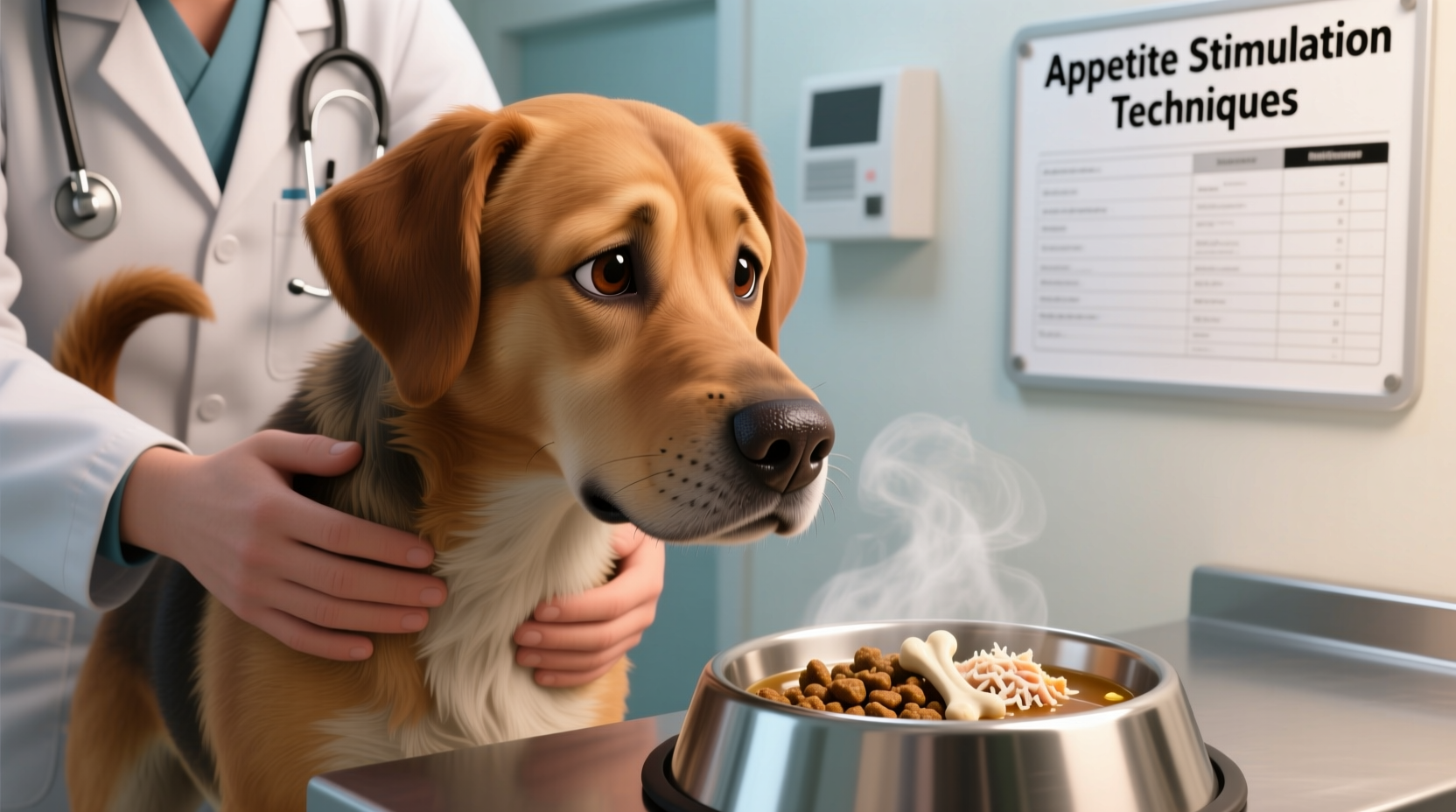
Before implementing feeding strategies, it's essential to understand why your dog isn’t eating. Appetite suppression can stem from medical conditions, environmental stressors, or dietary dissatisfaction. Common causes include dental pain, gastrointestinal upset, infections, medication side effects, anxiety, or recent changes in routine.
A sudden refusal to eat—especially when accompanied by vomiting, lethargy, diarrhea, or excessive drooling—warrants immediate veterinary consultation. Chronic or gradual loss of appetite may point to systemic issues such as kidney disease, liver dysfunction, or cancer, all of which require professional diagnosis.
“Anorexia in dogs is not a diagnosis but a symptom. Identifying the underlying cause is the first step toward effective treatment.” — Dr. Rebecca Nguyen, DVM, Board-Certified Veterinary Internal Medicine SpecialistTip: Monitor your dog’s behavior closely for 24 hours. Note any additional symptoms like pacing, lip-licking, or hiding, which may indicate nausea or discomfort.
Step-by-Step Guide to Reviving Your Dog’s Appetite
Once serious medical concerns are ruled out or managed, targeted feeding techniques can help reignite your dog’s natural hunger cues. Follow this timeline to reintroduce food effectively:
- Day 1: Rule Out Medical Causes – Schedule a vet visit if your dog hasn’t eaten for over 24 hours (or 12 hours for puppies).
- Day 2: Offer Bland, Highly Palatable Food – Try boiled chicken and white rice, or a prescription recovery diet recommended by your vet.
- Days 3–5: Introduce Variety and Warm Food – Gently warm meals to enhance aroma, or add low-sodium broth to increase appeal.
- Day 6+: Reintroduce Regular Diet Gradually – Mix increasing portions of regular kibble with the bland diet over 3–5 days.
- Ongoing: Monitor Weight and Energy Levels – Use a journal to track daily intake, stool quality, and activity.
Do’s and Don’ts When Encouraging a Reluctant Eater
| Do’s | Don’ts |
|---|---|
| Warm food slightly to intensify smell | Force-feed your dog |
| Offer small, frequent meals | Leave spoiled or stale food out for hours |
| Add safe toppers like plain pumpkin or bone broth | Give table scraps high in fat or seasoning |
| Maintain a consistent feeding schedule | Constantly switch foods without reason |
| Use puzzle feeders to stimulate interest | Panic or show anxiety during mealtimes |
Real-Life Example: Helping Max Regain His Appetite
Max, a 7-year-old Shih Tzu, stopped eating after his family returned from vacation. His owners initially assumed he was adjusting, but after 36 hours without food and noticeable lethargy, they consulted their vet. Blood work revealed mild dehydration and elevated liver enzymes. After receiving subcutaneous fluids and a liver-supportive diet, Max remained disinterested in food at home.
His owners implemented several strategies: warming canned food mixed with low-sodium chicken broth, hand-feeding small portions every three hours, and using a slow-feeder mat to make eating interactive. Within two days, Max began initiating meals on his own. By day five, he had returned to his regular kibble, and follow-up labs showed improvement in liver values. The combination of medical care and behavioral encouragement proved critical to his recovery.
Nutritional Enhancements and Safe Food Toppers
Enhancing the flavor and texture of your dog’s food can make a significant difference. However, not all additions are safe. Stick to vet-approved, easily digestible options that complement—not compromise—the nutritional balance of the meal.
- Pumpkin puree (not pie filling): Rich in fiber, helps soothe mild stomach upset.
- Low-sodium bone broth: Adds moisture and enticing aroma; supports gut health.
- Cooked lean meats: Chicken, turkey, or beef (unseasoned) can boost palatability.
- Plain yogurt (if lactose-tolerant): Provides probiotics to aid digestion.
- Scrambled egg (fully cooked): High in protein and easy to digest.
Environmental and Behavioral Adjustments
Dogs are sensitive to their surroundings. Stressful environments, loud noises, or competition from other pets can suppress appetite. Consider these adjustments:
- Feed in a quiet, familiar space away from foot traffic.
- Use elevated bowls for large breeds to reduce neck strain.
- Establish a fixed feeding schedule to build routine and anticipation.
- Minimize distractions during mealtimes—turn off TVs and keep other pets at a distance.
- Incorporate food puzzles or snuffle mats to engage natural foraging instincts.
For anxious dogs, try feeding during calm moments, such as after a walk or gentle grooming session. Positive reinforcement—like soft praise when they approach the bowl—can also help rebuild positive associations with eating.
When to Seek Veterinary Intervention
While home strategies are often effective, some situations require urgent medical attention. Contact your veterinarian immediately if your dog exhibits any of the following:
- No food intake for more than 24 hours (12 hours for puppies)
- Vomiting or diarrhea lasting over 24 hours
- Signs of abdominal pain (whining, bloating, reluctance to move)
- Excessive drooling or pawing at the mouth
- Sudden weight loss or muscle wasting
Your vet may recommend diagnostic tests—including blood panels, X-rays, or ultrasound—to identify hidden illnesses. In severe cases, appetite stimulants like mirtazapine or temporary feeding tubes may be necessary.
Frequently Asked Questions
Why won’t my dog eat dry food but will eat treats?
This often indicates oral discomfort, such as tooth decay or gum disease. Treats may be softer or more aromatic, making them easier or more appealing to consume. A dental exam is recommended.
Can stress really cause a dog to stop eating?
Yes. Dogs under stress—from travel, boarding, or household changes—may lose appetite temporarily. Creating a stable, comforting environment usually resolves the issue within a day or two.
Is it safe to mix wet and dry food to encourage eating?
Yes, mixing wet and dry food is generally safe and often increases palatability. Ensure both are nutritionally balanced and introduce gradually to avoid digestive upset.
Action Plan Checklist
Use this checklist to systematically address your dog’s appetite issues:
- ✅ Rule out emergencies: Check for vomiting, lethargy, or pain
- ✅ Schedule a vet visit if no eating within 24 hours
- ✅ Switch to a bland, easily digestible diet temporarily
- ✅ Warm food and add safe, aromatic toppers
- ✅ Feed smaller portions more frequently
- ✅ Create a calm, distraction-free feeding area
- ✅ Track food intake and symptoms daily
- ✅ Reintroduce regular food slowly after improvement
Conclusion
A dog refusing to eat requires both patience and proactive care. By combining veterinary guidance with strategic feeding practices, most dogs can regain their appetite and return to healthy eating habits. Never ignore prolonged anorexia—early intervention prevents complications. Small changes in food presentation, environment, and routine can make a profound difference. Your attentive care today supports your dog’s vitality and well-being tomorrow.
💬 Have a story about helping your dog eat again? Share your experience in the comments—your insight could help another pet owner in need.








