Fleas are more than just a nuisance—they can cause serious discomfort, allergic reactions, and even transmit diseases to your dog. Once they infest your pet or home, they’re notoriously difficult to eradicate. But with the right combination of immediate action, preventive measures, and environmental control, you can break the flea life cycle for good. This guide outlines practical, veterinarian-supported methods to eliminate fleas from your dog and create a lasting defense against future infestations.
Understanding the Flea Life Cycle
To effectively combat fleas, it’s essential to understand their biology. The average flea life cycle consists of four stages: egg, larva, pupa, and adult. A single female flea can lay up to 50 eggs per day, which fall off your dog into carpets, bedding, and furniture. These eggs hatch into larvae within a few days, then develop into pupae that can remain dormant for months before emerging as adults when conditions are favorable.
This means that treating your dog alone is not enough. If only adult fleas are eliminated, new ones will continue to emerge from the environment, restarting the infestation. Breaking this cycle requires simultaneous treatment of your pet, your home, and your yard.
Tip: Vacuum daily during an active infestation—this removes eggs, larvae, and stimulates pre-adult fleas to emerge so they can be killed by treatments.Immediate Steps to Eliminate Fleas on Your Dog
When you first notice fleas, act quickly to reduce the population and relieve your dog’s discomfort. Here’s a step-by-step approach:
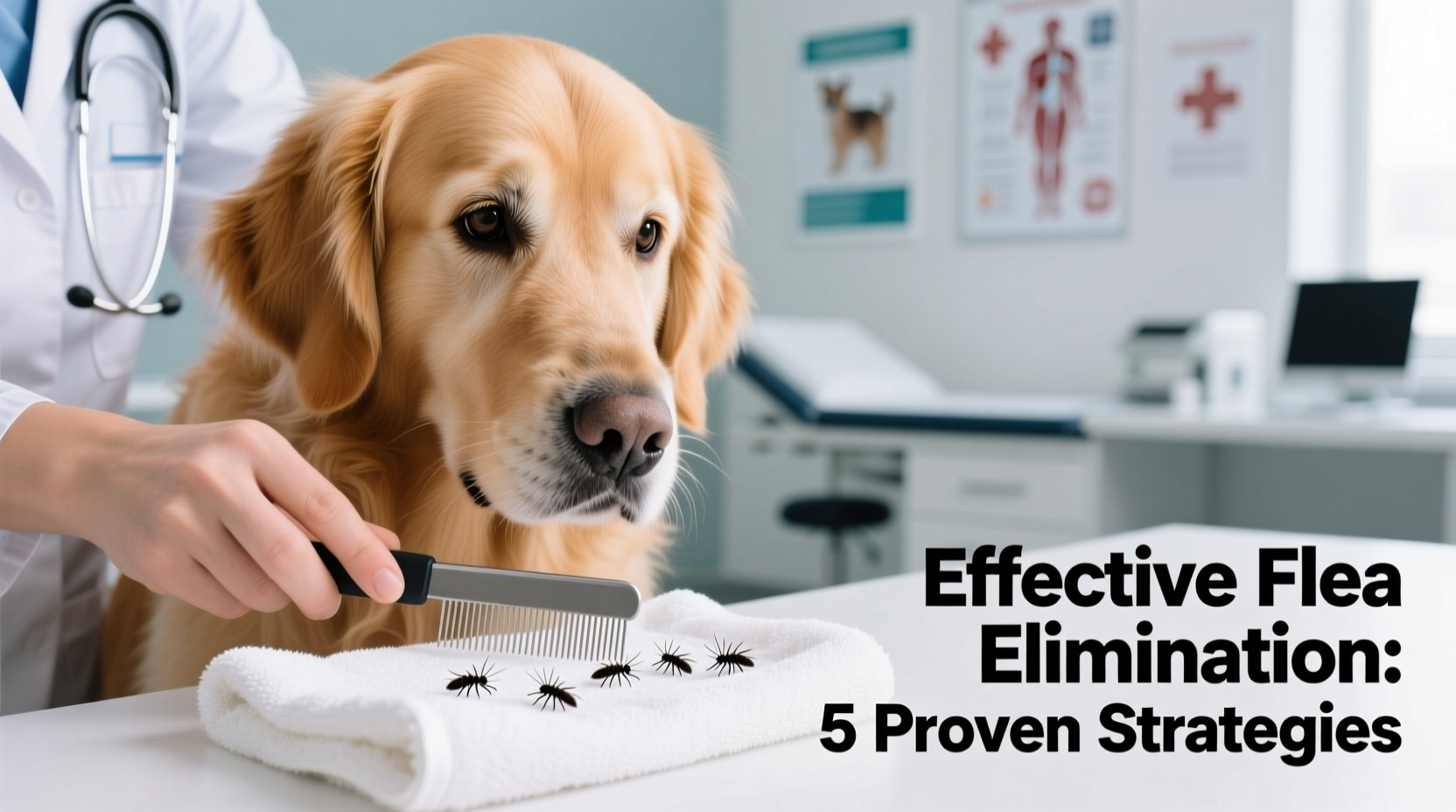
- Use a fine-tooth flea comb to physically remove adult fleas. Dip the comb in soapy water after each pass to kill the fleas.
- Bathe your dog with a gentle flea shampoo containing natural ingredients like pyrethrins or neem oil. Avoid over-the-counter products with harsh chemicals unless recommended by your vet.
- Apply a fast-acting topical or oral flea medication. Products like nitenpyram (Capstar) can kill adult fleas within 30 minutes. Follow up with a longer-lasting preventative.
- Treat all pets in the household, even if they show no signs of fleas. Fleas can jump and spread rapidly between animals.
It’s important to note that many over-the-counter flea treatments lack efficacy and may pose health risks. Always consult your veterinarian before starting any new medication.
Long-Term Prevention Strategies
Eliminating existing fleas is only half the battle. Preventing reinfestation requires consistent, year-round protection. Consider these proven strategies:
- Monthly flea preventatives: Choose vet-approved options such as oral medications (e.g., spinosad, afoxolaner) or topical treatments (e.g., selamectin, fipronil). These disrupt the flea life cycle by killing larvae and preventing reproduction.
- Flea collars with sustained release technology: Modern collars like Seresto provide up to eight months of protection and repel fleas before they bite.
- Regular grooming: Weekly brushing helps detect early signs of fleas and keeps your dog’s coat healthy, making it less hospitable to parasites.
- Seasonal yard treatment: Focus on shaded, moist areas where fleas thrive. Use insect growth regulators (IGRs) or natural nematodes to target outdoor populations.
“Fleas are resilient, but consistency is key. Monthly preventatives combined with environmental management offer the best defense.” — Dr. Laura Bennett, DVM, Parasitology Specialist
Environmental Control: Treating Your Home and Yard
Your home is likely harboring flea eggs, larvae, and pupae. Even if your dog is treated, untreated environments lead to recurring infestations. Follow this checklist to clean thoroughly:
Checklist: Flea-Proof Your Home- Vacuum carpets, rugs, and furniture daily for at least two weeks
- Wash all pet bedding in hot water weekly
- Steam clean upholstery and carpets to kill hidden larvae
- Use indoor flea sprays containing insect growth regulators (IGRs)
- Treat basements, garages, and under furniture—common flea hideouts
- Mow your lawn regularly and trim shrubs to reduce yard infestation risk
- Apply outdoor flea control products to shaded areas where pets frequent
| Treatment Type | Effectiveness | Duration | Best For |
|---|---|---|---|
| Oral Medication (e.g., NexGard) | High – kills fleas within hours | 30 days | Dogs prone to allergies or skin sensitivities |
| Topical Treatment (e.g., Frontline) | High – spreads across skin oil layer | 30 days | Multi-pet households |
| Flea Collar (e.g., Seresto) | Very High – repels and kills | 8 months | Dogs who swim or get bathed frequently |
| Natural Remedies (e.g., diatomaceous earth) | Low to Moderate – limited impact on adults | Variable | Supportive use only; not standalone solutions |
Real-World Example: Recovering From a Severe Infestation
Sarah, a dog owner in Portland, noticed her Golden Retriever, Max, was excessively scratching and losing patches of fur. A vet visit confirmed a severe flea allergy dermatitis. Despite using a store-bought flea spray, the problem persisted for weeks. After consulting her veterinarian, she implemented a comprehensive plan:
- Administered Capstar for immediate relief, followed by monthly NexGard
- Washed all bedding and vacuumed daily for three weeks
- Hired a professional pest control service to treat her home with IGRs
- Applied a nematode-based solution to her backyard
Within six weeks, Max’s itching stopped, his coat regrew, and no fleas were detected. Sarah now uses year-round prevention and conducts monthly checks with a flea comb—ensuring the problem never returns.
Frequently Asked Questions
Can humans get fleas from dogs?
Yes, fleas can bite humans, causing red, itchy bumps—usually around the ankles or lower legs. However, they don’t live or reproduce on human hosts. Immediate cleaning and treatment of pets and environment prevent continued bites.
Are natural remedies like apple cider vinegar effective?
No scientific evidence supports the effectiveness of apple cider vinegar, essential oils, or garlic in eliminating fleas. Some of these can even be toxic to dogs. Stick to veterinarian-approved treatments for safety and reliability.
How long does it take to completely get rid of fleas?
Complete elimination typically takes 3–8 weeks, depending on the severity of the infestation and consistency of treatment. Since pupae can remain dormant for months, ongoing prevention is critical even after visible fleas disappear.
Conclusion: Break the Cycle for Good
Getting rid of fleas isn’t a one-time task—it’s an ongoing process that combines prompt treatment, environmental hygiene, and consistent prevention. By understanding the flea life cycle and using targeted, safe solutions, you can protect your dog from discomfort and health risks. Don’t wait until summer or an outbreak occurs. Start today with a vet-recommended preventative and maintain a clean living space. Your dog deserves to live itch-free, and with the right strategy, you can keep fleas away for good.
💬 Have a flea-fighting tip that worked for your dog? Share your experience in the comments below and help other pet owners find lasting relief.








