
Cat urine odor beneath a home is more than an unpleasant nuisance—it can indicate deeper problems related to pet behavior, structural access points, or inadequate cleanup. When cats urinate under a house, often in crawl spaces or near foundation vents, the ammonia-rich waste soaks into wood, insulation, and soil, creating persistent odors that worsen over time. Left untreated, these smells can seep indoors, attract repeat marking, and even contribute to respiratory irritation. The solution requires more than surface-level cleaning; it demands targeted removal of organic residue, odor neutralization, and long-term deterrents. This guide outlines actionable, science-backed steps to eliminate existing odors and stop recurrence.
Understanding Why Cats Urinate Under Houses
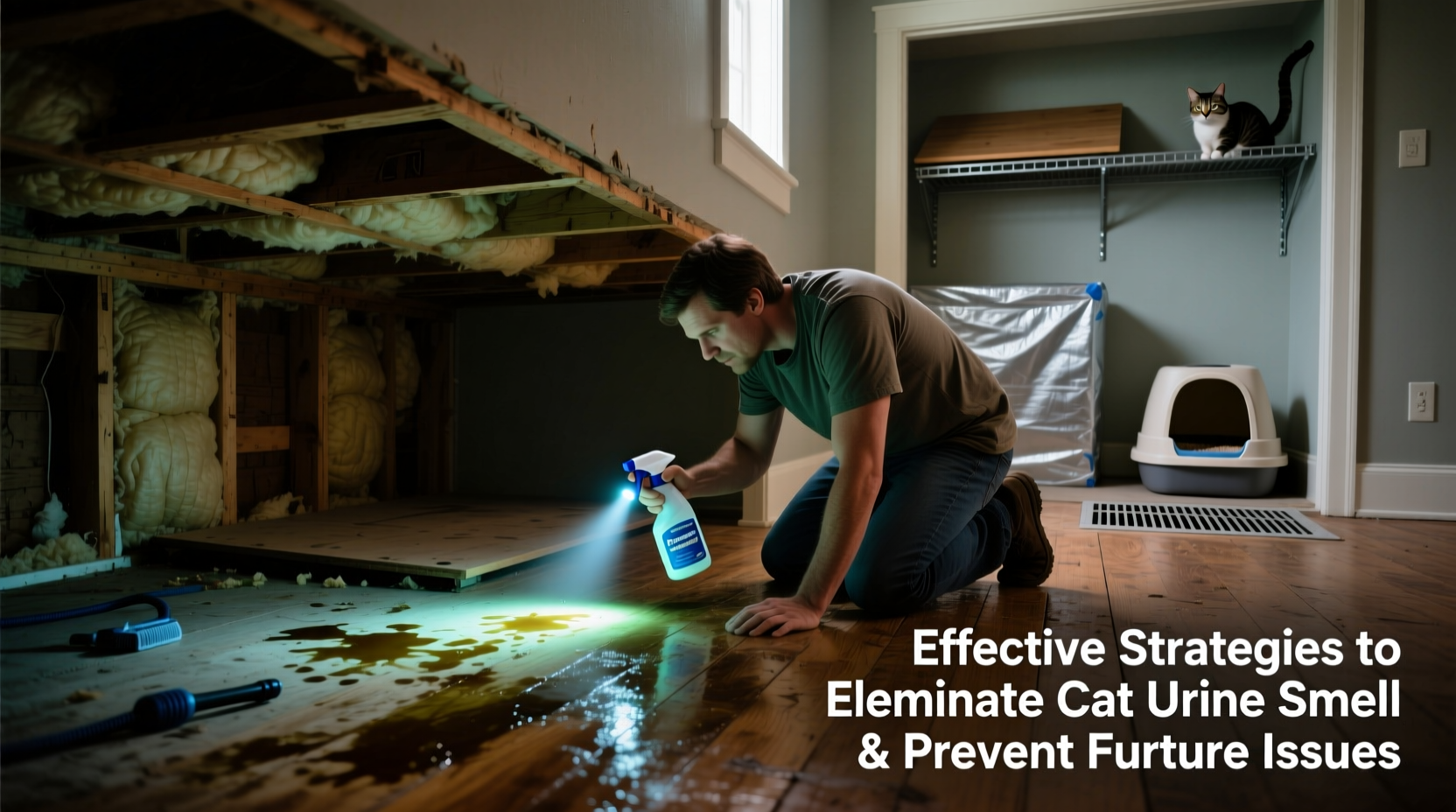
Cats don’t typically choose sub-house areas out of preference but due to environmental triggers. Feral or outdoor-access cats may use crawl spaces as sheltered latrines, especially if litter boxes are inaccessible or poorly maintained. Indoor cats escaping through open doors or unscreened vents may also relieve themselves underneath. Territorial spraying—more common in unneutered males—can occur near foundation openings where scent disperses widely. Additionally, stressed or anxious cats may avoid shared litter boxes and seek secluded spots, including shaded areas beneath homes.
The porous nature of concrete, wood, and soil allows urine to penetrate deeply. Bacteria break down urea into ammonia, which volatilizes and rises into living spaces, especially during warm weather or high humidity. Because traditional cleaners often fail to reach hidden deposits, recurring smells suggest incomplete remediation rather than new incidents.
Tip: Neutering male cats reduces territorial spraying by up to 90%, according to the American Society for the Prevention of Cruelty to Animals (ASPCA).Step-by-Step Guide to Eliminating Cat Urine Odor
Effective odor removal follows a logical sequence: locate contamination, remove physical residue, apply enzymatic treatment, neutralize lingering vapors, and seal affected surfaces. Skipping steps risks partial success.
- Inspect and Locate Source Areas: Use a blacklight flashlight in low light. Fresh or old urine stains glow bright yellow-green under UV light. Focus on crawl space entrances, near vents, under porches, and along foundation walls.
- Remove Contaminated Materials: Extract soaked insulation, cardboard, or wood debris. Double-bag and dispose of these materials to prevent recontamination.
- Clean Hard Surfaces: Scrub concrete or stone with a mixture of white vinegar and water (1:1 ratio) to neutralize alkaline salts. Rinse thoroughly.
- Apply Enzymatic Cleaner: Use a veterinary-grade enzyme product like Nature’s Miracle or Rocco & Roxie. These contain bacteria that digest uric acid crystals—the root cause of persistent odor. Saturate the area and allow 24–48 hours to dry without wiping.
- Treat Soil Areas: For exposed dirt under the house, sprinkle zeolite-based odor absorbers or agricultural lime to reduce moisture and pH levels that support bacterial odor production.
- Seal Porous Surfaces: After drying, apply a waterproof masonry sealer to concrete or a penetrating wood sealant to joists to lock in residual compounds.
“Enzymatic cleaners are essential—they break down the chemical structure of urine, not just mask the smell,” says Dr. Karen Sanders, DVM, board-certified veterinary behaviorist. “Without them, you’re only delaying the inevitable return of odor.”
Prevention Strategies to Stop Future Incidents
Eliminating the current odor is only half the battle. Preventing reoccurrence involves modifying both feline behavior and physical access.
- Install mesh screens over foundation vents using galvanized hardware cloth (¼-inch grid) to block entry while maintaining airflow.
- Secure all crawl space access points with childproof latches or screw-on panels.
- Maintain clean, accessible litter boxes—ideally one per floor plus an extra—in quiet, low-traffic zones.
- Use motion-activated deterrents such as ultrasonic repellers or sprinklers near potential entry zones.
- Provide outdoor cats with designated litter areas away from the house, filled with soft sand or non-clumping litter.
Do’s and Don’ts of Cat Urine Cleanup
| Do’s | Don’ts |
|---|---|
| Use enzymatic cleaners designed for pet urine | Use ammonia-based cleaners—they mimic urine scent and encourage re-marking |
| Wear gloves and a mask when handling contaminated materials | Ignore ventilation—always wear a respirator in confined crawl spaces |
| Allow full drying time after treatment (up to 48 hours) | Rely solely on baking soda or vinegar for deep-seated odors |
| Check local codes before sealing vents—some require minimum airflow | Block all airflow—this can lead to moisture buildup and mold |
Real-World Example: Resolving Chronic Odor in a Southern Crawl Space
A homeowner in North Carolina reported a strong urine smell rising through floorboards each summer. Initial attempts with bleach and carpet deodorizers failed. Upon inspection, a blacklight revealed extensive staining along the perimeter joists in the vented crawl space. A colony of neighborhood cats had been entering through two unsecured foundation vents.
The solution involved three phases: First, the vents were covered with ¼-inch steel mesh. Second, saturated fiberglass insulation was removed and replaced. Third, all wooden surfaces were sprayed with a commercial enzymatic solution and sealed with a vapor-barrier coating. Within six weeks, indoor air quality improved significantly, and no further odors were detected. Motion-activated cameras confirmed no animal re-entry over the next 10 months.
Essential Prevention Checklist
Use this checklist to ensure comprehensive protection against future cat urine issues:
- ✅ Inspect foundation vents and seal gaps larger than 1 inch
- ✅ Install durable mesh screens on all crawl space openings
- ✅ Remove leaf litter, debris, and hiding spots near the house perimeter
- ✅ Provide adequate litter boxes for indoor cats (number = cats + 1)
- ✅ Apply enzymatic cleaner monthly in previously affected zones as a preventive measure
- ✅ Monitor with a trail camera if stray cat activity is suspected
- ✅ Schedule biannual crawl space inspections, especially before seasonal temperature shifts
Frequently Asked Questions
Can I use steam cleaning under my house?
Steam cleaning is generally impractical in crawl spaces due to limited access and electrical hazards. It can also increase moisture, promoting mold. Enzymatic sprays are safer and more effective for sub-house applications.
How long does it take for cat urine smell to go away after cleaning?
With proper enzymatic treatment, most odors diminish within 72 hours. However, in humid climates or heavily contaminated areas, residual smells may linger for up to two weeks. Reapplication may be necessary for complete elimination.
Will painting over treated areas help lock in the smell?
Paint alone won’t seal odor-causing compounds. Only specialized primers like shellac-based Kilz Original or oil-based Bullseye 1-2-3 act as effective vapor barriers. Water-based paints will not block odor transmission.
Take Action Before Odors Return
Addressing cat urine under your house isn’t just about comfort—it’s about protecting your home’s air quality and structural integrity. Immediate cleanup with enzymatic solutions, combined with strategic exclusion and ongoing monitoring, creates a lasting defense. Whether you're dealing with a one-time incident or chronic intrusion, the key lies in thoroughness and consistency. Start with a detailed inspection, follow through with science-based treatments, and implement preventive barriers. Your efforts today will ensure fresher air, fewer headaches, and a healthier living environment tomorrow.
💬 Have experience removing stubborn pet odors from under your home? Share your insights below—your tip could help another homeowner breathe easier.








