
Cat ownership brings joy, companionship, and a certain level of mess. While cats are naturally clean animals, their waste, fur, and even saliva can contribute to persistent odors if not properly managed. Unlike temporary air fresheners that mask smells, true odor elimination requires understanding the source and applying targeted solutions. Whether you're dealing with litter box smells, urine accidents, or general household musk, this guide delivers practical, long-term strategies to maintain a fresh-smelling home—without compromising your cat’s comfort or health.
Understand the Source of Cat Odors
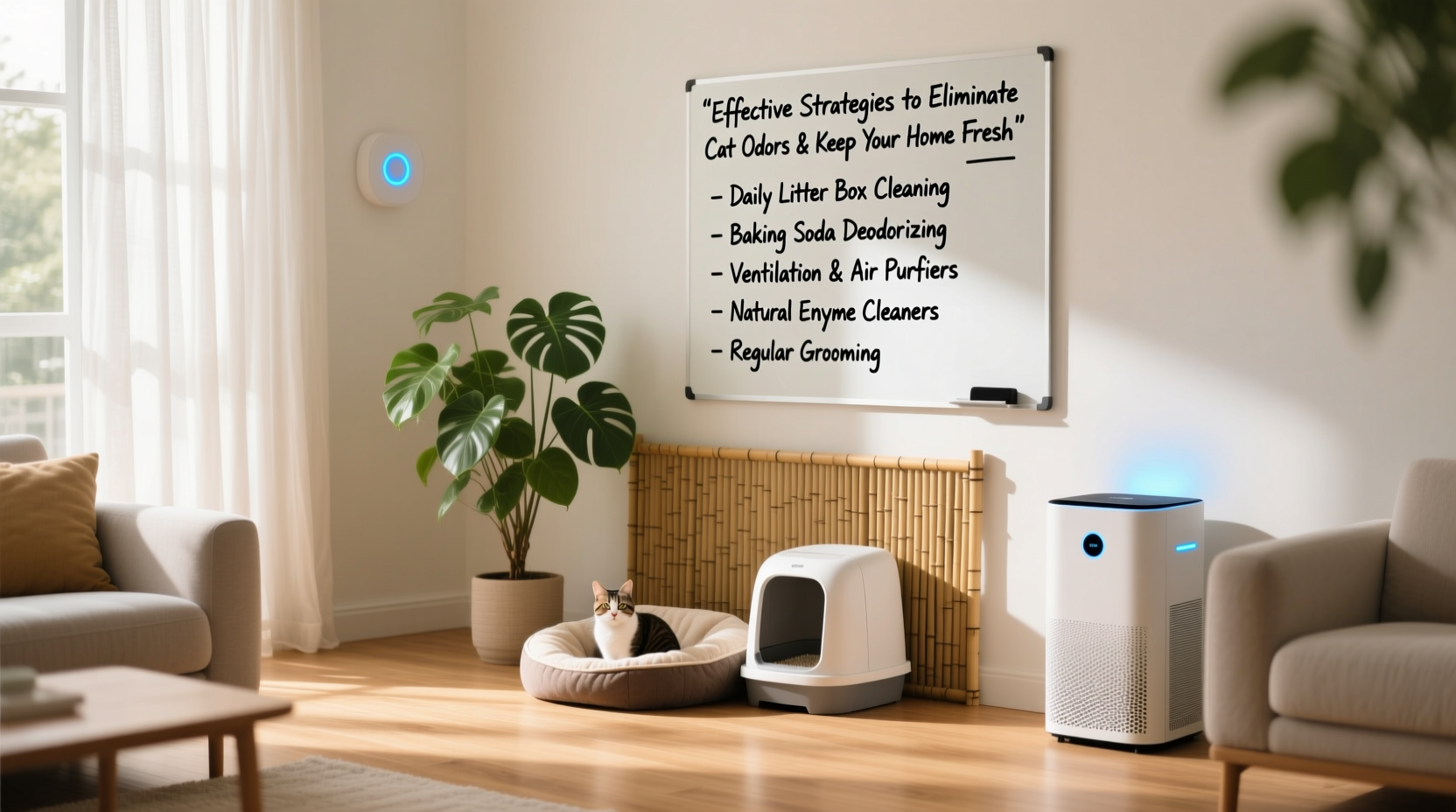
Before tackling odors, it's essential to identify their origin. Common sources include:
- Litter box buildup: Ammonia from decomposing urine and feces is the most frequent culprit.
- Urine marking or accidents: Cats may spray due to stress, medical issues, or territorial behavior.
- Wet or soiled bedding: Cat beds, blankets, and towels trap dander, oils, and moisture.
- Fur and skin oils: Especially in long-haired breeds, natural sebum can create a musky scent.
- Vomiting or regurgitation: Hairballs or dietary issues occasionally leave behind strong organic odors.
Addressing only surface-level smells without eliminating the root cause leads to recurring problems. For example, spraying air freshener over a urine stain may briefly improve air quality but won’t stop bacterial breakdown that produces ammonia.
Tip: Always investigate sudden changes in odor patterns—persistent bad smells could indicate underlying health issues like urinary tract infections.Choose the Right Litter and Maintain It Consistently
The litter box is ground zero for odor control. Even minor lapses in maintenance can result in noticeable smells within hours.
Opt for high-performance clumping litters made from natural materials like corn, wheat, or recycled paper. These tend to lock in moisture and neutralize odors better than clay-based alternatives. Fragranced litters should be used cautiously—many cats dislike strong scents, and artificial perfumes can irritate respiratory systems.
“Daily scooping isn’t optional—it’s non-negotiable for odor control.” — Dr. Lena Torres, Feline Behavior Specialist
Follow this routine for optimal results:
- Scoop solid waste and clumps at least once per day.
- Stir the litter weekly to prevent compaction and anaerobic bacteria growth.
- Completely replace litter every 3–4 weeks (or sooner if odor persists).
- Wash the box with mild soap and water during replacement; avoid bleach unless absolutely necessary, as residual fumes can deter cats from using the box.
Number of Litter Boxes: A Critical Factor
A common oversight is having too few boxes. The standard recommendation is one litter box per cat, plus one extra. This reduces competition and prevents avoidance behaviors that lead to inappropriate elimination.
| Cats in Household | Recommended Litter Boxes | Rationale |
|---|---|---|
| 1 | 2 | One for use, one as backup in case one is dirty or inaccessible |
| 2 | 3 | Reduces territorial disputes and ensures access |
| 3+ | 4+ | Prevents avoidance and maintains hygiene standards |
Neutralize Accidents with Enzymatic Cleaners
When accidents happen, how you clean them determines whether the smell returns. Traditional cleaners often fail because they don’t break down the organic compounds responsible for odor.
Enzymatic cleaners contain live bacteria that digest urea, uric acid, and other components of urine. They’re specifically formulated for pet messes and are far more effective than vinegar or baking soda alone.
Tip: Blot the area first with paper towels to absorb moisture before applying any cleaner—never rub, as it spreads the stain.Here’s a step-by-step guide for treating urine spots:
- Blot up excess liquid immediately.
- Apply enzymatic cleaner generously to saturate the area, including surrounding flooring or carpet padding.
- Cover with plastic wrap for 24 hours to prevent evaporation and allow enzymes to work.
- Allow to air dry naturally—do not use heat, which can set residues.
For older or recurring stains, repeat the process twice. In severe cases involving deep carpet padding or subfloor contamination, professional steam cleaning or replacement may be necessary.
Improve Air Quality Through Ventilation and Filtration
Even with diligent cleaning, airborne particles and volatile organic compounds (VOCs) can linger. Passive strategies like open windows help, but mechanical solutions offer consistent results.
Use HEPA air purifiers in rooms where your cat spends the most time. These filters capture fine particulates—including dander, dust, and odor-carrying molecules—at efficiencies exceeding 99.97%. Choose models with activated carbon layers, which adsorb gaseous pollutants like ammonia.
Additionally, ensure proper ventilation:
- Run bathroom exhaust fans after cleaning the litter box.
- Open windows daily when weather permits.
- Use ceiling fans to circulate air and reduce stagnant zones.
Mini Case Study: The Johnson Family’s Odor-Free Apartment
The Johnsons lived in a 750-square-foot urban apartment with two cats. Despite daily scooping, they struggled with a persistent ammonia smell near the bedroom door. After ruling out medical issues, they discovered their single litter box was tucked into a poorly ventilated closet.
They implemented three changes: moved the box to a well-ventilated hallway, added a second box on the opposite side of the apartment, and installed a compact HEPA + carbon filter nearby. Within a week, family members and guests reported the space smelled noticeably fresher. No additional sprays or deodorizers were needed.
Regular Grooming and Home Maintenance
Odor prevention extends beyond the litter box. Regular grooming reduces loose fur and skin oils that settle into furniture and carpets. Brush your cat 2–3 times per week, especially if long-haired. Use damp cloths or pet-safe wipes to gently clean paws and rear areas if needed.
Wash all cat-related fabrics weekly:
- Bedding
- Towels
- Couch covers
- Litter box mats
Use unscented, hypoallergenic laundry detergent to avoid irritating your cat’s skin. Dry items completely to prevent mildew, another common odor contributor.
Do’s and Don’ts of Cat Odor Management
| Do | Don't |
|---|---|
| Use enzymatic cleaners for biological messes | Use ammonia-based cleaners—they mimic urine and encourage re-soiling |
| Provide multiple litter boxes in large homes | Place all boxes in the same room or basement |
| Wash hands after handling litter | Ignore chronic bad odors—they may signal illness |
| Replace HVAC filters every 60–90 days | Use plug-in air fresheners with synthetic fragrances around cats |
Frequently Asked Questions
Can I use vinegar to clean cat urine?
Vinegar can help neutralize pH and temporarily reduce odor, but it doesn’t break down uric acid crystals. On its own, it’s insufficient for complete odor removal. Best used as a preliminary rinse before applying an enzymatic cleaner.
Why does my house still smell after cleaning?
If the odor persists, the source may be hidden—under furniture, inside walls, or beneath flooring. Enzymatic treatment may need to be repeated, or professional inspection required. Also, check if your cat is avoiding the box due to stress or medical conditions.
Are automatic litter boxes better for odor control?
Many self-cleaning boxes seal waste in covered compartments shortly after use, reducing exposure. However, they require regular maintenance and may not suit all cats. Some models emit periodic odors when dumping waste. Overall, they can help—but aren’t a substitute for good hygiene practices.
Final Steps Toward a Fresh, Healthy Home
Eliminating cat odors isn’t about covering them up—it’s about creating a system of prevention, prompt response, and ongoing care. By combining smart litter management, enzymatic cleaning, air filtration, and regular grooming, you can maintain a clean, inviting environment that both you and your cat enjoy.
Start small: pick one area to improve this week—whether it’s adding a second litter box, switching to an enzymatic cleaner, or running an air purifier. Consistency over time transforms habits into lasting results. A fresh-smelling home isn’t a luxury; it’s a sign of thoughtful, responsible pet ownership.
💬 Have a tip that worked wonders in your home? Share your experience in the comments—your insight could help another cat owner breathe easier tonight.








