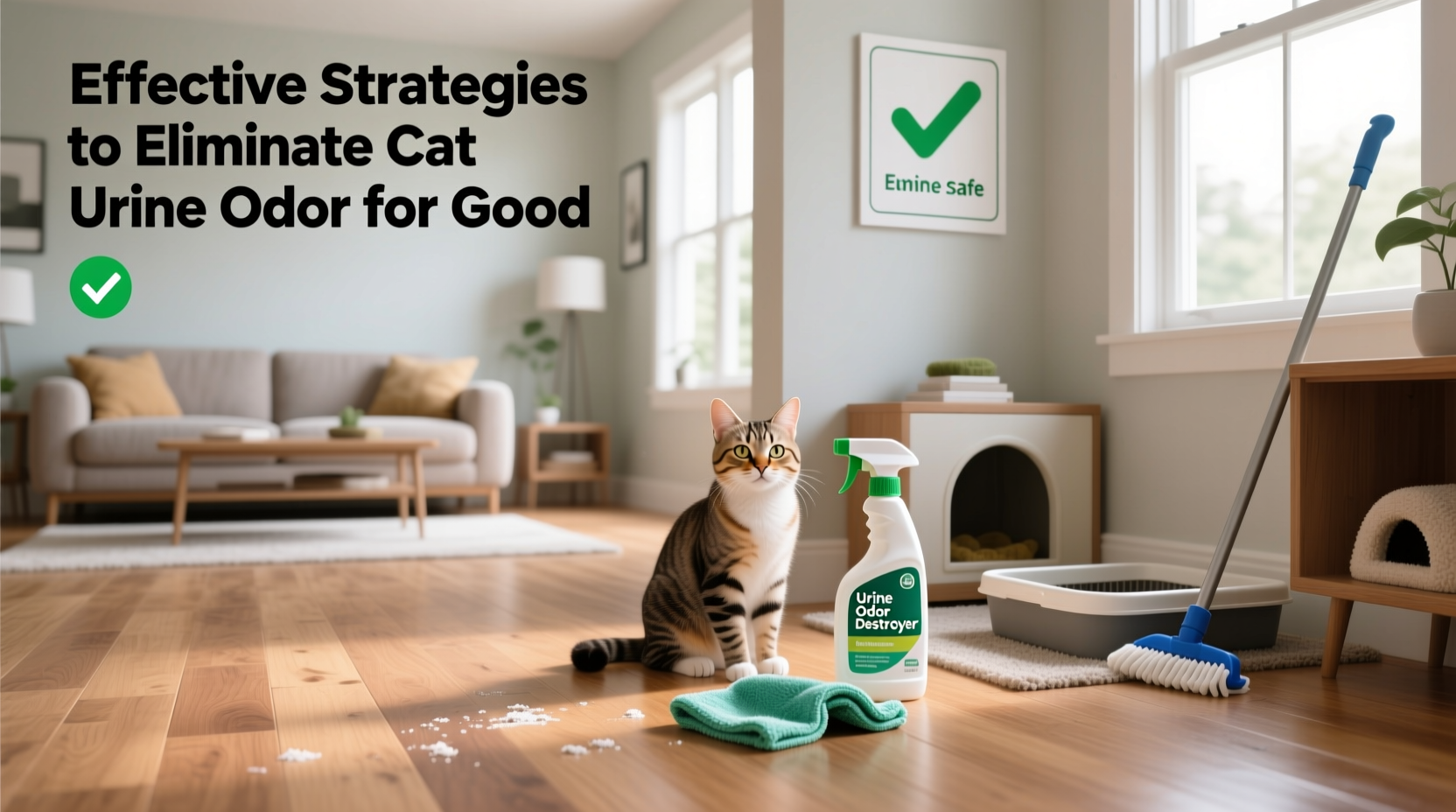
Cat urine odor is one of the most persistent and unpleasant household smells. Unlike surface stains, the compounds in cat urine—especially ammonia and uric acid—can penetrate deep into flooring, padding, and even walls. Standard cleaning products often fail because they mask the scent rather than destroy the source. To truly eliminate the problem, you need a systematic approach grounded in chemistry, biology, and environmental control. This guide outlines actionable, expert-approved methods that target not just the smell, but the root cause.
Why Cat Urine Odor Is So Persistent
Cat urine contains urea, urobilin, hormones, and uric acid. When bacteria break down urea, ammonia gas is released—this is the sharp smell most people recognize. However, uric acid crystals are the real culprit behind recurring odors. These crystals are insoluble in water and can remain dormant for months, reactivating when humidity rises or the area gets damp.
Most conventional cleaners like vinegar, baking soda, or bleach may temporarily reduce the smell but do not break down uric acid. In fact, bleach reacts with ammonia to produce toxic chloramine gas, making it dangerous and counterproductive.
“Enzyme-based cleaners are the only solution proven to break down uric acid at a molecular level.” — Dr. Linda Harper, Veterinary Microbiologist
The Step-by-Step Elimination Process
Removing cat urine odor permanently requires more than spot cleaning. It demands a sequence of actions that address both visible and invisible contamination.
- Locate all affected areas using a blacklight flashlight in a dark room. Fresh urine glows bright yellow-green; older stains may appear duller but still detectable.
- Blot up fresh residue with paper towels or a clean cloth. Press firmly to absorb as much liquid as possible without spreading.
- Apply an enzyme cleaner liberally to saturate the area. Do not dilute unless instructed. Enzymes need time and moisture to digest organic matter.
- Cover with plastic wrap for 6–12 hours to prevent evaporation and allow enzymes to work deeply.
- Air dry naturally. Avoid heat sources like hairdryers, which can bake odors deeper into fibers.
- Repeat if necessary, especially on carpets or upholstery where padding may still harbor residue.
Choosing the Right Cleaning Products
Not all “pet odor” removers are created equal. The key ingredient to look for is live enzyme cultures—specifically protease, urease, and amylase—which digest proteins and organic waste. Avoid products labeled “contains enzymes” if they list them far down the ingredients list; concentration matters.
| Product Type | Effective Against? | Long-Term Solution? | Risk Factors |
|---|---|---|---|
| Enzyme Cleaners | Uric acid, bacteria, odor-causing proteins | Yes – destroys source | None when used correctly |
| Vinegar & Baking Soda | Surface odor (temporary) | No – doesn’t reach crystals | May weaken fibers over time |
| Bleach | Disinfects surfaces | No – worsens air quality | Toxic fumes when mixed with ammonia |
| Fabric Sprays / Air Fresheners | Masks odor only | No – temporary cover-up | Can irritate pets and humans |
Advanced Remediation for Severe Cases
If urine has soaked through carpet into subflooring or drywall, surface treatment won’t suffice. Structural materials must be addressed to prevent regrowth of odor and mold.
- Carpet removal: For chronic soiling, remove and dispose of contaminated carpet and padding. Treat the subfloor with enzyme solution before installing new flooring.
- Drywall patching: If walls smell after cleaning, cut out affected drywall sections. Spray exposed studs with enzyme cleaner and replace with new drywall.
- Odor-neutralizing foggers: Use ozone generators or hydroxyl-based foggers in sealed rooms to neutralize airborne particles. Ozone is powerful but requires evacuation of people and pets during treatment.
Mini Case Study: Resolving Lingering Bathroom Smell
Sarah from Portland noticed a faint urine smell returning every few weeks near her bathroom baseboard—despite repeated cleaning. A blacklight inspection revealed multiple small spots along the grout line, likely from her older cat missing the litter box. She treated each spot with a high-concentration enzyme gel designed for grout penetration. After sealing the grout with a waterproof sealant, the odor never returned. The fix took three days but saved her from replacing tile or drywall.
Prevention Checklist: Stop Odors Before They Start
Eliminating existing odor is critical, but preventing recurrence protects your home long-term. Follow this checklist to minimize future incidents:
- Provide one litter box per cat, plus one extra, placed in quiet, accessible locations.
- Scoop daily and change litter completely every 2–3 weeks.
- Use unscented, clumping litter—fragrances can deter sensitive cats.
- Rule out medical issues if urination outside the box begins suddenly.
- Install washable pee pads under furniture legs or in known problem zones.
- Keep humidity below 50% with a dehumidifier to prevent odor reactivation.
- Wash pet bedding weekly in hot water with enzyme-safe detergent.
Frequently Asked Questions
Can I use hydrogen peroxide to clean cat urine?
Hydrogen peroxide can help disinfect and break down some organic matter, but it’s not a complete solution. It may lighten fabrics and damage certain surfaces. More importantly, it does not reliably destroy uric acid crystals. When used, mix 3% hydrogen peroxide with a teaspoon of dish soap and let sit for 10 minutes before blotting. Never mix with vinegar or bleach.
How long does it take for enzyme cleaners to work?
Most require 6 to 24 hours of contact time. Faster results occur in warm, humid environments where enzyme activity increases. Rushing the process by wiping too soon reduces effectiveness. Patience is essential—allow full dwell time before drying.
Will steam cleaning remove cat urine odor?
Steam cleaning alone can set the stain and odor permanently by bonding uric acid to fibers under heat. Only steam clean after thorough enzymatic treatment. Even then, avoid high heat on areas previously affected unless you’re certain the source is fully neutralized.
Final Thoughts: Make Your Home Odor-Free for Good
Eliminating cat urine odor isn't about finding a quick fix—it's about understanding the science behind the smell and applying consistent, informed solutions. From identifying hidden contamination with a blacklight to choosing enzyme-powered cleaners and modifying environmental conditions, each step builds toward lasting success. Structural repairs may seem daunting, but they’re often necessary for permanent relief. Once the source is gone, maintaining a clean, low-stress environment for your cat prevents relapse.
💬 Have a stubborn odor that won’t go away? Share your experience or ask for tailored advice in the comments—we’re here to help you reclaim your home.








