
Fleas are more than a nuisance—they’re a persistent threat to your cat’s health and your household’s comfort. These tiny parasites reproduce rapidly, survive in hidden corners, and can trigger allergies, anemia, and even transmit diseases. Treating the pet alone is rarely enough. To truly win the battle, you must launch a coordinated attack on fleas at every life stage: eggs, larvae, pupae, and adults. This comprehensive approach requires consistency, thoroughness, and knowledge of flea biology. The good news? With the right strategy, complete elimination and long-term prevention are entirely achievable.
Understanding the Flea Life Cycle
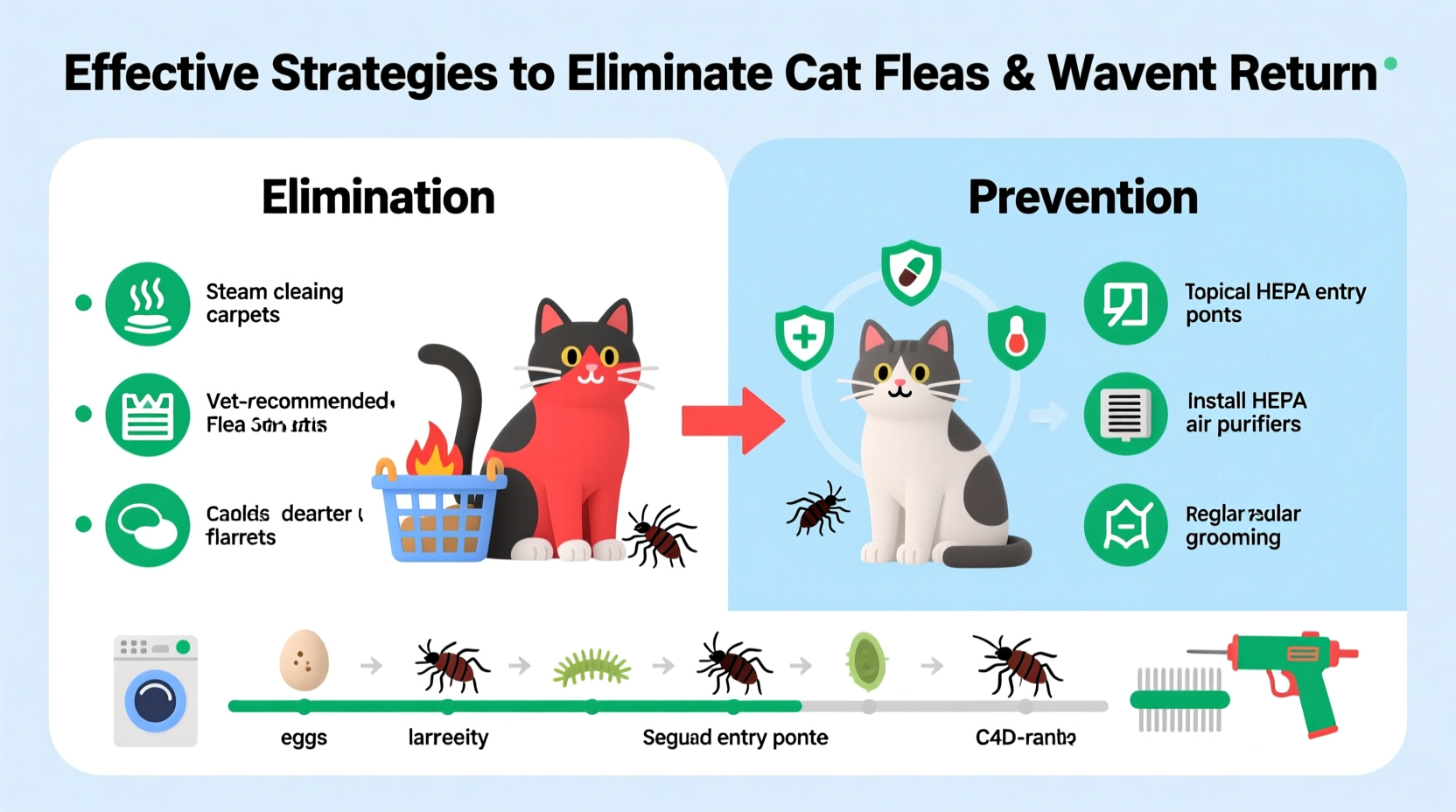
To defeat fleas, you must first understand them. The average flea life cycle spans 14 to 35 days but can extend up to several months under unfavorable conditions. It consists of four stages:
- Eggs: Laid on the host (your cat), but they fall off into carpets, furniture, and bedding. A single female flea can lay up to 50 eggs per day.
- Larvae: Hatch within 1–10 days and feed on organic debris and adult flea feces (often called \"flea dirt\"). They avoid light and burrow deep into fibers.
- Pupae: Larvae spin cocoons and enter the pupal stage, which is highly resistant to chemicals and environmental changes. Pupae can remain dormant for months, waiting for vibrations, heat, or CO₂ to signal a host’s presence.
- Adults: Emerge when a host is near, jump onto pets, and begin feeding and breeding within hours.
This lifecycle explains why one-time treatments fail. Killing adult fleas doesn’t stop the next generation from emerging weeks later. A holistic strategy must target all stages simultaneously and persistently.
Tip: Vacuum daily during treatment. This removes eggs, larvae, and stimulates pupae to emerge—making them vulnerable to insecticides.Step-by-Step Elimination Plan
Eliminating fleas isn’t a single action—it’s a timeline of coordinated efforts. Follow this 8-week protocol for best results:
- Week 1: Assess and Isolate
Inspect your cat closely, especially around the neck, tail, and abdomen. Use a flea comb to detect live fleas or flea dirt. Confirmed infestations require immediate action. Keep your cat indoors to prevent spreading fleas or picking up new ones. - Week 1–2: Treat Your Cat with Veterinary-Approved Products
Apply a topical or oral flea medication recommended by your vet. Options like selamectin, fluralaner, or spinosad kill adult fleas quickly and often prevent egg development. Never use dog-specific products on cats—they can be fatal. - Days 1–7: Deep Clean Your Home
Wash all bedding, blankets, and washable fabrics in hot water. Vacuum carpets, rugs, upholstery, baseboards, and under furniture daily. Immediately dispose of the vacuum bag or empty the canister into a sealed plastic bag and discard it outside. - Week 2: Apply Indoor Insect Growth Regulators (IGRs)
Use a spray containing an IGR like methoprene or pyriproxyfen. These disrupt flea development by preventing eggs from hatching and larvae from maturing. Target areas where your cat spends time: beneath furniture, along baseboards, and in floor crevices. - Week 4 and 6: Reapply Pet Treatment
Most monthly treatments need to be reapplied. This ensures any newly emerged adults are killed before they can lay eggs. - Week 8: Final Inspection and Maintenance
Check your cat again using a flea comb. Continue weekly vacuuming and monitor for signs of recurrence. Consider ongoing preventive treatment for your cat year-round, especially in warm climates.
Do’s and Don’ts: Common Mistakes That Sabotage Flea Control
| Do’s | Don’ts |
|---|---|
| Use veterinarian-recommended flea preventives consistently. | Use over-the-counter “natural” remedies without proven efficacy (e.g., essential oils, garlic). |
| Vacuum thoroughly and frequently during treatment. | Assume one treatment is enough—fleas rebound quickly. |
| Treat all pets in the household—even those that go outside only occasionally. | Mix different flea medications without veterinary guidance. |
| Wash pet bedding weekly in hot water. | Rely solely on foggers—they don’t penetrate carpets or upholstery where most immature fleas live. |
| Seal cracks and reduce clutter to minimize hiding spots. | Delay treatment due to mild symptoms—early intervention prevents explosion of populations. |
Expert Insight: Why Prevention Beats Reaction
“Fleas are not just a seasonal problem. In many homes, central heating allows year-round reproduction. The key to long-term success is consistent prevention, not crisis management.” — Dr. Lena Torres, DVM, Parasitology Specialist
Dr. Torres emphasizes that waiting until you see fleas means the infestation is already advanced. By the time adult fleas are visible on your cat, hundreds of eggs and larvae may already be developing in your environment. Monthly preventive medication breaks this cycle before it starts.
Real Example: How One Household Broke the Flea Cycle
The Ramirez family adopted a stray kitten in June. Within two weeks, their older cat began scratching excessively. They noticed small black specks in the fur—flea dirt. Initially, they tried a drugstore flea collar, but saw no improvement.
After consulting their vet, they implemented a full plan: both cats received prescription oral flea treatment, all carpets were steam-cleaned, and they began daily vacuuming. They applied an IGR spray to living areas and washed bedding twice weekly. For eight weeks, they stuck to the schedule without skipping doses.
By week six, no fleas were found. Today, nine months later, they continue monthly preventive treatment and report zero recurrences. Their experience underscores the importance of professional-grade solutions and persistence.
Essential Checklist for Flea Elimination
- ✔ Inspect your cat with a flea comb weekly
- ✔ Administer vet-approved flea medication monthly
- ✔ Vacuum carpets, furniture, and floors daily during active infestation
- ✔ Wash all pet bedding in hot water every 7–10 days
- ✔ Apply indoor insect growth regulator (IGR) to high-risk areas
- ✔ Treat all pets in the home—not just the visibly affected one
- ✔ Seal gaps in flooring and reduce clutter to limit flea habitats
- ✔ Schedule follow-up doses as directed (usually every 30 days)
- ✔ Monitor for signs of recurrence: scratching, flea dirt, or tiny black specks
- ✔ Maintain prevention year-round, especially in warm or humid climates
Frequently Asked Questions
Can fleas live on humans?
While cat fleas prefer animal hosts, they can bite humans—especially around ankles and lower legs. However, they do not typically live or reproduce on human skin. Bites usually appear as small, red, itchy bumps and resolve once the infestation is controlled.
Are natural remedies like diatomaceous earth effective?
Food-grade diatomaceous earth (DE) can kill fleas by dehydrating their exoskeletons, but its effectiveness is limited. It must be applied dry and directly contact fleas, which is difficult in carpet fibers. Inhalation risk to pets and humans makes it less ideal. DE should never replace veterinary treatments.
How long does it take to get rid of fleas completely?
A full elimination process takes at least 6–8 weeks due to the flea life cycle. Pupae can remain dormant for up to 5 months, so ongoing vigilance is critical. Consistent treatment and cleaning during this period are essential to break the cycle.
Final Steps: Sustaining a Flea-Free Home
Eliminating fleas is a significant achievement, but maintenance is what keeps them gone. Think of flea prevention like dental hygiene—regular effort prevents costly problems down the line. Continue monthly treatments on all pets, maintain clean bedding, and stay alert to early warning signs.
Investing in quality preventive care saves time, money, and stress. More importantly, it protects your cat from discomfort, allergic reactions, and potential illness. Flea control isn’t about reacting to outbreaks—it’s about creating an environment where fleas cannot survive.
💬 Ready to reclaim your home from fleas? Start today by scheduling a vet consultation and gathering your cleaning supplies. Share your success story or questions in the comments—your experience could help another pet owner win their own flea battle.








