
Walking a reactive dog can feel like navigating a minefield. One moment everything is calm, the next your dog is lunging, barking, or trembling at the sight of another dog, a passing cyclist, or even a rustling leaf. Reactivity isn’t defiance—it’s fear, overstimulation, or lack of socialization manifesting in intense behaviors. The good news? With patience, consistency, and science-backed techniques, you can transform tense walks into peaceful experiences. This guide outlines proven methods to help your dog regain confidence and walk calmly by your side.
Understanding Leash Reactivity: What’s Really Happening?
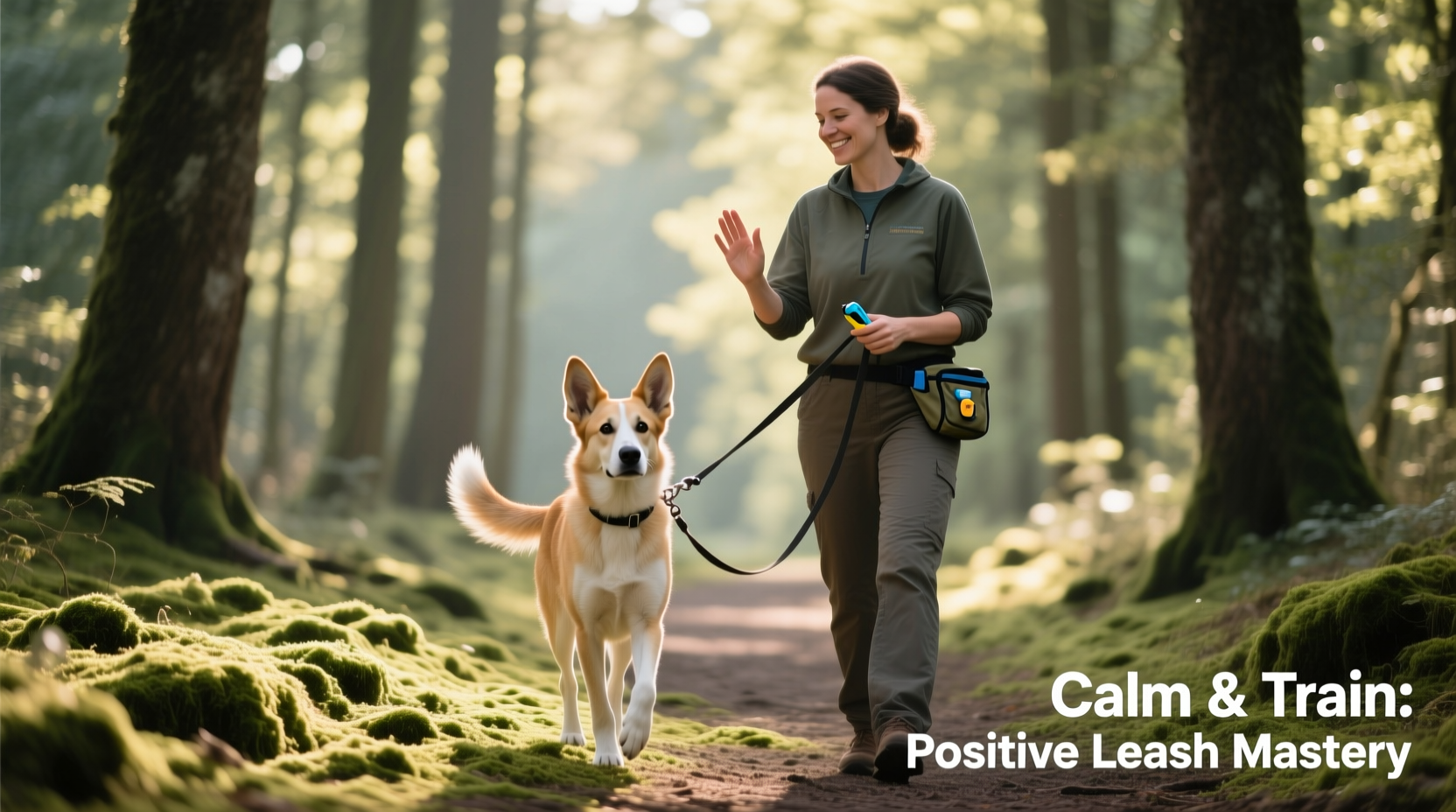
Reactivity on leash occurs when a dog feels threatened, excited, or overwhelmed but cannot escape due to being restrained. Unlike aggression, which involves intent to harm, reactivity is often rooted in anxiety or frustration. A dog may bark and lunge not because they want to attack, but because they’re trying to create distance from something they perceive as dangerous.
Common triggers include:
- Other dogs (especially off-leash ones)
- Strangers approaching
- Loud noises (buses, skateboards)
- Sudden movements
- Crowded sidewalks
The leash itself can worsen the issue—known as “leash frustration”—because it restricts natural responses like fleeing or investigating. Over time, unchecked reactivity can escalate, making everyday walks stressful for both dog and owner.
“Reactivity is a communication tool. Your dog isn’t misbehaving—they’re asking for help.” — Dr. Sophia Yin, Veterinary Behaviorist
Step-by-Step Training Approach: Building Calmness from the Ground Up
Effective training doesn’t begin on busy streets. It starts in low-distraction environments where your dog can succeed. Follow this structured timeline to build lasting progress.
- Baseline Observation: Identify your dog’s reactivity threshold—the distance at which they notice a trigger but don’t react. Note body language: stiff posture, whale eye, lip licking, or growling.
- Start Indoors or in Quiet Spaces: Practice focus exercises using high-value treats (e.g., boiled chicken or cheese). Say your dog’s name and reward attention within one second.
- Introduce Triggers at Safe Distance: At the edge of their threshold, show a trigger (e.g., have a friend walk a dog 50 feet away). Reward calm behavior immediately. This is called “counter-conditioning.”
- Increase Difficulty Gradually: As your dog stays relaxed, slowly decrease distance or increase trigger intensity. Never rush this process.
- Add the ‘Look at That’ Game: Teach your dog to look at a trigger, then back at you, for a treat. This redirects focus and builds positive associations.
- Practice Loose-Leash Walking: Use a front-clip harness and change direction when tension arises. Reward walking beside you with frequent treats.
Essential Tools and Techniques for Success
While training is behavioral, the right equipment supports better outcomes. Not all gear suits every dog, so choose wisely.
| Tool | Purpose | Best For | Caution |
|---|---|---|---|
| Front-Clip Harness | Redirects pulling force to the dog’s side | Dogs that lunge or pull | Avoid if dog has spinal issues |
| Head Halter (e.g., Gentle Leader) | Controls head movement gently | Strong pullers with no neck injuries | Must be fitted correctly; introduce slowly |
| Standard 6-Foot Leash | Predictable length for control | Most training scenarios | Avoid retractable leashes—they encourage pulling |
| High-Value Treat Pouch | Quick access to motivating rewards | All stages of training | Use soft, smelly treats for faster consumption |
Pair tools with technique: never rely solely on equipment to fix behavior. Positive reinforcement remains the cornerstone of long-term success.
Real Example: Transforming Max, the Fearful Terrier
Max, a 3-year-old Jack Russell Terrier, would bark and lunge at any dog within 30 feet. His owner, Lisa, avoided walks altogether. Working with a certified trainer, they began by practicing near an empty park during off-hours. Using chicken and the “Look at That” game, Max learned to associate distant dogs with treats. After two weeks, he could remain calm at 40 feet. Over three months, Lisa gradually introduced busier paths. Today, Max walks confidently through neighborhoods, occasionally glancing at other dogs before turning to her for a treat. Progress wasn’t linear—rainy days or unexpected squirrels caused setbacks—but consistency paid off.
Common Mistakes That Hinder Progress
Even well-intentioned owners can unintentionally reinforce reactivity. Avoid these pitfalls:
- Punishing Reactivity: Yanking the leash or scolding increases fear and teaches the dog that triggers are dangerous.
- Overexposure: Pushing your dog too close to triggers leads to “flooding,” which damages trust and delays learning.
- Inconsistent Rewards: Only treating after a reaction starts reinforces the outburst. Reward calmness *before* escalation.
- Skipping Management: Allowing daily uncontrolled exposure to triggers undermines training. Use U-turns or block views with your body when needed.
Checklist: Daily Practices for a Calmer Walk
Follow this checklist to reinforce progress and reduce stress:
- ✅ Use a front-clip harness or properly fitted head halter
- ✅ Bring high-value treats on every walk
- ✅ Start walks in low-traffic areas when possible
- ✅ Scan the environment for potential triggers ahead of time
- ✅ Reward your dog for checking in with you (eye contact)
- ✅ Turn around or cross the street if a trigger appears too soon
- ✅ End the walk on a positive note, even if shortened
- ✅ Practice 5–10 minutes of focus work before leaving the house
Frequently Asked Questions
How long does it take to train a reactive dog?
There’s no fixed timeline. Some dogs show improvement in a few weeks; others require several months. Consistency, proper technique, and managing expectations are key. Significant progress is typically seen within 8–12 weeks of dedicated training.
Can older dogs learn to stop being reactive?
Absolutely. Age doesn’t prevent learning. While puppies are more adaptable, adult and senior dogs can still form new associations and improve behavior with patient, reward-based training.
Should I let my reactive dog greet other dogs on walks?
Generally, no. On-leash greetings are stressful and can escalate tension. Off-leash play in controlled environments (like fenced dog parks or playdates) is safer and more enjoyable for most dogs.
Final Thoughts: Patience, Progress, and Partnership
Training a reactive dog isn’t about achieving perfection—it’s about building resilience, trust, and mutual understanding. Every small victory, from a deep breath at the sight of a distant dog to a quiet pause at a crosswalk, is a step forward. Celebrate those moments. Your dog isn’t giving you a hard time; they’re having a hard time. By meeting them with empathy and structure, you’re not just teaching obedience—you’re restoring their sense of safety.
💬 Have a reactive dog? Share your journey or ask questions in the comments. Your experience could inspire another pet parent on the same path.








