Dog toys are often viewed as simple tools for entertainment, but their potential extends far beyond keeping a pet busy. When used strategically, dog toys can become powerful instruments in shaping behavior, reinforcing learning, and strengthening the bond between dog and owner. From improving focus during training sessions to redirecting destructive chewing, the right toy at the right time can transform everyday interactions into meaningful developmental opportunities. Understanding how to leverage different types of toys—tug, puzzle, fetch, and chew—can elevate your training approach from reactive to proactive.
The Role of Toys in Canine Learning
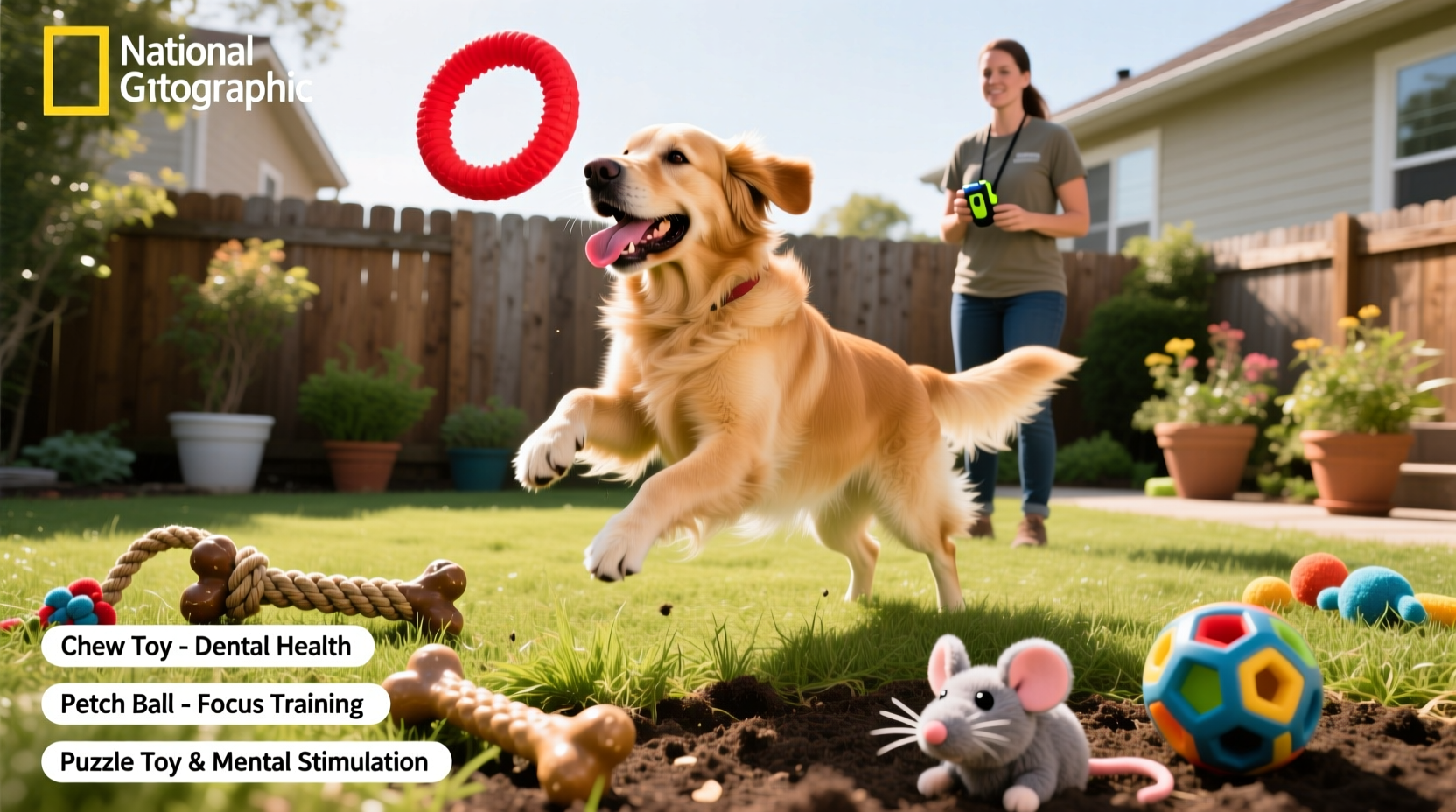
Dogs learn through repetition, reinforcement, and engagement. Toys serve as both rewards and cognitive challenges, making them ideal tools for positive reinforcement training. Unlike food treats, which satisfy only one sense, toys stimulate multiple senses—touch, smell, sound, and movement—activating the brain more dynamically. This multisensory input enhances memory retention and motivation, particularly in high-energy or working breeds that thrive on mental stimulation.
Behavioral scientists have long recognized play as a form of social learning. During interactive play with toys, dogs practice impulse control, communication, and problem-solving. For example, waiting for a release cue before chasing a ball teaches self-regulation. Similarly, solving a puzzle toy reinforces persistence and focus—skills that transfer directly to obedience tasks.
Tip: Always pair toy-based rewards with verbal praise or a marker word like “Yes!” to strengthen the association between behavior and outcome.Selecting the Right Toy for the Training Goal
Not all toys are created equal when it comes to training. The effectiveness of a toy depends on its alignment with the dog’s temperament, energy level, and the specific skill being taught. Below is a comparison of common toy types and their best training applications.
| Toy Type | Best For | Avoid If |
|---|---|---|
| Puzzle/Interactive Toys | Mental stimulation, reducing anxiety, teaching problem-solving | Dog shows frustration easily or destroys objects aggressively |
| Tug Toys | Building drive, teaching bite inhibition, reinforcing recall | Dog has resource guarding issues or poor impulse control |
| Flyers/Ball Launchers | Recall training, impulse control, high-energy outlets | Dog has joint issues or obsessive chasing tendencies |
| Chew Toys | Redirecting destructive chewing, calming anxious dogs | Dog swallows pieces or chokes easily |
| Squeaky Toys | Engaging reluctant learners, building prey drive | Dog becomes overstimulated or aggressive toward sounds |
“Play is not the opposite of learning—it’s one of the most effective ways dogs learn complex behaviors.” — Dr. Sophia Yin, Veterinary Behaviorist
Step-by-Step: Integrating Toys into Daily Training
Using toys effectively requires structure. A consistent routine ensures that playtime supports, rather than undermines, behavioral goals. Follow this five-step process to incorporate toys into your training plan:
- Assess Your Dog’s Motivations: Observe what excites your dog most—chasing, tugging, or solving puzzles. Use this as your primary reward category.
- Choose One Skill Per Session: Focus on a single command (e.g., “sit,” “stay,” or “leave it”) and use the toy as a reward only after correct execution.
- Control Access: Keep toys out of reach outside of training or designated playtimes. This increases their value and prevents habituation.
- Use Clear Cues: Pair toy release with verbal commands like “Take it” and “Drop it.” This builds impulse control and reinforces listening.
- End on a Positive Note: Finish each session with a successful exchange—such as a drop-it followed by praise and return of the toy—to reinforce cooperation.
Real Example: Redirecting Destructive Chewing in a Puppy
Max, a 5-month-old Labrador Retriever, was consistently chewing furniture and shoes despite crate training. His owner tried scolding and confinement, but the behavior persisted. A trainer recommended a structured toy-reward system focused on redirection and positive reinforcement.
The strategy involved placing durable rubber chew toys near areas Max typically targeted. Whenever he approached a shoe, his owner calmly redirected him to a toy and praised him lavishly upon engagement. Over two weeks, Max began choosing the toy independently. The owner also introduced a frozen KONG filled with peanut butter during high-anxiety periods (like when left alone), which kept him occupied and reduced stress-related chewing.
Within a month, destructive chewing dropped by over 90%. The key was consistency and pairing the appropriate toy with the right emotional state—calming for anxiety, engaging for boredom.
Common Mistakes That Undermine Toy-Based Training
- Overuse of Toys: Allowing constant access diminishes their value as rewards.
- Unstructured Play: Tug-of-war without rules can encourage dominance if not managed with clear start/stop cues.
- Mismatched Toy Choice: Giving a hyperactive dog a squeaky toy before bedtime may increase arousal instead of calming.
- Ignoring Body Language: Pushing play when a dog is tired or stressed leads to irritability or avoidance.
- Using Toys to Replace Training: Play should complement—not substitute—for structured learning.
Checklist: Optimizing Toy Use for Behavior Improvement
Use this checklist to ensure you’re maximizing the training potential of your dog’s toys:
- ✅ Identify your dog’s preferred toy type (tug, fetch, puzzle, chew)
- ✅ Limit toy access to training or scheduled play sessions
- ✅ Use toys as rewards only after desired behavior is performed
- ✅ Teach and enforce “drop it” and “leave it” commands during play
- ✅ Rotate 3–4 toys weekly to maintain interest
- ✅ Match toy type to context (e.g., calming chew toys for downtime, fetch toys for exercise)
- ✅ Monitor for signs of overstimulation or possessiveness
- ✅ Clean toys regularly to prevent bacterial buildup
FAQ
Can I use toys instead of treats for training?
Yes, especially for dogs highly motivated by play. However, toys work best for active behaviors (like recalls or retrieves), while treats are often more efficient for stationary commands (like “sit” or “stay”). A balanced approach using both is ideal.
My dog gets too excited during tug games. How can I keep it controlled?
Set clear rules: initiate play only after your dog sits, use a release word like “out,” and pause if mouthing or jumping occurs. Short, structured sessions teach that calm behavior leads to continued play.
Are puzzle toys suitable for all dogs?
Most dogs benefit from puzzle toys, but difficulty should match ability. Start with simple models for beginners and gradually increase complexity. Supervise initially to prevent frustration or destruction.
Conclusion
Toys are not just distractions—they are dynamic tools that shape how dogs think, behave, and respond to their environment. When integrated thoughtfully into training, they build confidence, reinforce discipline, and deepen the human-canine connection. The key lies in intentionality: choosing the right toy, applying it at the right moment, and aligning play with clear behavioral goals. Whether you're shaping a puppy’s first commands or refining an adult dog’s focus, strategic toy use offers a joyful path to lasting improvement.
🚀 Start today: Pick one training goal and select a toy that aligns with it. Practice one short, focused session using the steps outlined here—and watch how play transforms into progress.








