Dogs thrive on mental stimulation and physical activity, and toys are one of the most accessible tools to support both. However, simply buying a new toy and placing it in front of your dog doesn’t guarantee interest or long-term engagement. Many pets lose interest quickly or ignore new items altogether. The key lies not just in choosing the right toy—but in how you introduce it. Thoughtful, strategic introduction can transform a forgotten chew toy into a beloved favorite, enriching your dog’s daily life and strengthening your bond.
Understand Your Dog’s Play Style
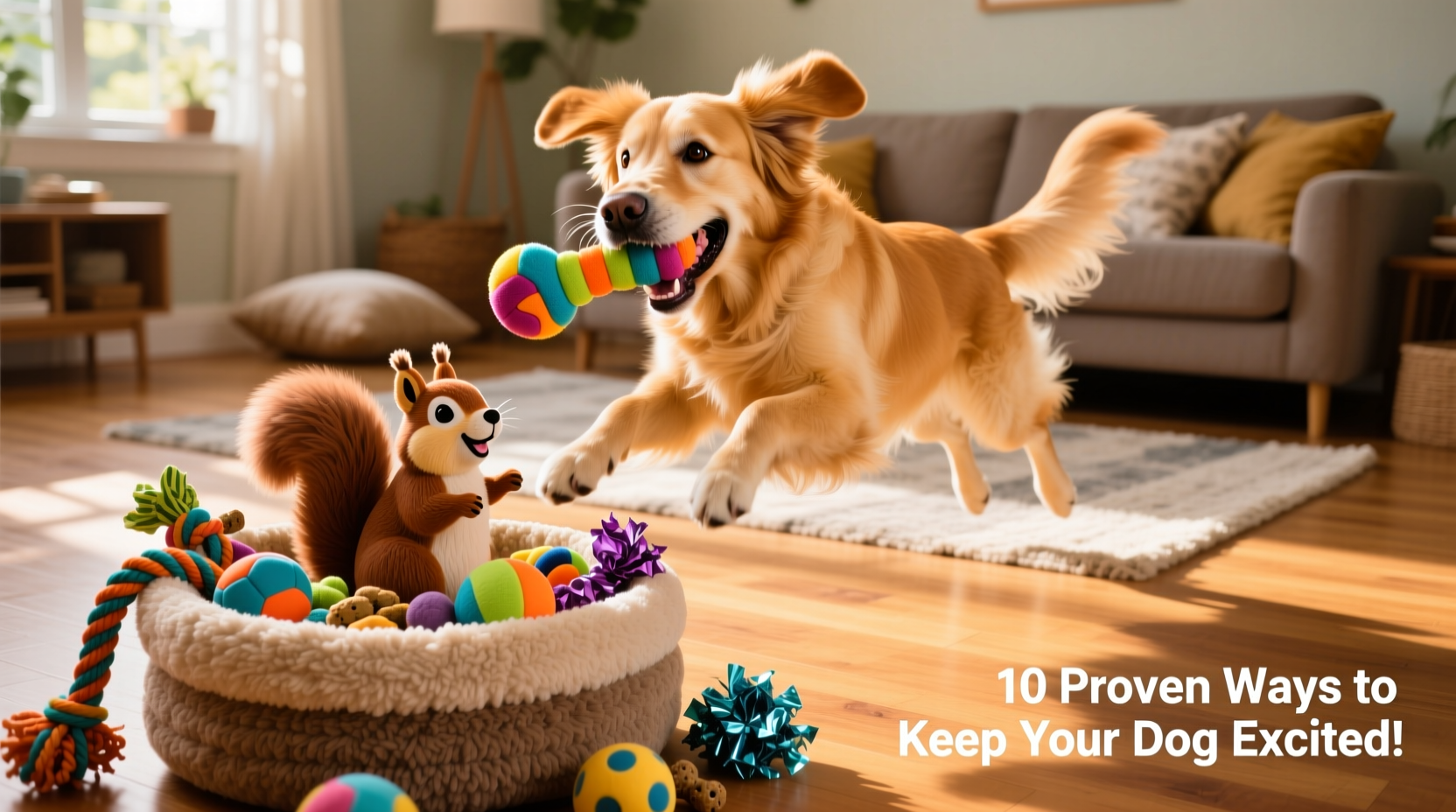
Before selecting or presenting a new toy, observe your dog’s natural play preferences. Some dogs are relentless fetchers who live for balls and frisbees. Others are methodical chewers who prefer durable rubber toys. Still others are problem-solvers drawn to puzzle toys that dispense treats. Matching the toy to your dog’s instinctual behavior increases the likelihood of immediate engagement.
Consider these common play styles:
- Chasers/Retrievers: Enjoy fast-moving objects and games of fetch.
- Chewers: Seek out firm textures and derive comfort from gnawing.
- Foragers: Love using their nose and mind to “hunt” for hidden rewards.
- Shakers/Tossers: Mimic prey-killing behaviors by shaking or flinging toys.
Step-by-Step Introduction Process
Rushing the introduction of a new toy often leads to disinterest. A gradual, engaging rollout builds curiosity and positive association. Follow this five-step timeline for best results:
- Day 1 – Scent Introduction: Place the new toy near your dog’s bed or feeding area without drawing attention. Let them investigate at their own pace. If the toy is treat-dispensing, rub a bit of peanut butter inside to encourage sniffing.
- Day 2 – Controlled Exposure: Bring out the toy during a calm moment. Toss it gently a short distance if it’s a fetch toy, or roll it slowly toward your dog. Avoid forcing interaction.
- Day 3 – Interactive Play: Engage directly. Wiggle a plush toy like prey, bounce a ball enthusiastically, or demonstrate how a puzzle toy works with treats. Your energy sets the tone.
- Day 4 – Reward Association: Pair the toy with high-value rewards. For example, let your dog “earn” a piece of chicken after successfully retrieving the toy or solving a puzzle.
- Day 5 – Independent Play: Leave the toy accessible during alone time. Monitor whether your dog chooses to use it voluntarily—a sign of genuine interest.
This phased approach respects your dog’s learning curve and prevents sensory overload.
Toy Rotation System for Sustained Engagement
Dogs, like humans, experience novelty fatigue. When too many toys are available at once, they tend to cycle through them rapidly without forming strong attachments. A structured rotation system keeps toys feeling fresh and exciting.
Create three sets of toys based on function:
| Toy Set | Purpose | Examples |
|---|---|---|
| Set A – Active Play | Physical exercise and bonding | Tennis balls, tug ropes, flirt poles |
| Set B – Mental Stimulation | Cognitive challenges | Interactive puzzles, snuffle mats, treat mazes |
| Set C – Comfort & Chewing | Calming solo activity | Kong toys, dental chews, soft plush companions |
Rotate one set every 5–7 days. Store unused toys out of sight to preserve novelty. This simple system can extend the lifespan of each toy’s appeal by weeks or even months.
Common Mistakes to Avoid
Even well-intentioned owners can undermine toy success with counterproductive habits. Be mindful of these pitfalls:
- Overloading with options: Too many toys at once reduce value perception.
- Ignoring safety: Small parts, loose stuffing, or weak seams can pose choking hazards.
- Using toys as distractions during anxiety: Toys should enhance calmness, not mask stress.
- Neglecting hygiene: Dirty toys may be rejected; wash plush toys weekly and sanitize rubber ones monthly.
“Dogs form emotional bonds with their toys, much like children with stuffed animals. Respect that connection by introducing items thoughtfully.” — Dr. Lena Reyes, Veterinary Ethologist
Real Example: Reviving a Disengaged Senior Dog
Baxter, a 9-year-old Labrador, had become increasingly sedentary after his owner retired and stopped taking long walks. His once-favorite tennis ball gathered dust. Concerned about cognitive decline, his owner consulted a canine behaviorist who recommended a reintroduction strategy.
Instead of discarding the old ball, she wrapped it in a crinkly fabric sleeve—adding auditory novelty—and paired it with short indoor rolls followed by praise and cheese bits. She introduced a scent-based puzzle mat the following week, hiding kibble in its folds. Within two weeks, Baxter was actively seeking out both toys. The gradual reintroduction didn’t just renew interest—it reignited his enthusiasm for play.
This case illustrates that age or past disinterest doesn’t mean a dog is beyond engagement. It often just requires a smarter approach.
Checklist: Successful Toy Introduction
Use this checklist before launching any new toy:
- ✅ Assess your dog’s current play preferences
- ✅ Choose a toy aligned with their instincts (chew, fetch, solve)
- ✅ Inspect for safety (no small detachable parts, non-toxic materials)
- ✅ Introduce silently first, allowing independent investigation
- ✅ Demonstrate use with enthusiasm and positive reinforcement
- ✅ Pair with high-value treats during initial sessions
- ✅ Limit access initially to build desire
- ✅ Add to rotation schedule, not permanent free access
Frequently Asked Questions
How do I know if my dog likes a new toy?
Signs of genuine interest include carrying the toy around, initiating play with it, chewing or licking it when relaxed, or guarding it gently. If your dog ignores it after a week despite proper introduction, it may not match their play style.
Can I introduce multiple toys at once?
It’s better to introduce one at a time, especially for shy or easily overwhelmed dogs. If introducing more than one, ensure they serve different purposes (e.g., one chew toy and one puzzle) to avoid confusion.
My dog destroys toys quickly—what should I do?
Heavy chewers need durable, vet-approved options like rubber Kongs or nylon bones. Supervise playtime and remove the toy once active chewing ends to prevent ingestion of fragments. Consider rotating in “indestructible” toys gradually to assess tolerance.
Conclusion: Build Joy Through Intentional Play
Introducing new dog toys isn’t just about novelty—it’s about nurturing your dog’s mental health, physical well-being, and emotional fulfillment. By understanding their preferences, pacing the introduction, and maintaining variety through rotation, you create an environment where play feels rewarding and meaningful. These strategies go beyond entertainment; they foster confidence, reduce boredom-related behaviors, and deepen trust between you and your pet.
💬 Have a toy introduction success story? Share your experience in the comments and inspire other pet owners to engage their dogs more effectively!








