Leash training is more than just attaching a collar and walking out the door. It’s about building communication, reinforcing trust, and creating a shared rhythm between you and your dog. While many online guides offer surface-level advice—“use treats,” “be consistent”—they often skip the nuances that determine real success. This guide dives deeper into the behavioral psychology, timing, and environmental factors that make leash training effective. Whether you’re working with a puppy or retraining an adult dog, these strategies will help you move beyond trial and error.
Understanding Why Dogs Pull
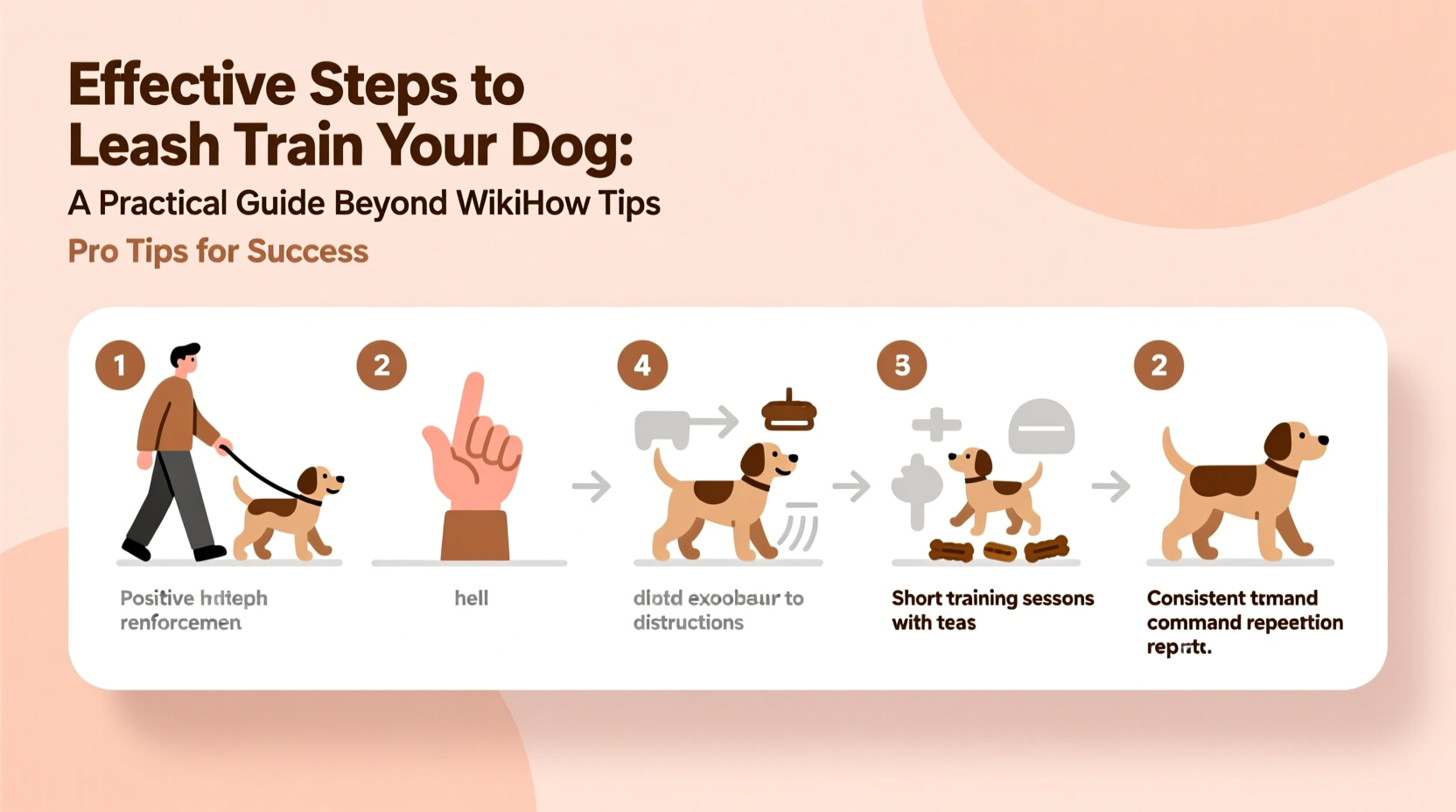
Dogs don’t pull on the leash because they’re defiant—they pull because movement is reinforced. Every time your dog lunges forward and reaches something interesting—a tree, a squirrel, another dog—that action is rewarded by access. Over time, pulling becomes a conditioned behavior. The key to changing it isn’t punishment, but redirection through positive reinforcement of alternative behaviors.
Before beginning training, recognize common triggers:
- High-distraction environments (parks, sidewalks)
- Excitement from seeing other animals or people
- Lack of prior training or inconsistent cues
- Insufficient mental or physical exercise before walks
Addressing these root causes is essential for long-term progress.
Tip: Always tire your dog mentally or physically before attempting structured leash training. A 10-minute puzzle toy session can improve focus more than an hour-long walk.A Step-by-Step Leash Training Timeline
Effective leash training unfolds in phases. Rushing ahead without mastering each stage leads to frustration. Follow this 4-week timeline for lasting results:
- Week 1: Introduce Equipment Indoors
Let your dog wear the harness and leash inside the house during play or meal times. No pressure, no commands—just familiarity. Use high-value treats when the leash touches the floor or drags behind them. - Week 2: Practice Attention & Positioning
Teach “look” or “watch me” using a treat near your eyes. Reward eye contact. Then introduce the heel position (dog at your left side). Take three steps, stop, reward if they stay aligned. Repeat in low-distraction areas. - Week 3: Controlled Outdoor Sessions
Choose a quiet driveway or empty parking lot. Walk short distances, stopping whenever tension appears. Wait for slack in the leash, then mark (“yes!”) and reward. Gradually increase distance as focus improves. - Week 4: Introduce Distractions Gradually
Visit a quiet street or park edge. Limit sessions to 10–15 minutes. If your dog pulls toward a stimulus, turn and walk the opposite direction. This teaches that pulling doesn’t get them closer to what they want.
Progress isn’t linear. Some dogs master heeling in two weeks; others take months. Consistency matters more than speed.
Essential Tools and Techniques That Work
Not all gear is created equal. The right tools reduce strain on both dog and handler while supporting learning.
| Tool | Best For | Caution |
|---|---|---|
| Front-clip harness | Dogs who pull strongly | Avoid back-clip harnesses—they encourage pulling |
| 6-foot nylon leash | Precision training and control | Retractable leashes teach poor habits |
| Treat pouch with soft, pea-sized rewards | Maintaining rapid reinforcement | Large treats break momentum |
| Clicker (optional) | Marking exact behaviors | Only use if you can time clicks accurately |
Pair tools with technique: Use variable reinforcement (sometimes one treat, sometimes three) once your dog shows understanding. This builds persistence, much like how slot machines keep players engaged—not every pull gets a win, but occasional rewards maintain hope.
“The most effective leash training happens not on walks, but in five-minute backyard drills where focus is everything.” — Dr. Karen Becker, Veterinary Behaviorist
Common Mistakes That Undermine Progress
Even well-intentioned owners accidentally reinforce bad habits. Watch for these pitfalls:
- Yanking the leash to correct pulling: Creates fear or resistance. Instead, stop moving and wait for slack.
- Allowing pulling occasionally: Inconsistent rules confuse dogs. If pulling works sometimes, they’ll keep trying.
- Overloading with distractions too soon: Starting in busy areas sets your dog up to fail.
- Using verbal cues without follow-through: Saying “heel” repeatedly without guiding the behavior teaches dogs to ignore you.
One owner reported walking her rescue dog past a skate park daily, hoping he’d “get used” to the noise. After six months, he still lunged and barked. Only when she stepped back to quiet spaces and rebuilt focus did improvement begin. Exposure without guidance isn’t training—it’s desensitization failure.
Mini Case Study: Turning Around Reactive Pulling
Sophie, a 2-year-old Australian Shepherd, pulled violently toward cyclists and joggers. Her owner, Mark, tried retractable leashes and stern commands with no success. They began training in a garage-free zone with zero distractions. Using a front-clip harness and chicken-based treats, Mark taught Sophie to orient toward him when she saw movement at a distance. He started 50 feet from a walking assistant, rewarding Sophie for glancing at him instead of fixating. Over three weeks, they reduced the distance gradually. By week six, Sophie could walk calmly within 10 feet of passersby. The breakthrough wasn’t new gear—it was patience, precision, and respecting her threshold.
Checklist: Your 10-Point Leash Training Success Plan
- ✅ Choose a front-clip harness and standard 6-foot leash
- ✅ Train attention (\"look at me\") before adding motion
- ✅ Begin indoors or in a fenced yard with no distractions
- ✅ Use small, high-value treats (boiled chicken, cheese)
- ✅ Keep sessions under 10 minutes, multiple times per day
- ✅ Stop and wait whenever the leash tightens—don’t pull back
- ✅ Turn and walk the opposite way if your dog surges ahead
- ✅ Reward frequently at first, then fade to intermittent rewards
- ✅ Avoid high-traffic areas until basic compliance is solid
- ✅ End each session on a positive note—even a single good step
Frequently Asked Questions
Can I leash train an older dog?
Absolutely. Age doesn’t prevent learning. Older dogs may take longer due to established habits, but their increased focus often makes training easier than with puppies. Start slow, respect their pace, and use higher-value rewards to boost motivation.
Should I use a clicker?
A clicker can be helpful for marking precise moments—like when your dog shifts weight back or looks up at you—but it’s not required. A verbal marker like “yes!” works just as well if used consistently and immediately after the desired behavior.
What if my dog refuses to walk?
Some dogs freeze due to fear or uncertainty. Never force them forward. Instead, toss treats a few feet ahead to encourage movement. Identify potential stressors (grates, traffic, shadows) and work at a safe distance. Gradual exposure with positive association builds confidence.
Conclusion: Building a Partnership One Step at a Time
Leash training isn’t about control—it’s about connection. When your dog walks calmly beside you, it’s not obedience you’ve achieved, but collaboration. The techniques outlined here go beyond generic advice by focusing on timing, environment, and reinforcement science. You’re not just teaching a behavior; you’re reshaping how your dog experiences the world.
Start today. Not with a long walk, but with three steps in your living room. Reward attention. Celebrate small wins. Trust that consistency compounds. In a few weeks, you’ll wonder why you ever thought walks had to be a battle.
💬 Have a leash training win or challenge? Share your story in the comments—your experience could help another dog owner find their stride.








