Diarrhea in dogs is a common issue that can range from mild and temporary to a sign of a more serious underlying condition. While occasional digestive upset may resolve on its own, persistent or severe episodes require prompt attention. The key to managing canine diarrhea lies in early intervention, proper nutrition, hydration, and understanding the factors that influence gut health. With the right approach, most cases can be resolved quickly, and long-term digestive wellness can be supported through consistent care.
Understanding the Causes of Canine Diarrhea
Dog diarrhea occurs when the digestive tract becomes irritated or inflamed, leading to rapid transit of contents through the intestines. This results in loose, watery stools. Common causes include dietary indiscretion—such as eating spoiled food or garbage—sudden diet changes, food intolerances, bacterial or viral infections, parasites, stress, medications, or underlying diseases like inflammatory bowel disease (IBD) or pancreatitis.
Puppies, senior dogs, and breeds with sensitive stomachs are particularly prone to digestive disturbances. Identifying the root cause is essential for effective treatment. Acute diarrhea—lasting less than two days—often resolves with simple home care. Chronic diarrhea, lasting more than two weeks, warrants veterinary evaluation to rule out systemic illness.
Tip: Keep a log of your dog’s symptoms, diet changes, and behavior—it can help your vet make a faster diagnosis.Immediate Steps to Calm Acute Diarrhea
When your dog develops sudden diarrhea but remains active, alert, and hydrated, you can often manage it at home using a conservative approach. The goal is to rest the digestive system while preventing dehydration.
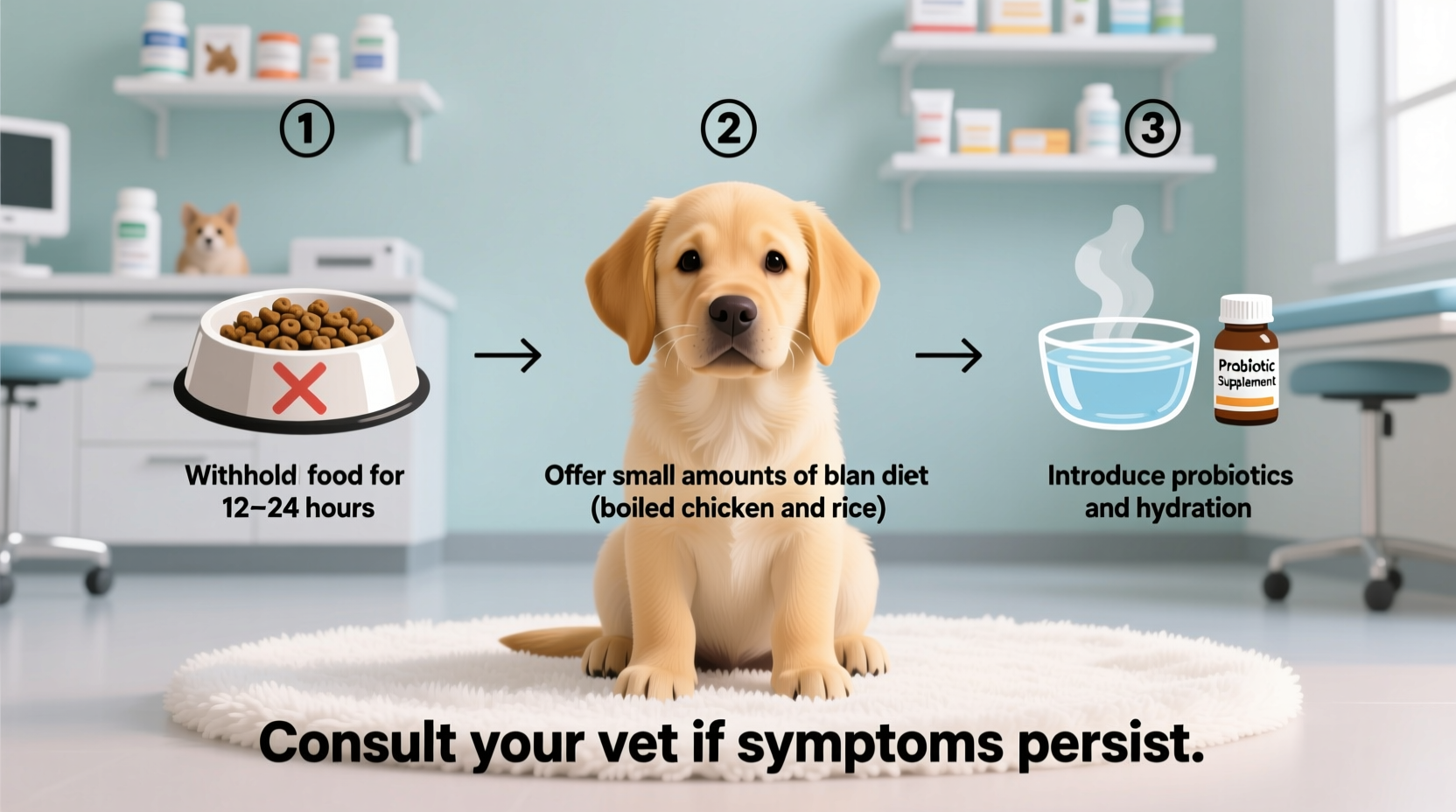
- Withhold food for 12–24 hours. This allows the gut lining to recover. Do not fast puppies, senior dogs, or small breeds without consulting a vet.
- Offer small amounts of water frequently. Dehydration is a major risk. Ice cubes or diluted chicken broth (without onions or garlic) can encourage drinking.
- Introduce a bland diet after fasting. Start with boiled white rice and skinless chicken in a 2:1 ratio. Feed small portions every few hours.
- Gradually reintroduce regular food. Over 2–3 days, mix increasing amounts of normal food with the bland diet.
If diarrhea persists beyond 48 hours, worsens, or is accompanied by vomiting, lethargy, blood in stool, or abdominal pain, seek veterinary care immediately.
Nutrition and Gut Health: Long-Term Support Strategies
Sustainable digestive health depends on consistent, high-quality nutrition. A dog’s gut microbiome—home to trillions of beneficial bacteria—plays a crucial role in nutrient absorption, immune function, and inflammation control. Disruptions to this balance can lead to recurring gastrointestinal issues.
Choose a highly digestible, limited-ingredient diet if your dog has a history of sensitivity. Look for whole proteins like lamb or fish, easily digestible carbohydrates such as sweet potato, and added fiber sources like pumpkin or psyllium. Probiotics and prebiotics are valuable allies in maintaining microbial balance.
| Nutrient | Role in Digestive Health | Good Sources |
|---|---|---|
| Probiotics | Replenish beneficial gut bacteria | Fermented foods, supplements, yogurt (dog-safe) |
| Prebiotics | Feed good bacteria | Inulin, chicory root, bananas |
| Soluble Fiber | Forms gel-like substance; slows digestion | Pumpkin, oats, apples (no seeds) |
| Omega-3 Fatty Acids | Reduce gut inflammation | Fish oil, flaxseed (in moderation) |
“Maintaining a balanced gut microbiome isn’t just about treating diarrhea—it’s foundational to overall health, immunity, and longevity.” — Dr. Laura Simmons, Veterinary Nutritionist
Common Mistakes That Worsen Diarrhea
Well-meaning pet owners sometimes unintentionally prolong digestive issues. Avoid these pitfalls:
- Feeding rich table scraps during recovery. Even small amounts of fatty or seasoned foods can trigger relapse.
- Switching diets too quickly. Always transition over 7–10 days by gradually mixing new food into the old.
- Using human medications like Imodium without veterinary guidance. Some drugs are toxic to dogs or mask serious conditions.
- Ignoring behavioral stressors. Changes in routine, travel, or separation anxiety can manifest as diarrhea.
Real-World Example: Managing Recurring Diarrhea in a Rescue Dog
Baxter, a 3-year-old mixed breed rescue, was adopted after living in a shelter with inconsistent feeding. His new family noticed frequent soft stools and occasional vomiting. They initially tried switching brands frequently, hoping to find the “perfect” food, but his symptoms worsened.
After a vet visit ruled out parasites and infection, they worked with a veterinary nutritionist. Baxter was placed on a novel protein diet (duck and pea) with added probiotics. His meals were timed, portion-controlled, and supplemented with canned pumpkin. His environment was also adjusted—his walks became more predictable, and he was given a quiet space to eat.
Within three weeks, his stools normalized. Now, six months later, Baxter has firm stools daily and no longer shows signs of discomfort. His case highlights how consistency, tailored nutrition, and environmental management can transform digestive health.
Step-by-Step Guide to Supporting Your Dog’s Digestive Recovery
- Day 1: Fast for 12–24 hours (if otherwise healthy). Offer water in small amounts every 30 minutes.
- Day 2: Begin bland diet—boiled chicken and rice, 4–6 small meals. Monitor stool consistency.
- Day 3–4: Mix in 25% regular food. Continue probiotics if recommended.
- Day 5–6: Increase to 50%, then 75% regular food. Watch for any regression.
- Day 7: Resume full regular diet if stools remain firm. Consider ongoing gut support supplements.
This timeline assumes improvement within 48 hours. If diarrhea returns at any stage, revert to the bland diet and consult your veterinarian.
Frequently Asked Questions
Can I give my dog pumpkin for diarrhea?
Yes. Plain, canned pumpkin (not pie filling) is rich in soluble fiber and helps absorb excess intestinal fluid. Give 1–2 tablespoons for medium dogs, adjusted for size, mixed into food.
How do I know if my dog is dehydrated?
Check for dry gums, sunken eyes, or reduced skin elasticity. Perform the “scruff test”: gently lift the skin at the back of the neck. If it doesn’t snap back quickly, dehydration may be present. Seek veterinary help if suspected.
Should I always see a vet for dog diarrhea?
Not always. Mild, short-lived cases in otherwise healthy dogs can be managed at home. However, contact your vet if diarrhea lasts more than 48 hours, contains blood, or is paired with vomiting, fever, or weakness.
Conclusion: Building a Foundation for Lifelong Digestive Wellness
Addressing dog diarrhea effectively requires both immediate action and long-term strategy. From short-term fasting and bland diets to thoughtful nutrition and stress reduction, every choice impacts gut health. By understanding your dog’s unique needs and avoiding common missteps, you can prevent recurrence and support a resilient digestive system.
💬 Have a success story or question about managing your dog’s digestive health? Share your experience below—your insights could help another pet parent navigate this common challenge.








