Maintaining a clean and sanitized cat crate is essential for your pet’s health, comfort, and emotional well-being. Whether used for travel, vet visits, or temporary housing, cat crates accumulate fur, dander, saliva, and potential pathogens over time. Using the right cleaning protocol — especially one that includes a trusted disinfectant like Accell — ensures your cat’s space remains free of harmful bacteria and odors. This comprehensive guide walks you through every stage of the process, from preparation to drying, using proven methods that prioritize safety and effectiveness.
Why Regular Crate Cleaning Matters
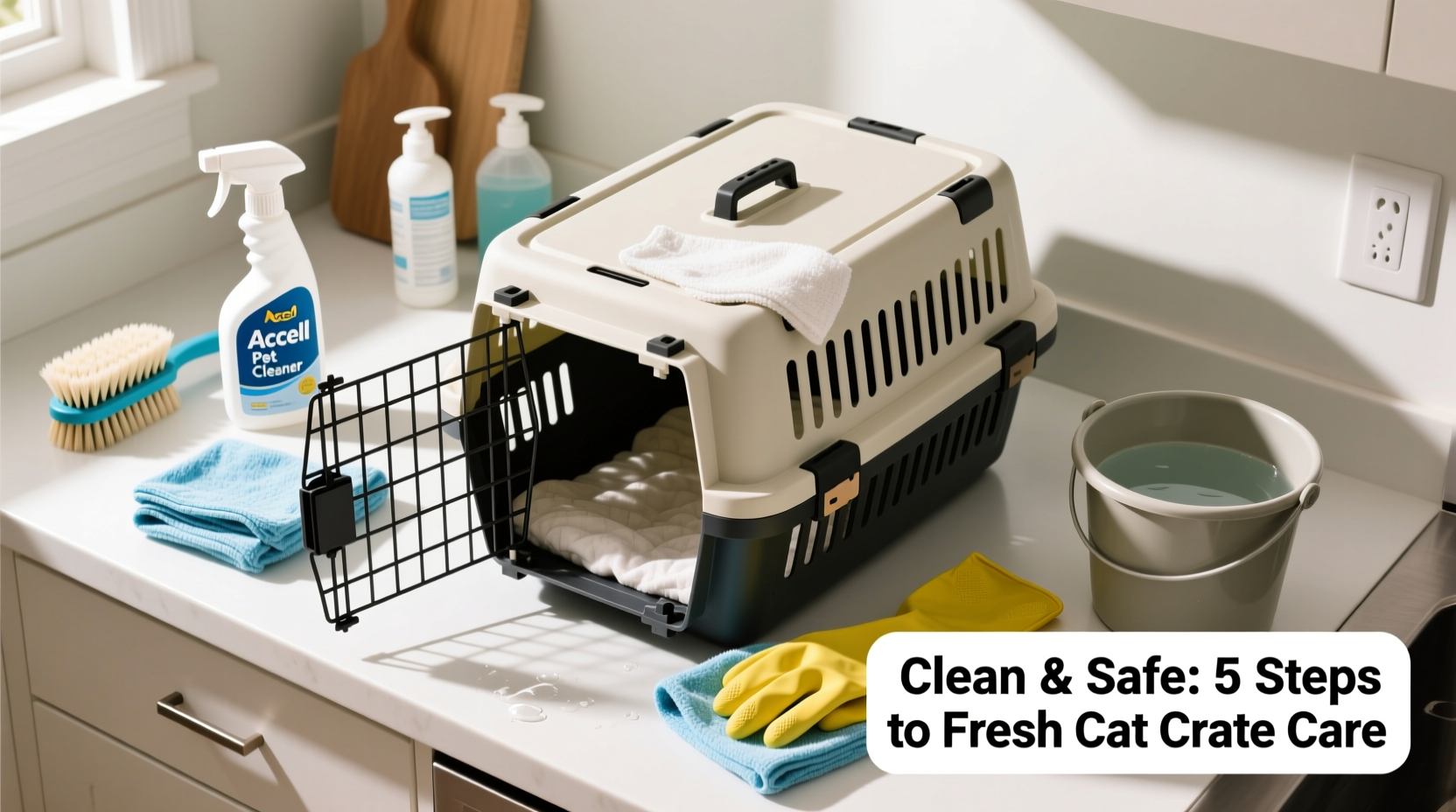
Cat crates are confined spaces where pets spend extended periods under stressful conditions. Unlike open environments, poor ventilation in crates can trap moisture, urine residue, and organic matter, creating an ideal breeding ground for bacteria, mold, and viruses. A neglected crate may lead to respiratory issues, skin irritation, or behavioral stress in cats.
Regular cleaning not only prevents disease transmission but also reduces anxiety during transport. Familiar scents mixed with lingering waste odors confuse cats and increase their stress levels. A freshly cleaned crate provides a neutral, safe sensory environment, making future trips less traumatic.
“Sanitizing pet carriers between uses is as important as cleaning litter boxes. Pathogens like ringworm, calicivirus, and bordetella can survive on surfaces for days.” — Dr. Lena Reyes, Feline Health Veterinarian
Understanding Accell: Why It’s Ideal for Pet Spaces
Accell is a fast-acting, hospital-grade disinfectant widely used in veterinary clinics and animal shelters. Its formulation combines accelerated hydrogen peroxide (AHP) technology, which breaks down into water and oxygen after use, making it environmentally friendly and non-toxic when used correctly.
Unlike bleach-based cleaners, Accell effectively eliminates viruses, fungi, and bacteria without leaving harsh chemical residues. It works within 2–5 minutes on most surfaces and doesn’t require rinsing on hard, non-porous materials — a critical advantage when cleaning plastic or metal crates.
Tip: Always check the label version of Accell you're using. Some variants are formulated specifically for veterinary use and may differ slightly in dilution ratios.Step-by-Step Guide to Cleaning Cat Crates with Accell
A thorough cleaning process involves both mechanical removal of debris and chemical disinfection. Follow this timeline-tested method to ensure complete sanitation while protecting your cat’s health.
- Remove all contents: Take out bedding, toys, food bowls, and absorbent pads. Dispose of soiled materials appropriately.
- Dry clean first: Use a lint roller or vacuum with a brush attachment to remove loose hair, dander, and food crumbs from corners and crevices.
- Wash removable parts: If the crate has detachable trays or fabric liners, wash them separately in warm, soapy water. Air dry completely before reassembly.
- Pre-clean with soap and water: Wipe down all interior and exterior surfaces with mild dish soap and a microfiber cloth. This removes biofilm that could shield microbes from disinfectants.
- Rinse and dry: Damp-wipe with clean water to remove soap residue, then towel-dry or air-dry for 10–15 minutes.
- Apply Accell solution: Spray or wipe Accell evenly across all surfaces, ensuring full coverage. Pay special attention to grilles, door latches, and floor seams.
- Dwell time: Allow the disinfectant to remain wet on surfaces for at least 2 minutes (or as directed on the product label) to achieve full microbial kill.
- Ventilate and air dry: Place the crate in a well-ventilated area until fully dry. Do not return your cat until all moisture has evaporated and no odor remains.
Do’s and Don’ts When Using Accell on Cat Crates
| Do’s | Don’ts |
|---|---|
| Use gloves and eye protection when handling concentrated solutions | Never spray directly onto your cat or near their face |
| Follow manufacturer instructions for dilution and contact time | Avoid using on porous materials like untreated wood or fabric |
| Store Accell in its original container, away from sunlight and heat | Don’t skip the pre-cleaning step — organic matter reduces disinfectant performance |
| Label cleaned crates clearly to avoid confusion in multi-pet households | Never allow cats back into the crate while it’s still damp or smells strongly of cleaner |
Mini Case Study: Reducing Stress at Metrovet Clinic
At Metrovet Animal Care Center in Portland, staff noticed an uptick in post-visit respiratory symptoms among transported cats. After investigation, they traced the issue to reused carriers that were wiped down but not properly disinfected.
The clinic implemented a new protocol requiring all loaner crates to be cleaned with Accell following each use. The process included vacuuming, washing trays, and allowing a full 5-minute dwell time before airing out in a dedicated drying station.
Within three months, reported cases of upper respiratory infections dropped by 67%. Clients also noted their cats appeared calmer during subsequent visits. “The difference was immediate,” said clinic manager Rachel Tran. “Clean crates send a signal of safety to cats — it’s part of compassionate care.”
Essential Checklist for Safe and Effective Crate Sanitation
- ☐ Remove all accessories and dispose of used liners or towels
- ☐ Vacuum or brush out loose debris and hair
- ☐ Wash removable parts with warm, soapy water
- ☐ Wipe entire crate with mild detergent; rinse if necessary
- ☐ Dry surfaces thoroughly before applying disinfectant
- ☐ Apply Accell liberally; ensure even coverage
- ☐ Wait minimum 2 minutes for full disinfection
- ☐ Air dry in ventilated space until completely dry
- ☐ Inspect for any lingering odor or moisture before reuse
- ☐ Store crate covered in a clean, dust-free location
Frequently Asked Questions
How often should I clean my cat’s crate?
After every use, especially if your cat urinated, vomited, or showed signs of illness. For crates used regularly (e.g., weekly vet visits), perform a deep clean at least once a week even if visibly clean.
Is Accell safe for kittens and senior cats?
Yes, when used as directed. Accell breaks down into harmless compounds and leaves no toxic residue. However, extra caution should be taken with young or immunocompromised animals — always allow ample drying time and ensure good airflow during application.
Can I use Accell on soft-sided cat carriers?
Limited use only. Accell should not saturate fabric or foam components, as these materials retain moisture and may degrade. Spot-test first and apply via a damp cloth rather than spraying directly. Allow extended drying time.
Final Thoughts: Building a Routine for Long-Term Pet Wellness
A clean cat crate isn't just about appearance — it's a cornerstone of responsible pet care. By integrating Accell into your sanitation routine, you’re not only eliminating germs but also fostering a sense of security for your cat during potentially stressful experiences. The few extra minutes spent cleaning today can prevent illness, reduce anxiety, and strengthen the trust between you and your pet.
💬 Ready to make crate hygiene a priority? Start by gathering your supplies and scheduling your next cleaning session. Share your experience or ask questions in the comments — let’s build a healthier, safer world for our feline companions together.








