Wasp stings are more than just a sharp, sudden pain—they can trigger serious allergic reactions in some individuals and disrupt outdoor activities. Unlike bees, wasps can sting multiple times, making them particularly dangerous when provoked. Understanding how to treat a sting quickly and effectively, as well as how to prevent encounters altogether, is essential for anyone who spends time outdoors. This guide delivers practical, science-backed strategies for immediate relief, long-term care, and proactive prevention.
Understanding Wasp Stings: Why They Hurt and How They Work
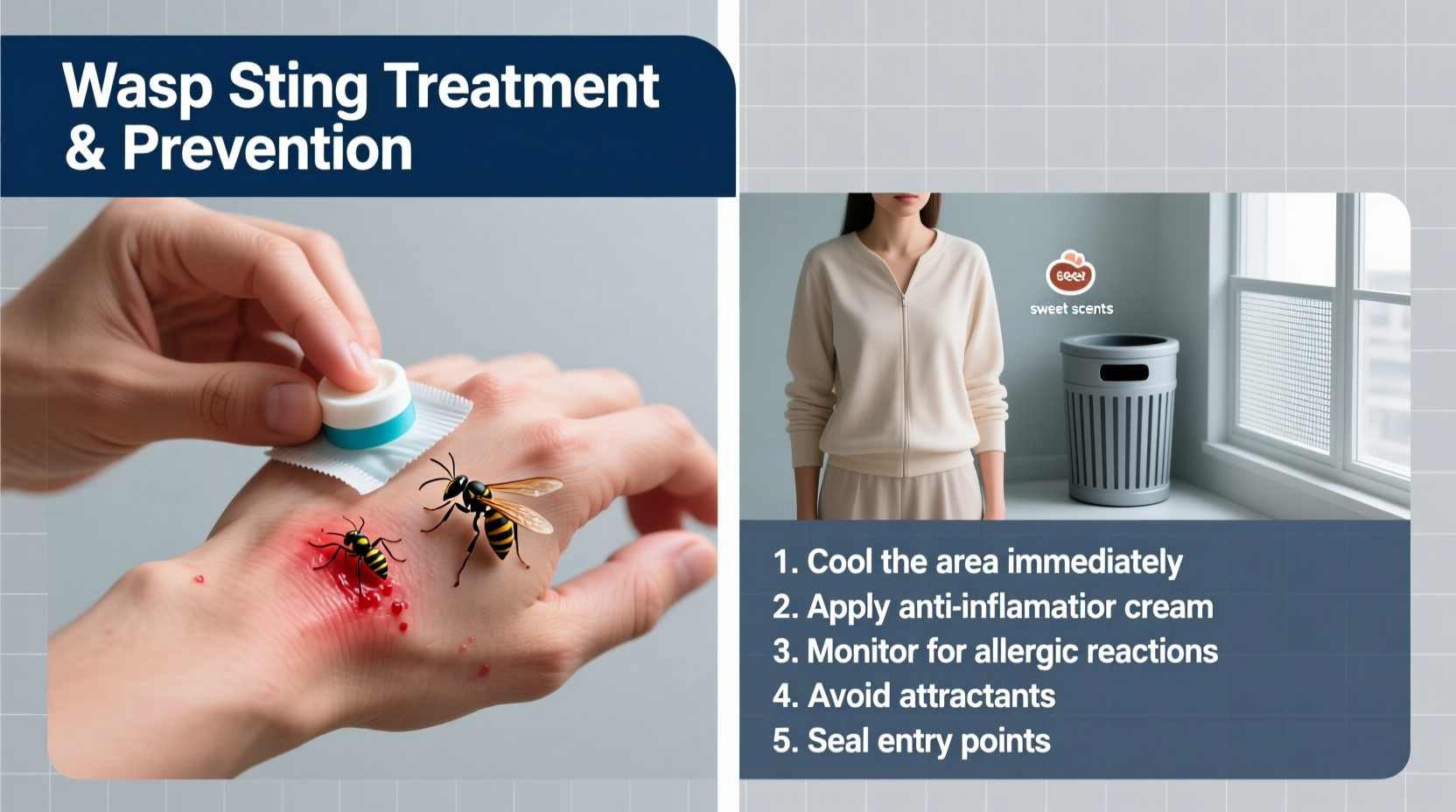
When a wasp stings, it injects venom into the skin using a smooth stinger, allowing it to withdraw and strike repeatedly. The venom contains proteins that trigger pain, inflammation, and immune responses. Common symptoms include immediate sharp pain, redness, localized swelling, and itching. For most people, these effects are mild and resolve within hours or days.
However, some individuals may experience larger local reactions—swelling exceeding 10 cm in diameter that peaks after 48 hours. In rare cases, anaphylaxis can occur, which is a life-threatening allergic reaction requiring emergency medical intervention.
“Wasp venom contains enzymes like phospholipase and hyaluronidase that break down cell membranes and spread the toxin through tissue,” says Dr. Lena Torres, immunologist at the National Allergy Research Center. “This explains both the intense initial pain and the progressive swelling.”Tip: If you're stung and notice swelling spreading beyond the sting site or difficulty breathing, seek emergency care immediately.
Immediate Treatment: Step-by-Step Relief Protocol
Acting quickly after a wasp sting can significantly reduce discomfort and lower the risk of complications. Follow this step-by-step timeline for optimal results:
- Move to Safety (0–1 minute): Calmly retreat from the area to avoid additional stings. Wasps release pheromones when agitated, attracting others.
- Clean the Area (1–3 minutes): Wash the sting site with soap and water to prevent infection.
- Apply Cold Compress (5–10 minutes): Use an ice pack wrapped in cloth for 10-minute intervals to reduce swelling and numb pain.
- Elevate if Necessary (Ongoing): If stung on a limb, elevate it slightly to minimize fluid buildup.
- Use Over-the-Counter Remedies (Within 30 minutes): Apply hydrocortisone cream for itching or take an oral antihistamine like diphenhydramine (Benadryl) or cetirizine (Zyrtec).
- Monitor Symptoms (Next 24–72 hours): Watch for signs of worsening reactions, especially during the first two days.
Avoid scratching the area, as broken skin increases infection risk. Do not attempt to suck out venom or apply unproven home remedies like toothpaste or baking soda paste—these lack scientific support and may irritate the skin further.
Prevention Strategies: Minimizing Exposure and Risk
The best way to handle wasp stings is to avoid them entirely. Wasps are attracted to sweet smells, bright colors, open food, and movement. By adjusting your habits and environment, you can drastically reduce encounters.
| Do’s | Don’ts |
|---|---|
| Wear neutral-colored clothing (white, beige, gray) | Avoid floral patterns and perfumes |
| Keep food covered during outdoor meals | Leave sugary drinks or fruit uncovered |
| Seal garbage bins tightly | Allow trash to accumulate near patios |
| Install wasp traps early in summer | Swat at wasps aggressively |
| Inspect eaves and decks for nests monthly | Approach nests without protective gear |
Real-World Example: A Gardener’s Close Call
Sarah M., a landscape designer in Oregon, was pruning near her back porch when she disturbed a hidden paper wasp nest tucked under the railing. She received three stings on her forearm before retreating indoors. Remembering first aid protocols, she washed the area, applied a cold compress, and took an antihistamine. Within two hours, swelling began to subside. However, by the next morning, the redness had expanded to nearly five inches across, prompting a visit to her clinic. Her doctor prescribed a short course of corticosteroids to manage inflammation and advised carrying an epinephrine auto-injector due to the severity of the local reaction.
Sarah now wears long sleeves while gardening, inspects structures before working nearby, and uses commercial wasp deterrent sprays seasonally. “I didn’t realize how reactive my body could be,” she said. “Now I treat every outdoor task with caution.”
Essential Prevention Checklist
- ✅ Inspect your home’s exterior monthly for signs of nests
- ✅ Seal cracks around windows, vents, and rooflines
- ✅ Use tight-fitting lids on outdoor trash and compost bins
- ✅ Avoid wearing scented lotions or hair products outside
- ✅ Set up non-toxic wasp traps in spring before populations peak
- ✅ Keep children’s toys picked up—juice spills attract wasps
- ✅ Carry an epinephrine auto-injector if previously diagnosed with venom allergy
This checklist should be reviewed at the start of each warm season. Proactive maintenance reduces the likelihood of surprise encounters and ensures peace of mind during outdoor gatherings.
Frequently Asked Questions
Can a wasp sting cause an infection?
Yes, though rare, bacterial infections can develop if the sting site is scratched excessively or not cleaned properly. Signs include increasing redness, warmth, pus, or fever. If these appear, consult a healthcare provider promptly.
How long does a typical wasp sting reaction last?
Most mild reactions resolve within 1–3 days. Swelling and redness usually peak at 48 hours and gradually fade. Larger local reactions may take up to a week to fully subside.
Is it safe to remove a wasp nest myself?
Small nests caught early may be treated with over-the-counter insecticidal sprays used at night when wasps are less active. However, nests near entryways, large colonies, or those belonging to aggressive species like yellow jackets should be removed by licensed pest control professionals.
Final Thoughts and Action Plan
Wasp stings don’t have to ruin your summer. With prompt treatment and consistent preventive measures, you can protect yourself and your family from unnecessary pain and potential health risks. Immediate care—cleaning, cooling, and monitoring—is critical. But true safety comes from awareness: knowing where wasps nest, what attracts them, and how to modify your surroundings accordingly.
If you’ve experienced a severe reaction in the past, talk to an allergist about immunotherapy options. Venom immunotherapy has been shown to reduce the risk of future anaphylaxis by up to 98%, according to the American Academy of Allergy, Asthma & Immunology.
💬 Have a personal tip or story about dealing with wasp stings? Share your experience below to help others stay safe and informed this season!








