
Dry skin in dogs is more than just a minor irritation—it can lead to persistent scratching, hair loss, and even secondary infections if left untreated. While occasional flakiness might be normal, especially during colder months, chronic dryness often signals an underlying issue such as poor diet, environmental factors, allergies, or medical conditions. Addressing dry skin effectively requires a holistic approach that combines proper nutrition, grooming habits, and targeted treatments. This guide outlines proven, veterinarian-supported solutions to restore moisture, soothe discomfort, and maintain your dog’s skin health year-round.
Understanding the Causes of Dry Skin in Dogs
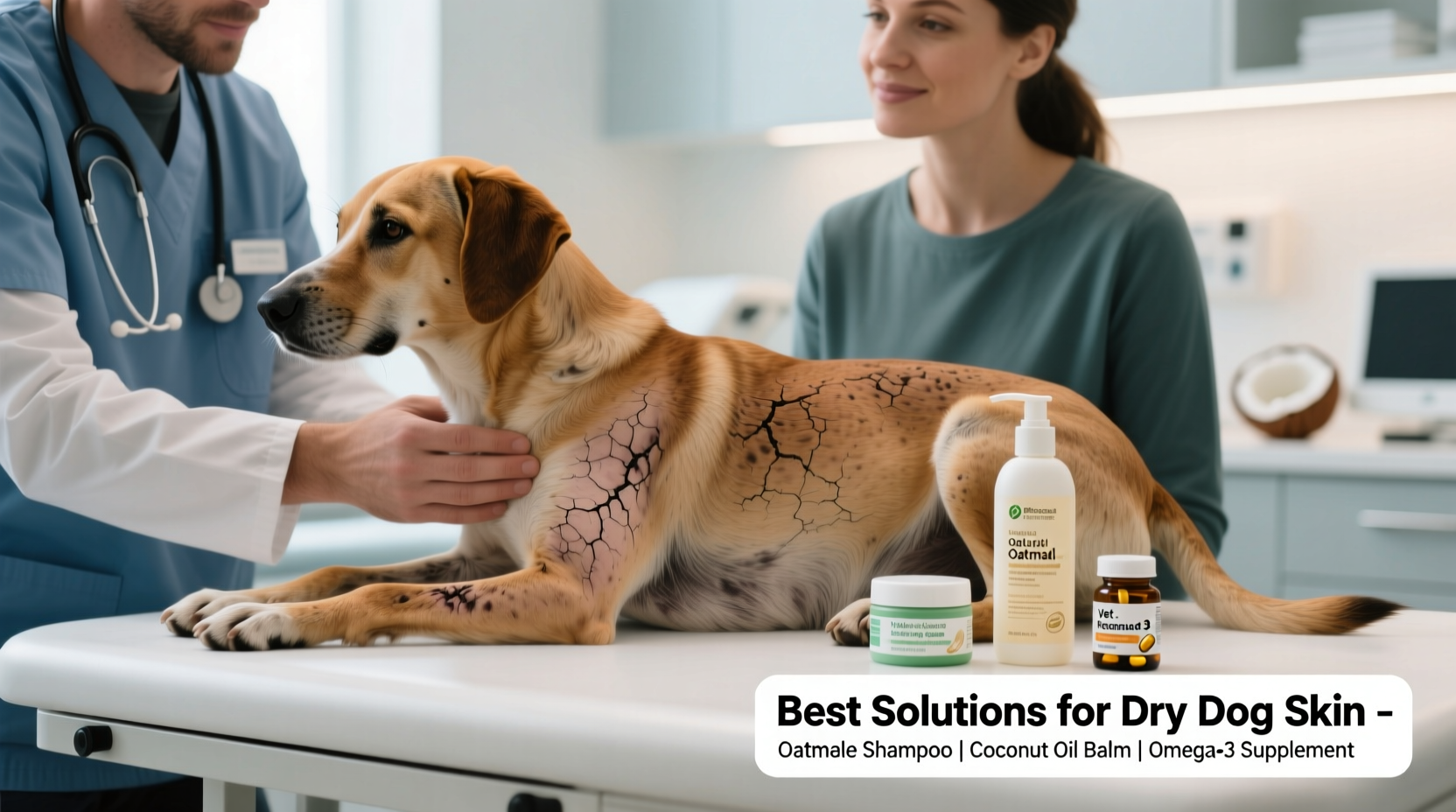
Dog skin, unlike human skin, has a different pH balance and structure, making it susceptible to dryness when exposed to harsh shampoos, low humidity, allergens, or nutritional deficiencies. Common causes include:
- Seasonal changes: Cold winter air and indoor heating reduce moisture in the environment.
- Poor diet: Lack of essential fatty acids like omega-3 and omega-6 weakens the skin barrier.
- Allergies: Environmental (pollen, dust mites) or food-based allergens trigger inflammatory responses.
- Bathing too frequently: Over-bathing strips natural oils from the skin.
- Parasites: Fleas, mites, or lice can cause intense itching and skin damage.
- Underlying health issues: Hypothyroidism, Cushing’s disease, or yeast infections may manifest as dry, flaky skin.
Before applying any treatment, it's crucial to identify whether the dryness is superficial or symptomatic of a deeper condition. A veterinary consultation ensures accurate diagnosis and prevents misdirected care.
Tip: Monitor your dog’s skin closely after seasonal transitions or dietary changes—early intervention prevents complications.Top 5 Effective Solutions for Dry Skin
1. High-Quality Diet with Essential Fatty Acids
Nutrition plays a foundational role in skin health. Omega-3 and omega-6 fatty acids support cell membrane integrity and reduce inflammation. Look for dog foods rich in fish oil, flaxseed, or salmon, or consider adding a vet-approved supplement.
“Skin reflects internal health. A balanced diet with adequate fats is the first line of defense against dryness.” — Dr. Lena Torres, DVM, Canine Dermatology Specialist
2. Use Moisturizing, Hypoallergenic Shampoos
Not all shampoos are created equal. Choose products labeled “colloidal oatmeal,” “ceramide-enriched,” or “hydrating formula” that cleanse without stripping natural oils. Bathe only when necessary—every 4–6 weeks unless otherwise advised by your vet.
3. Apply Natural Topical Treatments
Coconut oil, aloe vera gel (ensure it’s pet-safe and free of additives), and shea butter can be applied directly to affected areas. These act as emollients, locking in moisture and reducing itchiness. Always patch-test first and avoid open wounds.
4. Humidify Indoor Air
During winter, indoor heating dries the air significantly. Using a humidifier in rooms where your dog spends most of their time helps maintain optimal humidity levels (ideally between 40–60%).
5. Regular Brushing with the Right Tools
Brushing distributes natural sebum across the coat, hydrates the skin, and removes dead flakes. For dogs with dry skin, use a soft-bristle brush or rubber curry comb. Long-haired breeds benefit from daily brushing; short-haired dogs may need it 2–3 times per week.
Step-by-Step Guide to Managing Dry Skin at Home
- Assess the severity: Check for redness, odor, sores, or excessive scratching. Mild flaking may respond to home care; severe cases require a vet visit.
- Switch to a skin-supportive diet: Introduce a high-quality kibble with added omegas or add a fish oil supplement (dosage based on weight).
- Adjust bathing routine: Reduce frequency and switch to a moisturizing shampoo. Rinse thoroughly to prevent residue buildup.
- Incorporate topical relief: Gently massage coconut oil into dry patches 2–3 times per week.
- Maintain hydration: Ensure fresh water is always available. Dehydration exacerbates skin issues.
- Monitor progress: Track improvements over 2–4 weeks. If no change occurs, consult your veterinarian.
Do’s and Don’ts: Quick Reference Table
| Do’s | Don’ts |
|---|---|
| Use vet-recommended moisturizing shampoos | Use human shampoos or soaps (they disrupt pH balance) |
| Add omega-3 supplements to diet | Over-bathe your dog (more than once every 3–4 weeks) |
| Brush regularly to stimulate oil production | Apply scented lotions or perfumed sprays |
| Run a humidifier in winter months | Ignore signs of infection like pus or foul odor |
| Consult a vet for persistent symptoms | Self-diagnose allergies without testing |
Real Example: How Max’s Skin Transformed
Max, a 4-year-old Golden Retriever, began scratching excessively each winter. His owner noticed flaky skin along his back and belly, despite regular baths. After ruling out fleas and allergies through veterinary testing, the vet recommended switching to a salmon-based diet enriched with omega-3s and using a colloidal oatmeal shampoo every five weeks. The owner also started applying a thin layer of organic coconut oil twice weekly and introduced a bedroom humidifier. Within six weeks, Max’s skin became noticeably softer, and his scratching decreased by over 80%. This case highlights how combining dietary, topical, and environmental strategies leads to lasting improvement.
Essential Checklist for Treating Dry Skin
- ✅ Rule out parasites or infections with a vet visit
- ✅ Switch to a high-fat, omega-rich dog food or add supplements
- ✅ Replace current shampoo with a hydrating, hypoallergenic formula
- ✅ Limit bathing to once a month or less
- ✅ Begin regular brushing with a soft brush
- ✅ Apply natural moisturizers like coconut oil to dry areas
- ✅ Use a humidifier during dry seasons
- ✅ Monitor skin weekly for changes
- ✅ Schedule follow-up with vet if no improvement in 4 weeks
Frequently Asked Questions
Can I use baby lotion on my dog’s dry skin?
No. Most baby lotions contain fragrances, glycerin, or preservatives that can irritate canine skin or be toxic if licked. Always use products specifically formulated for dogs.
Is coconut oil safe for all dogs?
Generally yes, but some dogs may have sensitivities. Start with a small amount on a localized area. Avoid if your dog has pancreatitis or is overweight, as coconut oil is high in fat. Consult your vet before regular use.
How long does it take to see improvement in dry skin?
With consistent care, most dogs show noticeable improvement within 3–6 weeks. Chronic cases linked to allergies or hormonal imbalances may require longer treatment under veterinary supervision.
Conclusion: Take Action for Healthier Skin Today
Dry skin in dogs doesn’t have to be a recurring problem. With the right combination of nutrition, grooming, and environmental adjustments, you can restore your dog’s skin to a healthy, supple state. Start by evaluating your current routine—what you’re feeding, how often you bathe, and the products you use. Small, informed changes make a significant difference. Remember, persistent dryness isn’t something to ignore. When in doubt, always seek professional guidance to rule out medical causes. Your dog depends on you not just for comfort, but for long-term well-being.
💬 Have a success story or tip for managing your dog’s dry skin? Share your experience below and help fellow pet owners find relief for their furry friends!








