
Uninvited cats in your yard can be a persistent nuisance—digging in gardens, using flower beds as litter boxes, or disturbing outdoor spaces meant for relaxation. While the instinct might be to resort to harsh measures, responsible pet owners and animal lovers know that humane solutions are not only ethical but often more sustainable. The challenge lies in finding deterrents that effectively keep cats away without causing harm. Fortunately, a range of proven, non-toxic, and pet-safe strategies exists to help you reclaim your space while respecting all animals.
Understanding Why Cats Enter Your Yard
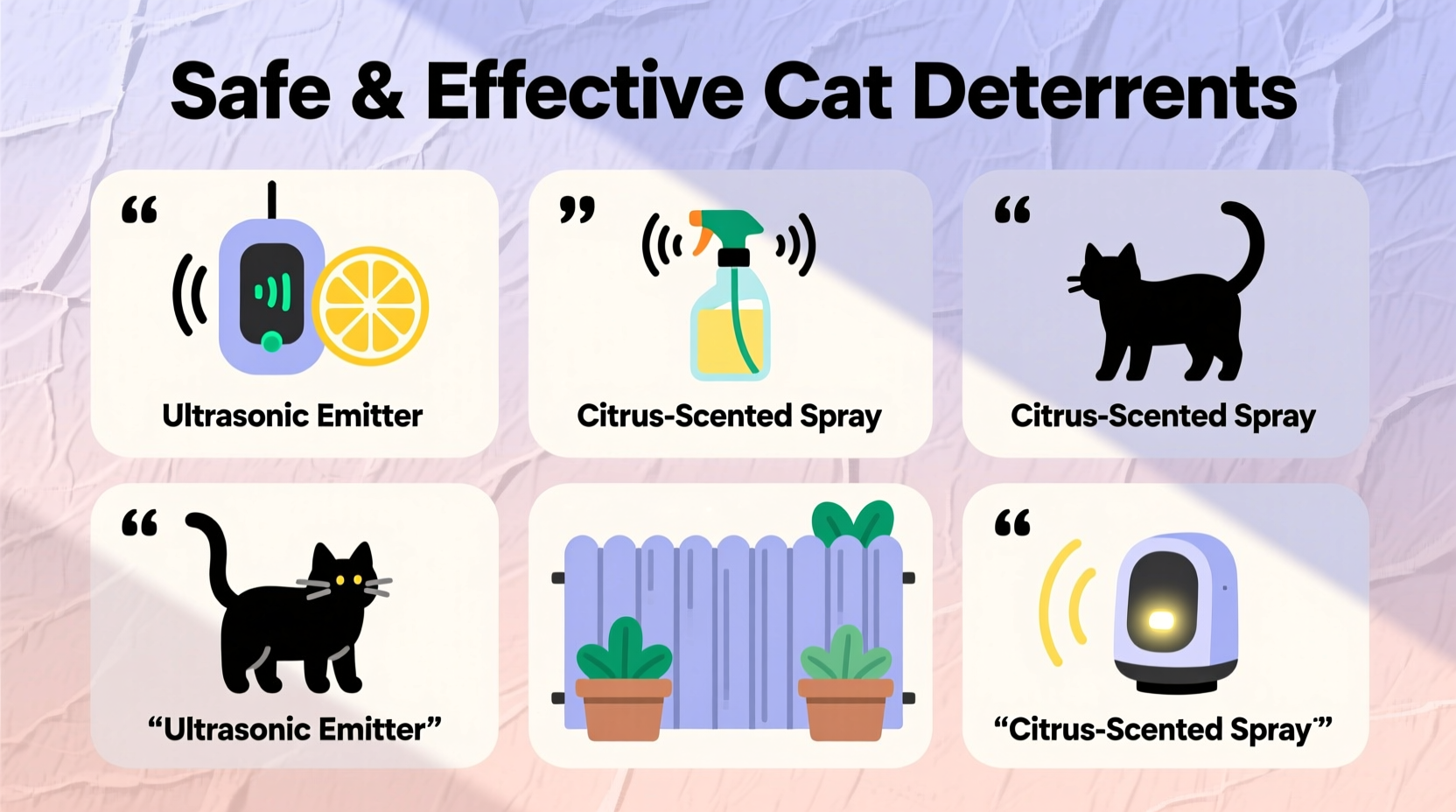
Cats, whether stray, feral, or neighborhood pets, are drawn to yards for specific reasons: safety, comfort, access to food, or territorial behavior. Outdoor cats often seek soft soil for digging, shaded areas for resting, or quiet zones free from larger predators. Recognizing these motivations is key to choosing the right deterrent strategy. Simply repelling a cat temporarily won’t solve the issue if the underlying attraction remains.
Effective deterrence begins with eliminating incentives. Remove potential food sources like uncovered compost bins or pet food left outdoors. Secure trash containers and discourage feeding by others. Once these attractants are minimized, targeted deterrents become far more effective.
Tip: Observe when and where cats enter your yard—this helps identify entry points and peak activity times for strategic intervention.Proven Non-Harmful Cat Deterrent Methods
The best cat deterrents work by exploiting feline senses and instincts without causing injury or distress. Cats rely heavily on smell, touch, and hearing, making sensory-based solutions particularly effective.
1. Scent-Based Repellents
Cats have a highly developed sense of smell and naturally avoid certain odors. Common household items like citrus peels, coffee grounds, and essential oils (e.g., citronella, lavender, eucalyptus) can be used strategically around problem areas. However, use essential oils with caution—some can be toxic if ingested or absorbed through the skin, especially by dogs.
A safer alternative is commercial organic repellents made from natural ingredients like putrescent egg solids or predator urine (such as coyote or fox). These mimic danger signals and trigger avoidance behavior without physical contact.
2. Physical Barriers and Surface Deterrents
Cats dislike walking on unstable or uncomfortable surfaces. Placing chicken wire, plastic mats with upward nubs (often sold as “cat spikes” or “paw protectors”), or even crinkly mulch like crushed stone in garden beds discourages digging and lounging.
Another effective method is installing motion-activated sprinklers. These devices detect movement and release a brief burst of water, startling the cat without causing harm. Over time, cats learn to avoid the area altogether.
“Humane deterrents that rely on conditioned avoidance are more effective long-term than temporary scare tactics.” — Dr. Lena Patel, Animal Behavior Specialist
3. Ultrasonic Devices
Ultrasonic repellents emit high-frequency sounds that are unpleasant to cats but inaudible to humans and most other pets. These battery- or solar-powered units activate when motion is detected, creating an invisible boundary. While effectiveness varies by model and environment, many users report significant reductions in cat visits within 1–2 weeks.
Choose models with adjustable sensitivity and sound frequency to ensure they target cats specifically and don’t affect dogs or wildlife unnecessarily.
Step-by-Step Guide to Implementing a Humane Cat Deterrent Plan
Success depends on consistency and layered strategies. A single method may not suffice, but combining approaches increases effectiveness.
- Assess the Problem Area: Identify where cats enter, what they do, and how frequently they appear.
- Remove Attractants: Clear food sources, secure compost, and avoid leaving pet food outside.
- Install Physical Deterrents: Lay down chicken wire over soil or use textured ground covers in flower beds.
- Add Motion-Activated Devices: Position sprinklers or ultrasonic emitters at entry points.
- Use Scent Repellents: Apply natural sprays or scatter citrus peels in high-traffic zones.
- Monitor and Adjust: Evaluate results weekly; rotate methods if cats adapt.
Comparison of Popular Cat Deterrent Methods
| Method | Effectiveness | Pet Safety | Cost | Maintenance |
|---|---|---|---|---|
| Motion-Activated Sprinkler | High | Very Safe | $$ | Low (seasonal refilling) |
| Ultrasonic Device | Moderate to High | Very Safe | $$ | Low (battery/solar check) |
| Natural Scent Repellents | Moderate | Safe (if non-toxic) | $ | High (reapplication needed) |
| Physical Barriers (e.g., chicken wire) | High | Very Safe | $ | Low |
| Commercial Organic Sprays | Moderate | Safe (check ingredients) | $$ | High (weekly reapplication) |
Real-World Example: A Garden Transformed
Sarah Thompson, a gardener in Portland, Oregon, struggled for months with stray cats destroying her vegetable beds. After trying mothballs (ineffective and unsafe), she adopted a multi-pronged approach: installing a motion-activated sprinkler near the back fence, covering vulnerable soil with plastic mesh, and applying a plant-based repellent spray every few days.
Within three weeks, cat activity dropped significantly. By week six, no new disturbances were reported. “It wasn’t one thing that worked,” Sarah said. “It was combining methods so the yard just didn’t feel inviting anymore.” Her tomatoes flourished, and she now recommends layered deterrents to fellow gardeners in her community group.
Common Mistakes to Avoid
- Using harmful substances: Avoid ammonia, mothballs, or pepper sprays—they can poison pets, children, or the cats themselves.
- Expecting instant results: Behavioral change takes time. Consistency is crucial.
- Ignoring local laws: In many areas, harming or trapping cats without permits is illegal. Always opt for legal, humane options.
- Over-relying on scent alone: Rain washes away smells, and cats may grow accustomed to static scents.
Frequently Asked Questions
Are ultrasonic cat deterrents safe for my dog?
Most ultrasonic devices operate at frequencies targeted to cats (typically 22–25 kHz), which are higher than what dogs hear comfortably. However, some sensitive dogs may react. Choose models with adjustable settings and observe your pet’s behavior during initial use.
Can I use vinegar as a cat repellent?
Vinegar has a strong smell that deters some cats, but its effectiveness is limited and short-lived. It can also damage plants and soil pH if used excessively. For better results, combine diluted vinegar with citrus extracts and reapply sparingly.
What should I do if the cat belongs to a neighbor?
Approach the situation diplomatically. Share your concerns politely and suggest solutions like keeping their cat indoors or using a bell collar to reduce hunting. Many neighbors are unaware their pet is roaming and will cooperate once informed.
Final Recommendations and Action Plan
The best cat deterrent without harming pets combines respect for animal welfare with practical, science-backed methods. Start with removing attractants, then layer in physical, auditory, and olfactory deterrents tailored to your space. Monitor progress and remain patient—behavioral conditioning takes time.
By choosing humane solutions, you not only protect your property but also contribute to a more compassionate community. Whether you're defending a prized rose bed or simply want to enjoy your patio in peace, effective, non-harmful options exist and work.
🚀 Take action today: Pick one deterrent method to implement this week, then add a second next week. Small steps lead to lasting results. Share your experience in the comments to help others find peaceful, pet-friendly solutions!








