
For pet owners of long-haired or double-coated breeds, matted fur is a common—and often frustrating—challenge. Mats form when loose hair tangles with itself, especially in areas prone to friction like behind the ears, under the legs, or around the collar. If left unattended, these knots can tighten against the skin, cause discomfort, restrict movement, and even lead to skin infections. The good news: with the right tools, techniques, and preventive habits, you can manage and eliminate mats effectively and humanely.
Understanding Why Mats Form
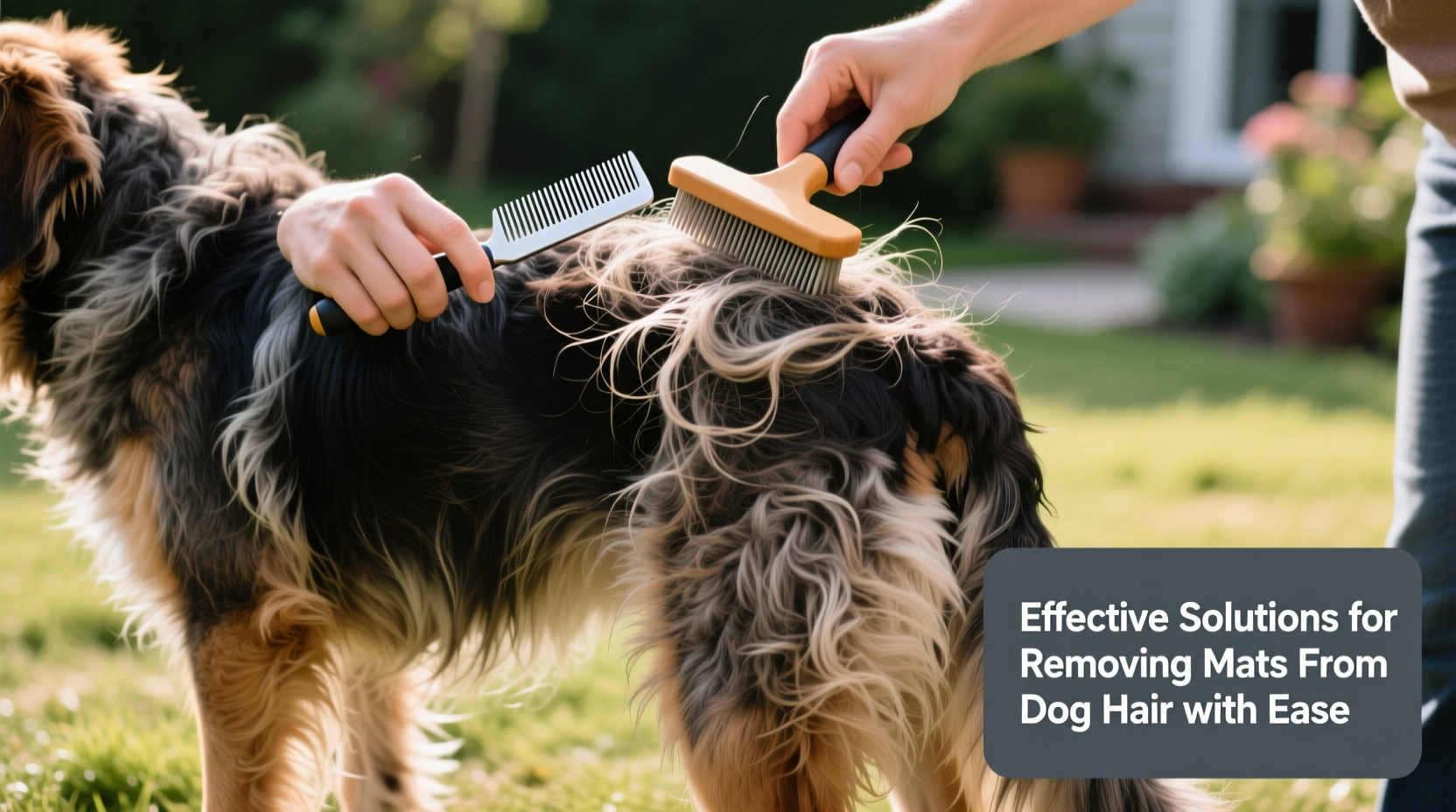
Mats are more than just cosmetic issues—they’re signs of underlying grooming neglect or environmental factors. Dogs with thick undercoats (like Huskies, Golden Retrievers, or Shih Tzus) are especially prone. Moisture, dirt, lack of brushing, and infrequent trimming all contribute to matting. Even short-haired dogs can develop localized mats if they have wiry textures or spend time in dense brush.
When hair layers shift during movement, they rub together and begin to twist. Over time, dead hair becomes trapped within live strands, creating tight clumps. These clumps pull on the skin, making them painful for your dog to touch. Early intervention is key to avoiding the need for full shaving or veterinary involvement.
Tip: Check your dog daily for small tangles, especially after walks or baths—early detection prevents major matting.Essential Tools for Mat Removal
Using the correct equipment makes a dramatic difference in both effectiveness and comfort for your dog. Avoid using household scissors, which pose a high risk of cutting the skin. Instead, invest in professional-grade grooming tools designed specifically for detangling.
| Tool | Purpose | Best For |
|---|---|---|
| Slicker Brush | Breaks up light tangles and removes loose undercoat | Daily maintenance on medium to long coats |
| Mat Splitter | Cuts through thick mats without touching skin | Severe or close-to-skin mats |
| Dematting Comb | Slides between layers to gently separate knots | Moderate mats on sensitive areas |
| Detangling Spray | Lubricates hair to reduce friction during brushing | All coat types before grooming sessions |
| Blunt-Tipped Scissors | Trims edges or loosens outer layers of large mats | Controlled cutting only; never insert into tight mats |
“Never rush the detangling process. A calm, patient approach ensures safety and builds trust between you and your dog.” — Dr. Lena Torres, DVM, Canine Dermatology Specialist
Step-by-Step Guide to Safely Remove Mats
Removing mats requires care, precision, and a steady hand. Follow this sequence to minimize pain and avoid injury:
- Assess the mat’s severity: Gently press around the mat. If it moves freely over the skin, it’s not yet attached. If it pulls the skin or feels cemented, seek professional help.
- Apply a detangling spray: Use a leave-in conditioner or specialized spray liberally on and beneath the mat. Let it soak for 3–5 minutes to loosen fibers.
- Hold the base of the mat: Pinch the section closest to the skin to prevent pulling as you work.
- Use a dematting comb: Insert the tip at the edge of the mat and gently saw back and forth to break internal bonds.
- Work from the outside in: Gradually shave down the outer layer of the mat before attempting deeper separation.
- Use a mat splitter if needed: Slide the curved blade under the mat and activate the cutter to slice through the core without touching skin.
- Brush thoroughly afterward: Once the mat is gone, use a slicker brush to smooth the area and catch any remaining snarls.
- Trim stubborn remnants: If a small knot remains but isn’t against the skin, carefully trim it with blunt-tipped scissors—never cut toward the body.
Prevention Checklist: Keep Mats from Returning
The best way to deal with mats is to prevent them before they start. Incorporate these habits into your regular pet care routine:
- Brush your dog at least 3–4 times per week (daily for long-haired breeds)
- Focus on high-friction zones: armpits, belly, behind ears, and tail base
- Bathe and dry your dog completely—wet fur tangles easily
- Trim long hair seasonally, especially in summer or high-humidity climates
- Use a conditioning spray after each bath to reduce static and tangling
- Check under collars, harnesses, and behind leg creases weekly
- Schedule professional grooming every 6–8 weeks
Real-Life Example: Managing Matting in a Senior Shih Tzu
Mrs. Alvarez adopted a 10-year-old Shih Tzu named Milo who had been neglected for months. Upon arrival, he had severe mats covering his chest, legs, and rear end. Attempting to brush them caused him visible distress. She consulted a groomer who advised against full clipping due to Milo’s thinning skin.
Instead, she began a gentle regimen: daily application of coconut-oil-based detangler, followed by 5-minute brushing sessions with a soft dematting comb. She worked on one small section per day, rewarding Milo with praise and treats. After three weeks, all mats were gone without a single cut. Now, bi-weekly brushing keeps his coat smooth, and Milo actually looks forward to grooming time.
This case shows that even advanced matting can be resolved humanely with consistency and the right method.
Do’s and Don’ts of Mat Removal
| Do’s | Don’ts |
|---|---|
| Use proper detangling tools designed for pets | Use kitchen scissors or sharp blades near the skin |
| Work slowly and reward calm behavior | Pull or yank on a mat aggressively |
| Moisturize the coat before brushing | Groom a wet or damp dog without drying first |
| Seek professional help for large or skin-bound mats | Try to remove severe mats at home without experience |
| Keep nails trimmed to avoid snagging fur | Ignore early signs of tangling |
Frequently Asked Questions
Can I use human conditioner on my dog to prevent mats?
No. Human products have different pH levels and may irritate your dog’s skin. Always use conditioners formulated specifically for dogs, preferably fragrance-free and hypoallergenic.
Is it better to cut off mats or try to brush them out?
If the mat is small and not touching the skin, brushing with proper tools is preferable. However, large, tight, or skin-adhered mats should be clipped by a professional groomer or veterinarian to avoid injury.
How often should I groom a long-haired dog to prevent mats?
Dogs with long or double coats should be brushed thoroughly at least every other day. Weekly bathing and conditioning, combined with regular trims, significantly reduce mat formation.
Conclusion: Make Grooming a Positive, Routine Experience
Removing mats from dog hair doesn’t have to be a battle. With the right tools, a patient mindset, and consistent care, you can keep your dog’s coat healthy, comfortable, and tangle-free. Remember, prevention is far easier than correction. Turn grooming into a bonding ritual—calm, rewarding, and structured—so your dog learns to enjoy it rather than fear it.
💬 Have a success story or favorite detangling trick? Share your experience below and help fellow pet owners maintain happy, mat-free dogs!








