
Bringing a new puppy into your home is an exciting milestone, but it also comes with responsibility. Puppies are eager to learn, but without proper guidance, their natural curiosity and energy can lead to destructive habits. The foundation you lay in the first few months shapes your dog’s behavior for life. Effective puppy training isn’t about dominance or punishment—it’s about consistency, positive reinforcement, and understanding canine psychology. With the right approach, you can raise a confident, well-mannered companion who fits seamlessly into your lifestyle.
1. Begin with Early Socialization (Weeks 8–16)
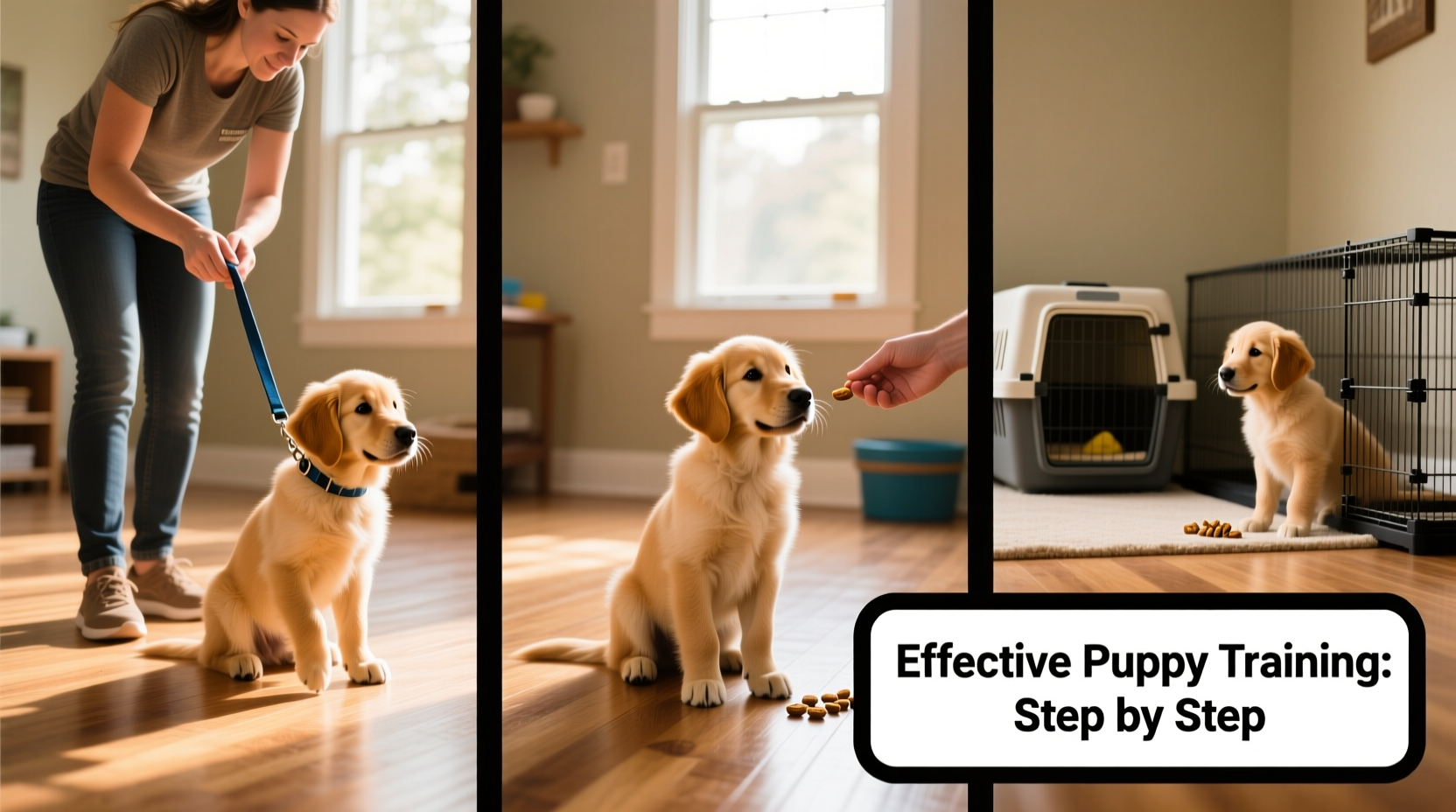
The first four months of a puppy’s life are critical for social development. During this window, puppies form impressions about people, animals, environments, and experiences that will influence their temperament for years. A poorly socialized puppy may grow into a fearful or reactive adult dog.
Start introducing your puppy to new sights and sounds gradually. Visit quiet parks, meet calm adults and children, and expose them to different surfaces like tile, grass, and gravel. Always keep these experiences positive—use treats, praise, and play to create happy associations.
Tip: Never force a puppy into a situation they fear. Let them approach new things at their own pace while offering gentle encouragement.Avoid high-risk areas like dog parks until vaccinations are complete, but controlled exposure at home or in safe settings is key. Enroll in a reputable puppy socialization class, which provides structured interaction under professional supervision.
2. Master Basic Commands Using Positive Reinforcement
Teaching basic obedience commands builds communication and trust between you and your puppy. Focus on five foundational commands: *sit*, *stay*, *come*, *down*, and *leave it*. These aren't just tricks—they’re essential tools for safety and daily management.
Use positive reinforcement: reward desired behaviors immediately with treats, praise, or toys. Timing is crucial—rewards must follow the action within seconds for the puppy to make the connection.
“Dogs don’t generalize well. If you only train in the kitchen, they won’t understand ‘sit’ in the backyard.” — Dr. Sophia Yin, Veterinary Behaviorist
Keep training sessions short (5–10 minutes) and frequent (3–4 times daily). End on a positive note, even if progress seems slow. Consistency across all family members ensures the puppy doesn’t become confused by mixed signals.
Step-by-Step Guide: Teaching “Sit”
- Hold a treat close to your puppy’s nose.
- Slowly move the treat upward so their head follows it, causing their bottom to lower.
- As soon as their rear touches the ground, say “sit” and give the treat.
- Repeat 5–10 times per session, gradually adding the verbal cue before the motion.
- Phase out the treat lure after 7–10 successful repetitions, using only the word and hand signal.
3. Establish a Predictable Routine
Dogs thrive on routine. A consistent schedule for feeding, potty breaks, play, and sleep reduces anxiety and prevents behavioral issues. Puppies especially benefit from structure, as it helps them anticipate what comes next and when they’re allowed to eliminate.
Feed your puppy at the same times each day—typically three times for young puppies, tapering to twice daily by six months. Take them outside after meals, naps, and play sessions. Use a specific phrase like “go potty” during elimination to create a verbal cue over time.
| Activity | Frequency | Best Practice |
|---|---|---|
| Potty Breaks | Every 1–2 hours + after eating/sleeping | Take to same spot; reward immediately after going |
| Training Sessions | 3–4 times daily | 5–10 minutes each; end positively |
| Exercise | Multiple short walks/play periods | Follow “one minute per week of age” rule (e.g., 12 weeks = 12 minutes) |
| Crate Time | For naps and overnight | Never use crate as punishment; keep it cozy and inviting |
4. Prevent Unwanted Behaviors Before They Start
It’s far easier to prevent bad habits than to correct them later. Nipping, chewing, jumping, and barking often stem from unmet needs—teething, excess energy, or attention-seeking.
Redirect inappropriate chewing by providing durable chew toys. When your puppy bites hands during play, yelp loudly to mimic a hurt littermate, then stop playing for 20 seconds. This teaches bite inhibition. For jumping, turn away and ignore the behavior—only give attention when all four paws are on the floor.
Do’s and Don’ts of Puppy Discipline
| Do | Don’t |
|---|---|
| Redirect unwanted behavior to appropriate alternatives | Yell, hit, or use physical punishment |
| Use time-outs (brief removal from stimulation) | Scold hours after the incident |
| Manage the environment (e.g., baby gates, leashes indoors) | Expect perfection too soon |
| Be consistent across all household members | Allow some people to permit behaviors others forbid |
5. Real-Life Example: Training Max, the Overexcited Labrador
Max, a 10-week-old yellow Labrador, was adopted by a young family. He loved everyone but became overly excited, jumping and nipping during greetings. His owners were inconsistent—one would push him down and yell, another would laugh and pet him, reinforcing the behavior.
A trainer recommended a unified approach: when Max jumped, everyone turned away silently until he calmed. They taught him to “sit” for attention and rewarded calm behavior with treats and affection. Within two weeks, Max learned that sitting—not jumping—got him what he wanted. By 16 weeks, he greeted guests politely and responded reliably to “sit” and “come.”
The key wasn’t stricter rules—it was clarity and consistency. Max wasn’t being “bad”; he was learning what worked. Once his humans aligned their responses, his behavior transformed.
Essential Puppy Training Checklist
- ✅ Vaccination schedule up to date
- ✅ Crate and safe space set up at home
- ✅ High-value treats (soft, pea-sized) ready
- ✅ Leash, collar, and ID tag purchased
- ✅ Puppy socialization class enrolled
- ✅ Daily routine established (feeding, potty, training)
- ✅ Chew toys and puzzle feeders available
- ✅ All family members trained on consistent commands
- ✅ No access to off-limit areas (baby gates used)
- ✅ Progress tracked in a simple journal or app
FAQ
How early can I start training my puppy?
You can begin training the day you bring your puppy home. Simple commands like “sit” and housebreaking can start at 8 weeks. Early training leverages their peak learning window and prevents bad habits from forming.
What if my puppy ignores me during training?
First, ensure you’re using high-value rewards—something more enticing than distractions. Train in low-distraction environments initially. If your puppy isn’t responding, the difficulty may be too high. Break the skill into smaller steps and increase challenges gradually.
Is crate training cruel?
No—when done correctly, crate training provides a secure den-like space dogs naturally prefer. Never use the crate for long confinement or punishment. Introduce it slowly with treats and toys, and keep sessions positive and brief at first.
Build a Lifelong Bond Through Patient Training
Effective puppy training isn’t a quick fix—it’s a commitment to clear communication, patience, and mutual respect. Every interaction shapes your puppy’s understanding of the world. By using science-backed techniques rooted in positive reinforcement, you’re not just teaching commands; you’re building confidence, reducing fear, and strengthening your bond.
Progress may feel slow at times, but small daily efforts compound into lasting results. Your puppy looks to you for leadership. Meet them with kindness, consistency, and purpose, and you’ll raise a dog who behaves well not out of fear, but because they trust and want to please you.
💬 Have a puppy training success story or challenge? Share your experience in the comments—your insights could help another pet parent on the same journey.








