
Skunk encounters are among the most unpleasant experiences pet owners face. The pungent musk released by a skunk can linger for days — or even weeks — if not treated properly. While commercial products exist, many contain harsh chemicals unsuitable for pets. Fortunately, several safe, effective, and fast-acting solutions can neutralize the odor at its source without harming your dog’s skin or coat.
The key to success lies in understanding how skunk spray works and choosing a method that breaks down the sulfur-based thiols responsible for the smell. Immediate action, proper dilution, and thorough rinsing are critical components of any successful de-skunking strategy.
Understanding Skunk Spray Chemistry
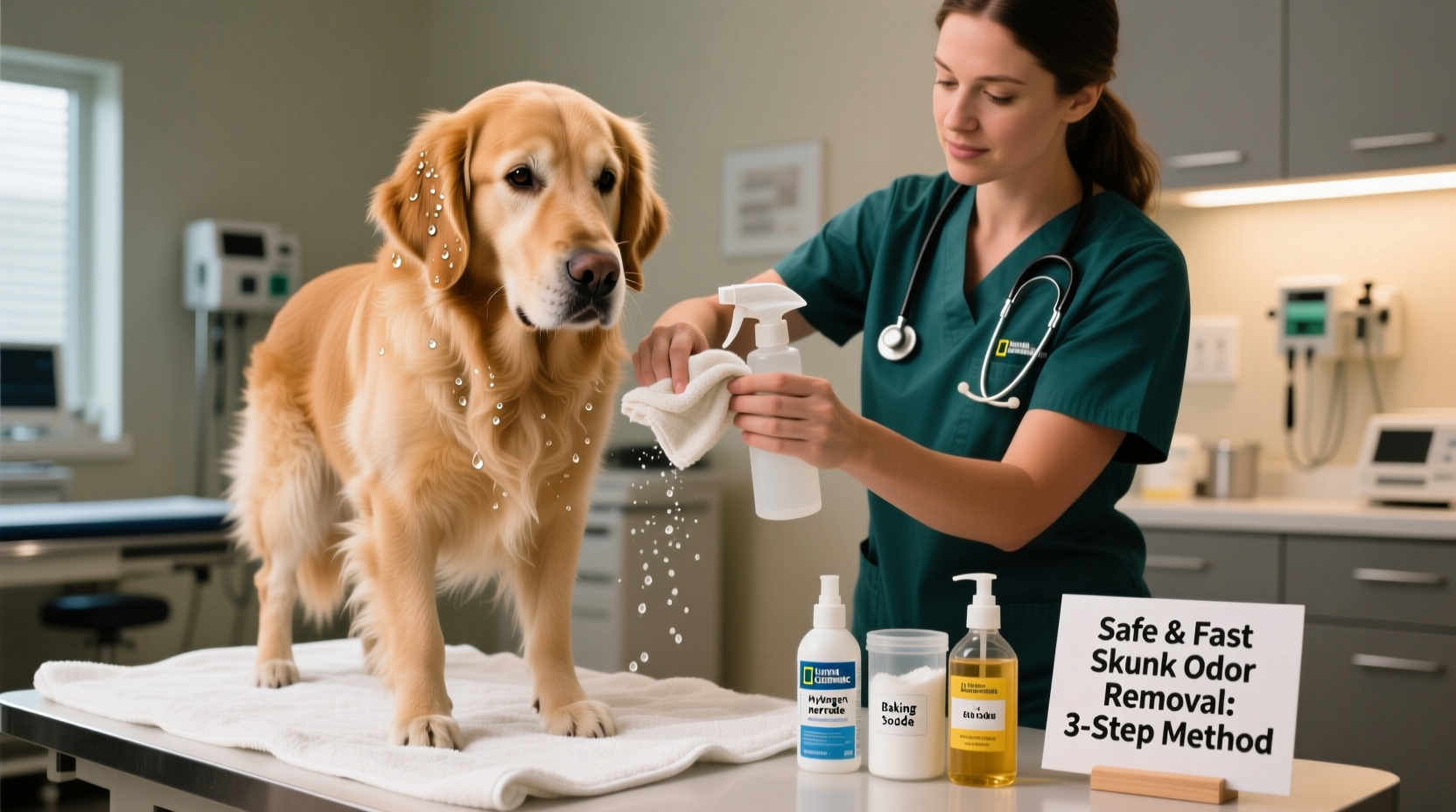
Skunk spray is composed primarily of volatile sulfur compounds called thiols, which bind strongly to proteins in fur, skin, and surfaces. These compounds are resistant to water and traditional soaps, which explains why regular bathing often fails to eliminate the odor.
Neutralizing the smell requires oxidation — a chemical process that alters the molecular structure of the thiols, converting them into odorless acids. This is why hydrogen peroxide-based solutions are widely recommended by veterinarians and animal shelters.
“Hydrogen peroxide reacts with thiols in skunk spray, breaking them down into non-volatile, odorless compounds. It’s one of the few methods that actually neutralizes the odor instead of masking it.” — Dr. Laura Chen, DVM, Veterinary Dermatology Specialist
Step-by-Step Guide: The Classic Skunk Odor Remedy
This widely tested formula, developed by chemist Paul Krebaum, effectively neutralizes skunk odor on contact. It’s safe for dogs when used correctly and is endorsed by humane societies across North America.
Tip: Prepare this solution fresh — do not store it in a sealed container, as it can build pressure and explode.- Mix 1 quart (32 oz) of 3% hydrogen peroxide (from a fresh bottle)
- Add ¼ cup (about 2 oz) of baking soda (sodium bicarbonate)
- Add 1 teaspoon of liquid dish soap (preferably fragrance-free)
- Stir gently until the baking soda dissolves — avoid vigorous mixing to prevent foaming
- Apply immediately to your dog’s wet fur, avoiding eyes, ears, and mouth
- Rub the solution thoroughly into the coat, especially around the face, tail, and underbelly
- Let it sit for 5 minutes — no longer, to prevent skin irritation
- Rinse completely with warm water
- Follow with a mild pet shampoo if desired, then towel dry
This mixture works within minutes. Most owners notice a dramatic reduction in odor after the first application. For heavy exposure, repeat once after 24 hours.
Do’s and Don’ts When Dealing with Skunk Spray
| Do’s | Don’ts |
|---|---|
| Act quickly — treat within 1–3 hours for best results | Use tomato juice — it masks but doesn’t neutralize the odor |
| Wear gloves to protect your hands during cleanup | Use bleach on your pet — it’s toxic and damages fur |
| Rinse eyes with saline if spray gets in them | Store the peroxide mix — it becomes unstable and ineffective |
| Wash collars, leashes, and bedding separately | Shampoo before applying the remedy — it reduces effectiveness |
| Keep your dog calm during treatment to reduce stress | Use undiluted vinegar directly on sensitive skin |
Alternative Safe Remedies for Sensitive Dogs
While the hydrogen peroxide solution is highly effective, it may not be suitable for puppies, senior dogs, or those with sensitive skin or open wounds. In such cases, consider these safer alternatives:
- Vinegar rinse: Mix 1 part white vinegar with 3 parts water. Apply to fur, let sit for 10 minutes, then rinse. Mildly effective for light exposure.
- Commercial enzymatic sprays: Products like Nature’s Miracle Skunk Odor Remover use enzymes to break down odor-causing compounds. Safe for repeated use and ideal for spot treatment.
- Ozone generators: Useful for deodorizing the environment (e.g., car interiors, crates), but never use while your dog is present.
- Baking soda paste: Combine baking soda with enough water to form a paste. Apply to affected areas, wait 15 minutes, then rinse. Helps absorb odor but less potent than oxidative treatments.
Real Example: A Successful De-Skunking at Home
In rural Pennsylvania, a Labrador named Max was sprayed near his face and chest during an evening walk. His owner, Sarah, acted within 45 minutes using the hydrogen peroxide method. She mixed the solution in a plastic bucket, applied it carefully with a sponge, and avoided his eyes using a washcloth barrier. After five minutes, she rinsed him thoroughly and followed with a gentle oatmeal shampoo.
Within two hours, houseguests commented they couldn’t detect any odor. Max showed no signs of discomfort, and his coat returned to normal within 24 hours. Sarah later washed his collar and favorite blanket in hot water with half a cup of baking soda — a crucial step often overlooked.
Checklist: What to Do Immediately After a Skunk Encounter
- Bring your dog indoors or to a contained outdoor area to prevent spreading odor
- Prevent your dog from rolling on the ground or licking their fur
- Gather supplies: hydrogen peroxide, baking soda, dish soap, gloves, towels
- Mix the de-skunking solution fresh — do not pre-make or store
- Apply solution thoroughly, focusing on heavily sprayed areas
- Rinse completely and dry your dog
- Wash all contaminated items: leash, collar, toys, bedding
- Monitor for signs of eye irritation, vomiting, or respiratory distress
- Contact your vet if symptoms persist beyond 24 hours
Frequently Asked Questions
Can skunk spray make my dog sick?
Yes, in rare cases. Skunk spray is a severe irritant. If inhaled in large amounts or ingested, it can cause nausea, vomiting, or temporary blindness. Prolonged exposure may lead to anemia in pets with pre-existing conditions. Seek veterinary care if your dog shows lethargy, difficulty breathing, or excessive drooling.
Is it safe to use this remedy on cats?
Cats are more sensitive to hydrogen peroxide due to their grooming habits and thinner skin. The standard recipe is not recommended for cats. Instead, use a vet-approved enzymatic cleaner or consult your veterinarian for a safe alternative.
Why does the smell come back after a few days?
Residual thiols can re-oxidize in humid conditions or if not fully neutralized. This “rebound” odor usually indicates incomplete treatment. Reapply the remedy, ensuring full coverage and adequate contact time. Also, wash all fabrics your dog contacted.
Conclusion: Act Fast, Stay Calm, and Neutralize the Source
Removing skunk odor from your dog doesn’t require expensive products or trips to the groomer. With a simple, science-backed solution and prompt action, you can eliminate the smell safely and effectively at home. The hydrogen peroxide-baking soda-dish soap mixture remains the gold standard for good reason — it works where others fail.
Remember, timing is everything. The sooner you act, the better your chances of complete odor removal. Keep the ingredients on hand if you live in skunk-prone areas, and familiarize yourself with the steps now — before an incident occurs.
💬 Have a skunk encounter story or a trusted tip? Share your experience in the comments to help fellow pet owners stay prepared and odor-free!








