Cat ownership brings joy, companionship, and comfort—but it also comes with responsibilities, including managing the inevitable odor from your cat’s litter box. Cat urine contains urea, uric acid, and other compounds that produce strong, lingering smells when broken down by bacteria. Left unaddressed, these odors can permeate carpets, baseboards, and even walls. The key to a fresh-smelling home isn’t just frequent scooping; it’s a strategic approach to neutralization, not masking. Understanding how cat urine behaves chemically and biologically allows you to choose the right cleaning agents and maintenance routines that truly eliminate odors at their source.
Understanding Why Cat Urine Smells So Strong
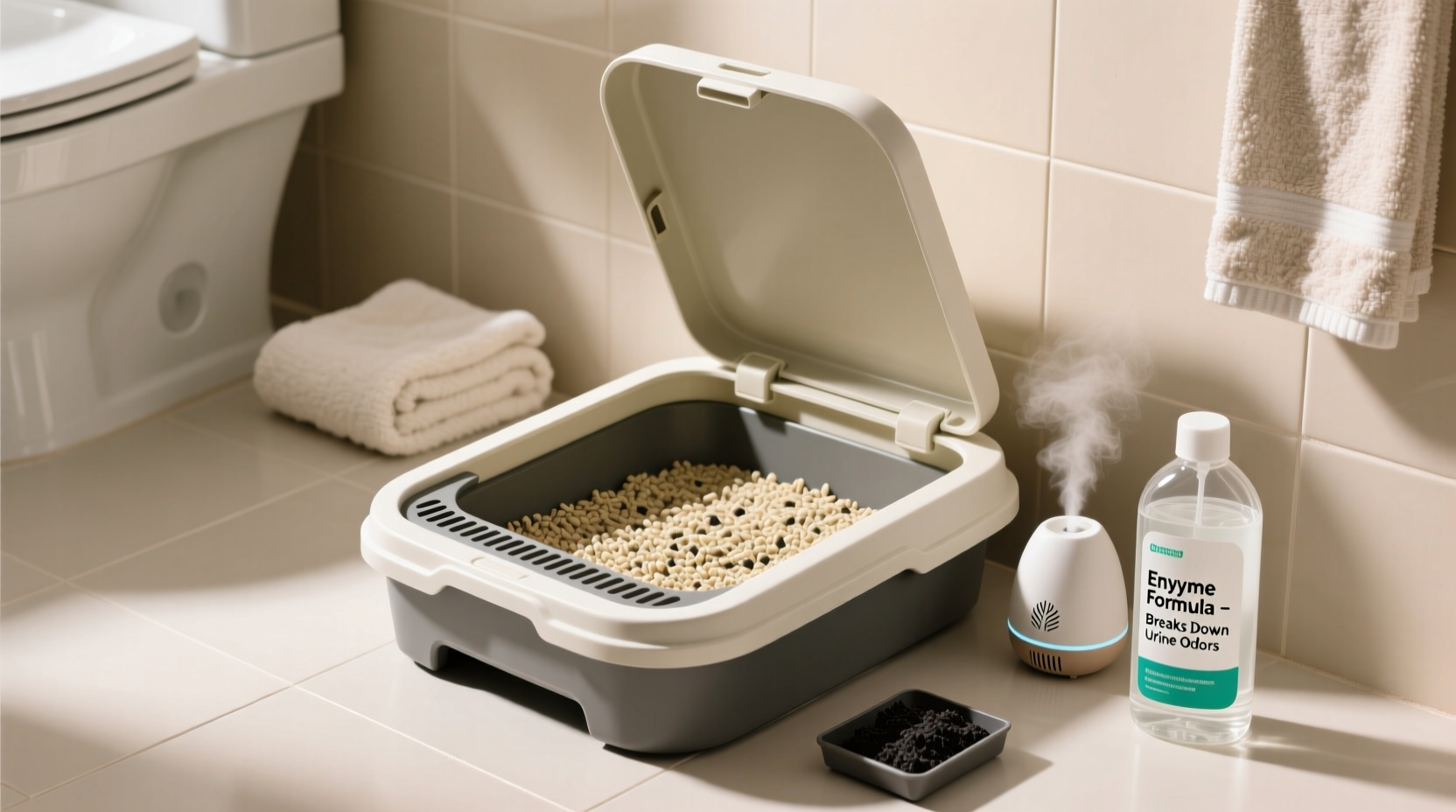
Cat urine is particularly pungent due to high concentrations of ammonia produced when urea breaks down. Additionally, cats excrete pheromones in their urine, which are naturally odor-causing compounds used for territorial marking. These chemicals bind to porous surfaces like litter trays, flooring, and nearby fabrics, making them difficult to remove with standard cleaning products. Most household cleaners merely mask the smell or temporarily reduce surface-level odor, but fail to break down uric acid crystals—meaning the scent returns when humidity rises or the area is disturbed.
To effectively neutralize cat urine, you must use solutions that either enzymatically digest organic waste or alter pH levels to inhibit bacterial growth. Vinegar, baking soda, and commercial enzyme cleaners each play distinct roles in this process, depending on the stage and severity of contamination.
Tip: Never use ammonia-based cleaners—they mimic the scent of urine and may encourage your cat to re-mark the area.Step-by-Step Guide to Deep Cleaning Your Litter Box
A thorough weekly deep clean prevents odor buildup and keeps your cat using the box consistently. Follow this timeline every 7–10 days, depending on usage:
- Empty the litter completely into a sealed bag and dispose of it outside.
- Rinse the box with warm water to remove residue.
- Wash with mild dish soap and a non-abrasive sponge. Avoid scented soaps that may repel your cat.
- Rinse thoroughly to ensure no soap remains—residue can irritate paws and deter use.
- Disinfect with a pet-safe solution: Mix equal parts white vinegar and water, spray inside the box, and let sit for 10 minutes before rinsing again.
- Air-dry completely before refilling—moisture traps odors and promotes bacterial growth.
- Add fresh litter (4–6 inches deep) and return the box to its usual location.
This routine disrupts odor cycles and removes biofilm—the slimy layer of bacteria that clings to plastic over time. Skipping disinfection or allowing dampness encourages microbial activity, undermining even the best litter choices.
Choosing the Right Litter for Odor Control
Not all litters are created equal when it comes to odor management. High-absorbency formulas slow the breakdown of urea, delaying ammonia release. Clumping clay, silica gel crystals, and plant-based litters (like those made from pine or corn) vary significantly in performance.
| Litter Type | Odor Control | Potential Drawbacks |
|---|---|---|
| Clay (bentonite) | Moderate – good clumping, average absorption | Dusty; less eco-friendly |
| Silica Gel Crystals | Excellent – absorbs moisture and traps odors | Expensive; some cats dislike texture |
| Pine Pellets | Good – natural enzymes help neutralize odors | May not clump well; requires more frequent changes |
| Walnut or Corn-Based | Very Good – biodegradable and naturally deodorizing | Potential allergens; variable availability |
For maximum effectiveness, pair odor-controlling litter with an open-top box placed in a well-ventilated area. Covered boxes trap smells and heat, accelerating bacterial action. If you have multiple cats, follow the “one box plus one” rule to prevent overcrowding and inappropriate elimination.
Expert Insight: Enzymatic Cleaners Are Essential
When dealing with accidental spills or older stains near the litter zone, enzymatic cleaners are the gold standard. Unlike chemical disinfectants, they contain live bacteria that consume uric acid, eliminating the root cause of the odor.
“Enzymatic cleaners don’t just cover up smells—they dismantle them at a molecular level. For any cat owner struggling with recurring odors, this is the single most important tool.” — Dr. Lena Reyes, DVM, Feline Behavior Consultant
Apply enzymatic solutions directly to affected areas after blotting excess liquid. Allow 12–24 hours for full activation, and avoid using steam cleaners or UV lights beforehand, as heat can denature the enzymes.
Tip: Test enzymatic cleaners on a small, hidden area first—some formulations may discolor certain materials.Mini Case Study: Resolving Persistent Bathroom Odors
Sarah, a cat owner in Portland, noticed her bathroom developed a persistent ammonia smell despite daily scooping. She cleaned the box weekly with bleach but saw no improvement. After consulting a veterinary technician, she learned that bleach reacts with ammonia to create toxic fumes and doesn’t break down uric acid crystals.
She switched to a regimen using vinegar rinses and began using a silica crystal litter. She also replaced her old plastic box, which had microscopic cracks harboring bacteria. Within two weeks, the odor disappeared. Her cats showed no behavioral changes, indicating the new setup was acceptable. This case highlights how outdated cleaning practices can undermine even diligent care.
Checklist: Weekly Litter Maintenance Routine
- ☑ Scoop solid waste and clumps at least once daily
- ☑ Replace 20–30% of litter mid-week if needed
- ☑ Perform full litter box wash every 7–10 days
- ☑ Inspect box for cracks or scratches where bacteria can hide
- ☑ Wipe surrounding floor and walls with pet-safe disinfectant
- ☑ Ensure ventilation in the room (open door or fan)
- ☑ Store extra litter in airtight containers away from humidity
Frequently Asked Questions
Can baking soda eliminate cat urine odor?
Yes—baking soda is alkaline and helps neutralize acidic components in urine. Sprinkle it at the bottom of the clean, dry litter box before adding litter for added odor absorption. However, it should complement, not replace, enzymatic cleaning of spills.
How often should I replace the entire litter box?
Plastic litter boxes degrade over time. Scratches and microfractures harbor bacteria and become impossible to fully sanitize. Replace the box every 6–12 months, or sooner if it shows visible wear, staining, or persistent smells after cleaning.
Is it safe to use vinegar around pets?
Yes, diluted white vinegar (1:1 with water) is safe and effective for cleaning litter boxes and nearby surfaces. The smell dissipates quickly and does not harm cats when used properly. Avoid concentrated acetic acid or essential oil blends, which can be toxic.
Conclusion: Take Action for a Cleaner, Fresher Home
Neutralizing cat urine odor isn’t about overpowering scents with perfumes—it’s about understanding chemistry, consistency, and cat behavior. By combining proper litter selection, enzymatic cleaning, and a disciplined maintenance schedule, you can maintain a hygienic, odor-free environment that both you and your cat will appreciate. Don’t settle for temporary fixes. Invest in long-term solutions that protect your home and support your pet’s health. Start today: empty that litter box, inspect for wear, and commit to a smarter cleaning routine.
💬 Have a tip that worked wonders for your home? Share your experience in the comments and help fellow cat owners breathe easier!








