Canvas dog leashes and collars are popular among pet owners for their strength, breathability, and classic appearance. However, regular use exposes them to dirt, sweat, saliva, mud, and bacteria—especially if your dog enjoys outdoor adventures. Over time, neglecting proper care can lead to fraying, odor buildup, mold, and weakened stitching, shortening the lifespan of these essential accessories. A consistent cleaning and maintenance routine not only keeps your gear looking fresh but also ensures your dog’s comfort and safety during walks.
The Importance of Regular Deep Cleaning
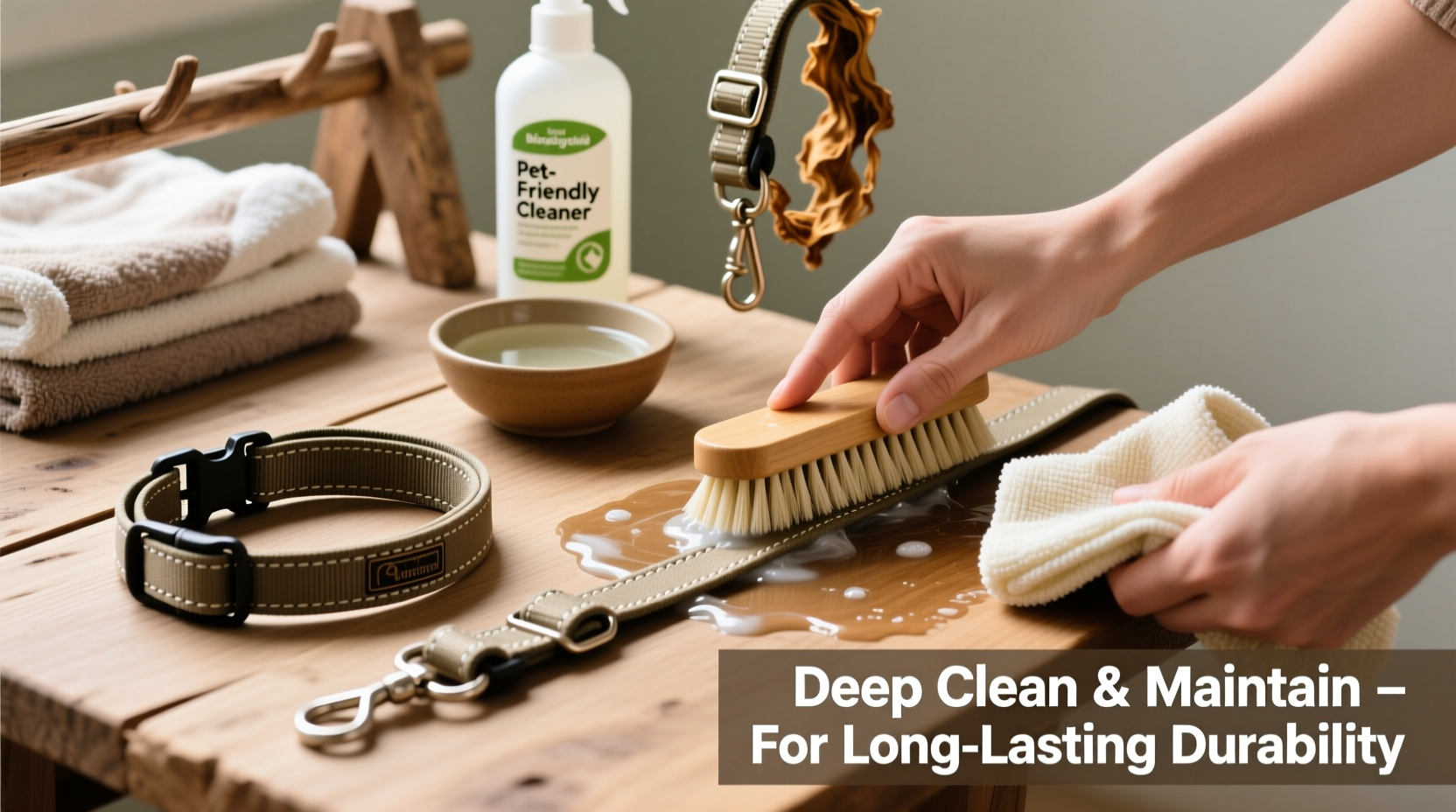
Unlike metal or leather accessories, canvas is a porous fabric that absorbs moisture and grime quickly. While surface wiping may suffice between uses, periodic deep cleaning is crucial to remove embedded contaminants. Failure to do so can result in:
- Unpleasant odors caused by bacterial growth
- Frayed fibers from trapped grit weakening the weave
- Mold or mildew in damp storage environments
- Irritated skin or allergies in dogs with sensitive necks
- Premature wear on hardware such as buckles and D-rings
Deep cleaning restores functionality and hygiene while preserving structural integrity. When done correctly, it extends the life of canvas gear by years, making it a cost-effective and responsible practice for conscientious pet owners.
Tip: Clean your leash and collar every 4–6 weeks with moderate use, or immediately after exposure to mud, seawater, or heavy rain.Step-by-Step Guide to Deep Cleaning Canvas Leashes and Collars
A thorough cleaning process removes debris without damaging the material. Follow this detailed sequence for optimal results:
- Inspect for Damage: Check for loose stitching, cracked hardware, or frayed edges. Repair minor issues before washing to prevent further deterioration.
- Remove Hardware (if possible): Some collars allow detachment of buckles or tags. If removable, take them off to avoid corrosion during washing.
- Dry Brush First: Use a stiff-bristled brush to scrub away dried mud and loose particles from the surface and crevices.
- Soak in Warm Soapy Water: Fill a basin with warm water and add a small amount of mild detergent (e.g., Woolite or pet-safe soap). Submerge the items for 15–30 minutes.
- Scrub Gently: Using a soft brush or sponge, work over the entire surface, paying attention to areas near snaps and loops where grime accumulates.
- Rinse Thoroughly: Rinse under cool running water until no suds remain. Residual soap can attract dirt and irritate your dog’s skin.
- Air Dry Completely: Lay flat on a clean towel in a well-ventilated area, away from direct sunlight or heat sources. Avoid wringing or twisting, which can distort the shape.
- Reassemble and Test: Once fully dry (usually within 12–24 hours), reattach hardware and inspect for restored function and cleanliness.
Never machine wash or tumble dry canvas leashes and collars unless explicitly labeled as safe by the manufacturer. The agitation and heat can degrade fibers and compromise stitching.
Do’s and Don’ts of Canvas Care
| Do’s | Don’ts |
|---|---|
| Use pH-neutral or pet-safe detergents | Use bleach or ammonia-based cleaners |
| Brush regularly to prevent dirt buildup | Soak for more than 2 hours (can weaken fibers) |
| Store in a dry, ventilated space | Leave wet gear in a closed bag or car trunk |
| Check stitching monthly | Machine wash or dry unless specified |
| Apply fabric protector spray after drying | Expose to prolonged UV sunlight |
“Regular maintenance isn’t just about appearance—it’s about safety. A compromised leash could fail at a critical moment.” — Dr. Lena Torres, Veterinary Behaviorist & Pet Product Safety Consultant
Maintenance Checklist for Long-Term Durability
To keep your canvas dog gear in top condition, follow this monthly maintenance checklist:
- ✅ Inspect for fraying, weak seams, or rusted hardware
- ✅ Perform light wipe-down with damp cloth after each muddy walk
- ✅ Deep clean every 4–6 weeks (more often in rainy seasons)
- ✅ Air dry completely before storing
- ✅ Rotate between multiple collars/leashes to reduce wear
- ✅ Store in a breathable cotton bag or open shelf
- ✅ Reapply water-resistant fabric protector every 2–3 months
Rotating between two sets of collars and leashes allows each item time to rest and air out, reducing cumulative stress on materials. This simple habit significantly increases longevity.
Real Example: How Proper Care Saved a Beloved Leash
Sarah from Portland adopted a rescue Labrador named Max who loved hiking through streams and forests. Within three months, his once-bright blue canvas leash was stained, stiff, and smelled musty. Instead of replacing it, Sarah followed a deep-cleaning protocol similar to the one outlined here. After soaking, gentle scrubbing, and air drying, the leash regained its flexibility and color. She began rotating it with a backup leash and wiping it down weekly. Two years later, both leashes remain functional and odor-free—proving that consistent care pays off even under rugged conditions.
Tip: Add a few drops of tea tree oil to the rinse water for natural antibacterial and deodorizing effects (ensure full rinsing to avoid skin irritation).Frequently Asked Questions
Can I use vinegar to clean my dog’s canvas collar?
Yes, diluted white vinegar (1 part vinegar to 4 parts water) can be used as a natural disinfectant during the soaking phase. It helps eliminate odors and break down organic residue. Always follow with a thorough rinse and never use undiluted vinegar directly on the fabric.
How do I remove mildew stains from a canvas leash?
For mildew, create a paste using baking soda and a little water. Apply it to the affected area and gently scrub with a soft brush. Let sit for 15 minutes, then rinse thoroughly. Repeat if necessary. Prevent recurrence by ensuring complete drying before storage.
Is it safe to use fabric softener on canvas dog gear?
No. Fabric softeners coat fibers with chemicals that reduce absorbency and breathability. They can also trap odors over time and degrade the tensile strength of canvas. Stick to mild, fragrance-free detergents instead.
Conclusion: Make Maintenance a Habit, Not a Chore
Canvas dog leashes and collars are durable, but they require thoughtful care to fulfill their potential. By integrating deep cleaning into your pet care routine and following best practices for drying, storage, and inspection, you protect your investment and ensure your dog’s safety on every outing. These accessories are more than fashion statements—they’re tools that connect you to your pet. Treat them with the same attention you give to your own outdoor gear, and they’ll serve you reliably for years.
💬 Have a favorite cleaning hack or product that works for your pet’s gear? Share your experience in the comments and help fellow pet owners extend the life of their canvas essentials!








