
Cloudy aquarium water is one of the most common frustrations for fishkeepers, whether you're a beginner or have years of experience. While occasional cloudiness might seem harmless, persistent murkiness can signal underlying issues that threaten aquatic life. The good news is that with the right knowledge and consistent care, you can not only clear up hazy water but also prevent it from returning. This guide breaks down the science behind cloudy water, identifies root causes, and delivers actionable solutions to ensure your tank stays pristine for months—or even years.
Understanding the Causes of Cloudy Water
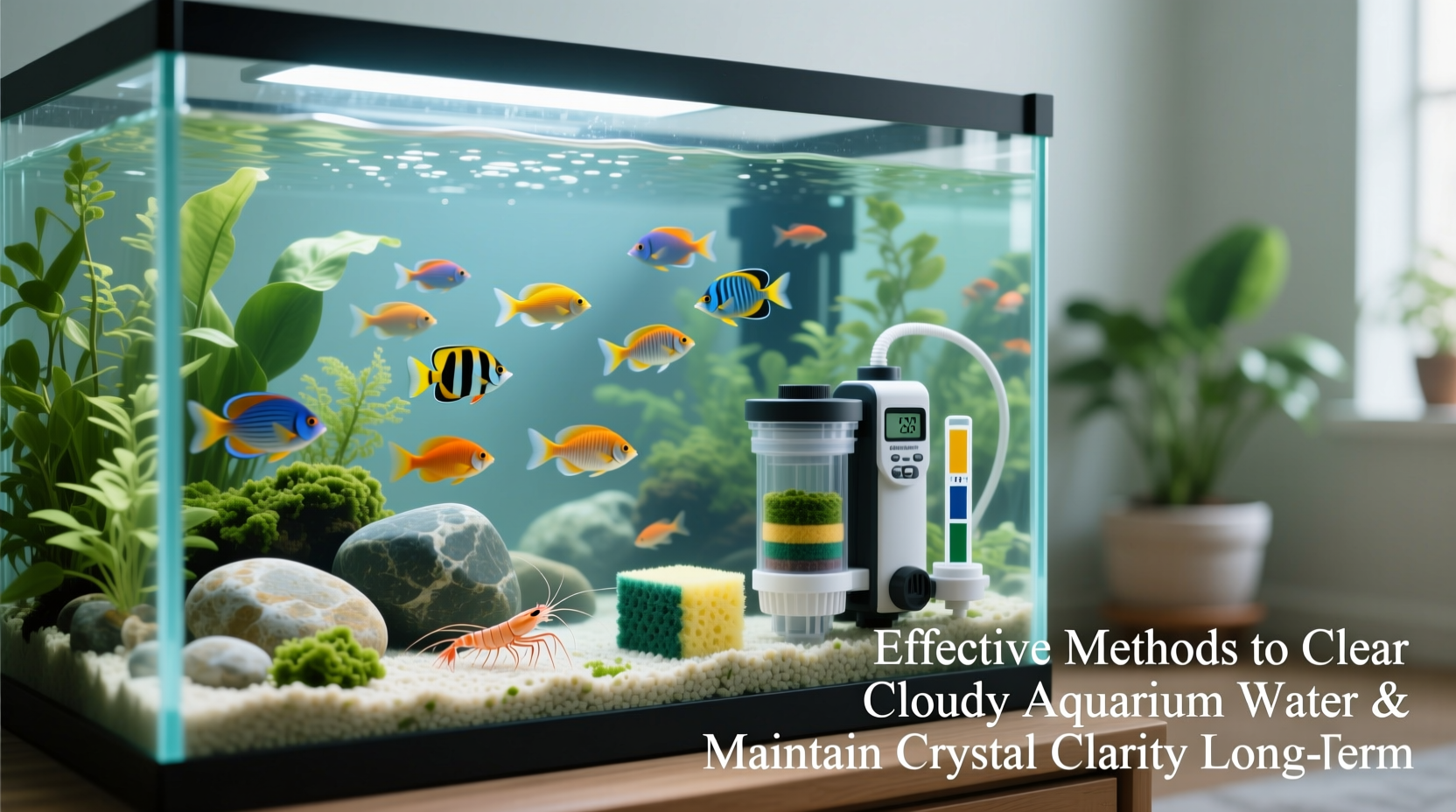
Before treating cloudy water, it’s essential to identify its cause. Different types of cloudiness point to different problems:
- White or grayish cloudiness: Often caused by a bacterial bloom, especially in new tanks during the nitrogen cycle. These microbes multiply rapidly when organic waste accumulates.
- Green-tinted water: A sign of algae overgrowth, typically triggered by excessive light exposure or high nutrient levels (nitrates and phosphates).
- Yellow or brown haze: Usually due to tannins leaching from driftwood or decomposing plant matter, though sometimes from poor filtration or dissolved organic compounds.
Each type requires a tailored approach. Misdiagnosing the issue—like using an algaecide for bacterial bloom—can worsen the problem.
“Water clarity isn’t just cosmetic—it’s a direct reflection of ecosystem balance. Addressing the cause, not just the symptom, is key.” — Dr. Lena Torres, Aquatic Biologist
Step-by-Step Guide to Clear Cloudy Water
Follow this structured process to diagnose and resolve cloudy water effectively:
- Test Your Water Parameters: Use a liquid test kit to check ammonia, nitrite, nitrate, pH, and phosphate levels. Elevated ammonia or nitrite often correlates with bacterial blooms.
- Inspect Lighting Duration: If the water is green, assess how many hours your lights are on. More than 8–10 hours daily can fuel algae growth.
- Perform a Partial Water Change: Replace 25–50% of the tank water with dechlorinated water. This dilutes excess nutrients and removes free-floating particles.
- Clean or Replace Filter Media: Rinse mechanical filter pads in old tank water (not tap water, which kills beneficial bacteria). Replace chemical media like activated carbon if it's past its lifespan.
- Vacuum the Substrate: Use a gravel vacuum to remove detritus, uneaten food, and fish waste trapped at the bottom.
- Reduce Feeding Temporarily: Overfeeding contributes to nutrient buildup. Feed only what fish consume in 2 minutes, once or twice daily.
- Introduce Clarifiers (if needed): For persistent physical cloudiness, use a flocculating agent that clumps fine particles for easier filtration.
Long-Term Prevention Strategies
Clearing cloudy water is only half the battle. Sustained clarity depends on proactive maintenance and balanced tank ecology.
Optimize Filtration
Your filter is the backbone of water quality. Ensure it’s appropriately sized for your tank volume—aim for a turnover rate of at least 4x the tank capacity per hour. For example, a 50-gallon tank needs a filter rated for 200 GPH or more. Combine mechanical, biological, and chemical filtration for comprehensive results.
Control Light Exposure
Limit aquarium lighting to 6–8 hours per day. Use a timer to maintain consistency. Avoid placing the tank in direct sunlight, which accelerates algae growth. If you have live plants, consider full-spectrum LED lights with adjustable intensity.
Maintain a Clean Substrate
Detritus buildup fuels both bacterial blooms and algae. Vacuum the substrate weekly during water changes. In heavily stocked tanks, bi-weekly cleaning may be necessary.
Monitor Fish Load and Feeding
Overstocking increases waste production. Follow the “one inch of fish per gallon” rule as a rough guideline, adjusting for species activity and waste output. Remove any uneaten food after 5 minutes.
Incorporate Natural Cleaners
Add algae-eating species such as nerite snails, Amano shrimp, or otocinclus catfish. They help manage biofilm and microalgae without disrupting the ecosystem.
Do’s and Don’ts Table
| Do’s | Don’ts |
|---|---|
| Perform weekly 25% water changes | Change all the water at once |
| Rinse filter media in used tank water | Clean filters with tap water (kills beneficial bacteria) |
| Use activated carbon or Purigen for chemical filtration | Overuse chemical additives without testing first |
| Test water weekly | Ignore early signs of cloudiness |
| Feed small portions once or twice daily | Overfeed to see fish eat (leads to excess waste) |
Real Example: Resolving a Persistent Bacterial Bloom
Mark, a hobbyist with a 30-gallon freshwater community tank, noticed persistent milky water two weeks after setup. Despite daily water changes, the cloudiness returned. He tested the water and found high ammonia (1.5 ppm) and zero nitrites—a classic sign of cycling bacteria multiplying.
Instead of increasing water changes (which disrupted developing colonies), he stopped feeding for 48 hours, ensured his filter was running continuously, and added a seeded bio-media booster. Within five days, ammonia dropped to 0.25 ppm, and the water cleared. Mark now tests weekly and performs 30% water changes every Sunday—his tank has remained crystal clear for six months.
Essential Maintenance Checklist
Use this checklist monthly to maintain optimal water clarity:
- ✅ Test water for ammonia, nitrite, nitrate, and pH
- ✅ Perform a 25–30% water change
- ✅ Vacuum substrate thoroughly
- ✅ Rinse mechanical filter media in tank water
- ✅ Check lighting duration and intensity
- ✅ Inspect for decaying plant matter or uneaten food
- ✅ Verify filter flow rate (no sluggish output)
- ✅ Wipe down glass interior to prevent algae buildup
Frequently Asked Questions
How long does it take for cloudy water to clear naturally?
Bacterial blooms in new tanks typically resolve within 7–14 days as beneficial bacteria establish. Algae-related cloudiness may take longer unless light and nutrients are controlled. Active intervention—like water changes and improved filtration—can shorten this period significantly.
Can I use bottled bacteria to speed up clearing?
Yes. High-quality bacterial supplements can accelerate the cycling process and outcompete free-floating bloom-causing microbes. Choose products with live, strain-specific cultures like Nitrosomonas and Nitrobacter, and follow dosing instructions carefully.
Is cloudy water dangerous to fish?
Not always, but it can be. Bacterial blooms often coincide with high ammonia, which is toxic. Green water from algae usually isn’t harmful directly, but oxygen levels can drop at night when algae respire. Chronic cloudiness stresses fish, weakening their immune systems over time.
Conclusion: Achieve Lasting Clarity Through Consistency
Crystal-clear aquarium water isn’t achieved overnight—it’s the result of understanding your tank’s ecosystem and maintaining disciplined care routines. Whether battling a bacterial surge, controlling algae, or managing organic debris, the solution lies in accurate diagnosis and sustainable habits. By combining proper filtration, regular maintenance, and mindful stocking, you create an environment where clarity isn’t the exception, but the norm.
🚀 Start today: Pick one area—your filter, feeding routine, or water change schedule—and optimize it. Small, consistent actions lead to transformative results. Share your progress or questions in the comments below and join a community committed to healthier, clearer aquariums.








