Simulation pony plush toys—often referred to as \"fursuits\" or \"animatronic plushes\"—combine soft, lifelike exteriors with internal mechanical components that allow for movement, sound, or responsive behavior. These advanced plush toys are more than just playthings; for many owners, they represent cherished companions or collectibles. However, their complexity makes cleaning a delicate process. Improper care can damage motors, wiring, or fabric integrity. This guide provides a comprehensive approach to maintaining hygiene, freshness, and longevity in your simulation pony plush while preserving both appearance and functionality.
Understanding Your Simulation Pony’s Construction
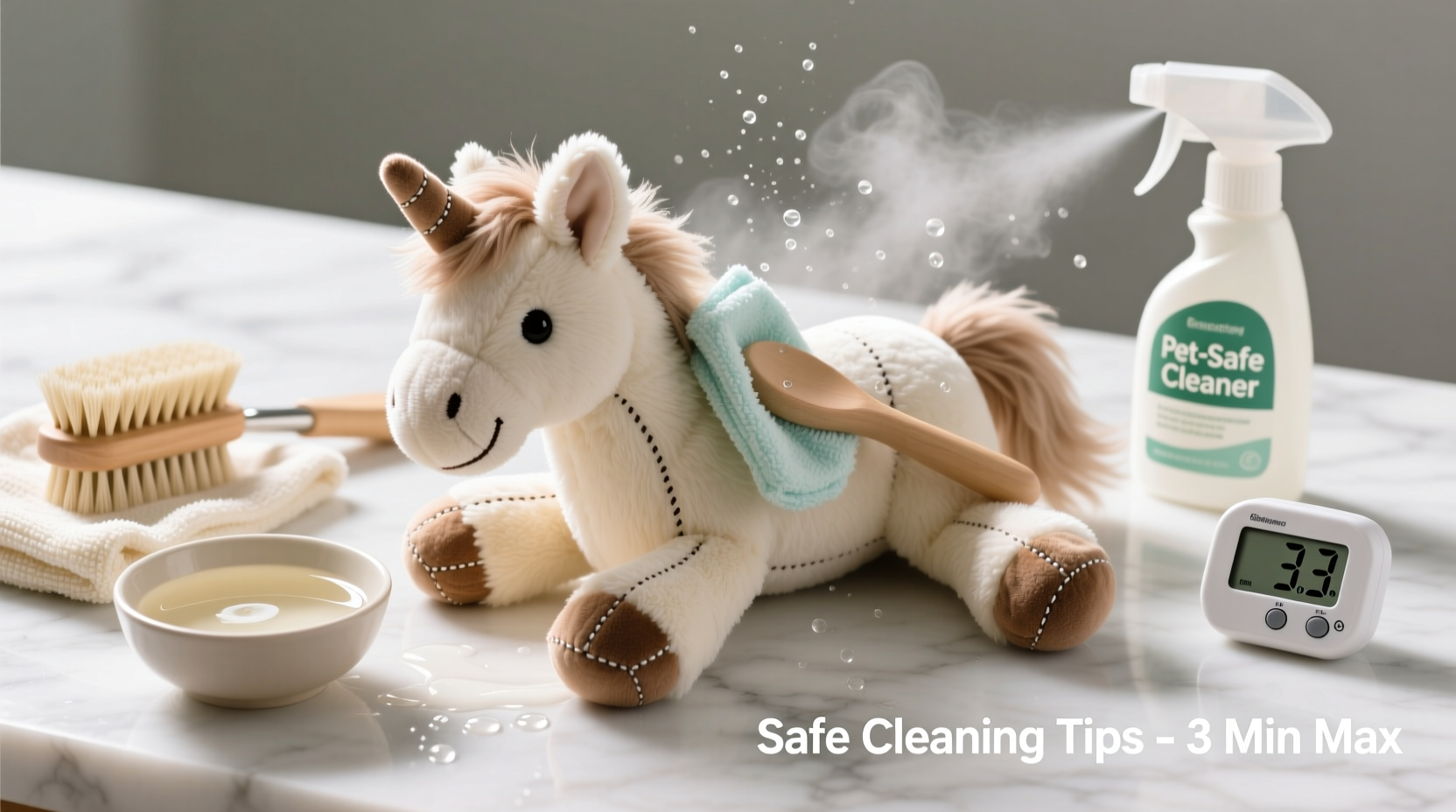
Before any cleaning begins, it's essential to understand the anatomy of your plush. Most simulation ponies consist of multiple layers:
- Outer Fabric Layer: Typically made from high-quality synthetic fur (e.g., mohair, alpaca, or modacrylic), designed to mimic real horse hair.
- Inner Padding: Polyester fiberfill or foam used for shape retention and softness.
- Electronics Module: Includes motors, sensors, speakers, batteries, and wiring embedded in the head, neck, or torso.
- Joint Mechanisms: Often located in legs or neck, enabling motion through servo systems.
Cleaning must avoid moisture exposure to electronic zones, which are rarely waterproof. Even minimal water seepage can cause short circuits, corrosion, or permanent failure. Always consult the manufacturer’s care instructions if available. When in doubt, assume electronics are not water-resistant.
Tip: Use a flashlight to inspect seams and openings where dirt accumulates—especially around ears, mouth, and joints.Step-by-Step Guide: Safe Surface Cleaning
Daily interaction leads to oil buildup, dust, and odor absorption in the fur. Regular surface maintenance prevents deep contamination. Follow this timeline for consistent upkeep:
- Dry Brushing (Weekly): Use a pet slicker brush or wide-tooth comb to detangle fur and lift surface debris. Work in the direction of the hair growth to minimize pulling.
- Spot Cleaning (Bi-weekly): For visible stains on non-electronic areas, use a slightly damp microfiber cloth with a 1:4 solution of mild detergent (like Woolite) and distilled water. Gently dab—never rub—to avoid fiber matting.
- Air Refreshing (Monthly): Hang the plush in a well-ventilated room away from direct sunlight. Place an open box of baking soda nearby to absorb odors naturally.
- Deep Fur Maintenance (Every 3–6 Months): Perform a full dry-cleaning method using cornstarch or specialized plush-safe powder. Sprinkle lightly, massage into fur, then thoroughly brush out after 15 minutes.
Never submerge the entire toy or use steam cleaners. Moisture wicking into seams can reach internal components even if surfaces appear dry.
Do’s and Don’ts: Handling Electronics and Sensitive Areas
| Action | Do | Don’t |
|---|---|---|
| Cleaning near electronics | Use a dry cotton swab or compressed air to remove dust from crevices | Apply liquids or sprays directly near ports or joints |
| Odor removal | Place sachets of activated charcoal inside a breathable storage bag | Spray perfumes or alcohol-based deodorizers on fur |
| Drying after spot treatment | Blot with dry towel and allow air-dry at room temperature for 24 hours | Use hairdryers, heaters, or direct sun to speed drying |
| Storage between uses | Store upright or lying flat in a climate-controlled space with good airflow | Compress under heavy objects or fold limbs unnaturally |
Real Example: Reviving a Long-Term Stored Plush
Sarah had stored her simulation pony, “Stormdancer,” in a closet for nearly a year. Upon retrieval, she noticed musty odor, flattened fur around the neck, and sluggish motor response. Instead of powering it on immediately, she followed a cautious revival protocol:
- First, she brushed the fur daily for three days using a soft-bristle brush to restore loft.
- She placed two silica gel packs inside the chest cavity (accessed via a discreet zipper) to reduce internal humidity.
- After ensuring no moisture remained, she wiped facial sensors with a dry isopropyl-alcohol-dampened swab (99% concentration, applied sparingly).
- Only after 72 hours of airing did she attempt to power the unit—and found full responsiveness restored.
This case underscores the importance of patience and moisture control when reactivating stored units.
“Many electronic plush failures stem not from wear, but from trapped moisture accelerating corrosion. A week of careful airing prevents months of repair.” — Dr. Lin Wei, Robotics Durability Researcher at Kyoto Institute of Soft Mechatronics
Checklist: Monthly Maintenance Routine
To keep your simulation pony looking and functioning its best, follow this monthly checklist:
- ✅ Inspect all seams and attachment points for loose stitching
- ✅ Brush fur thoroughly to prevent matting
- ✅ Clean external sensors and speaker grilles with dry tools
- ✅ Test all movements and sounds to identify early performance drops
- ✅ Wipe battery compartment contacts (if accessible) with a dry cloth
- ✅ Rotate storage position to prevent permanent indentations
- ✅ Replace desiccant packs or renew baking soda odor absorbers
Frequently Asked Questions
Can I wash the outer fur with shampoo?
No standard shampoos should be used. Water-based washing risks soaking padding and electronics. If deep cleaning is necessary, use a professional dry-cleaning powder formulated for synthetic fibers. Apply only to small sections at a time and brush out completely.
How do I remove a sticky residue from the nose area?
Use a tiny amount of medical-grade adhesive remover (such as Debond) on a cotton swab. Avoid acetone or nail polish remover, which can degrade silicone or painted surfaces. Test on an inconspicuous area first.
Is it safe to vacuum the plush?
Only with extreme caution. Use the lowest suction setting and attach a nylon stocking over the nozzle to diffuse airflow and prevent fur pull-out. Never press directly onto delicate features like eyes or ears.
Final Care Considerations for Longevity
The lifespan of a simulation pony plush depends heavily on preventive care. Exposure to extreme temperatures, high humidity, and prolonged pressure can degrade both fabric and mechanics over time. Keep the plush away from radiators, windowsills, and humid basements. When transporting, support the body evenly rather than carrying by limbs or head.
Additionally, consider creating a digital log of maintenance dates, battery replacements, and firmware updates (if applicable). This record helps track performance trends and supports warranty claims or professional servicing.
Just like caring for a high-end electronic device wrapped in premium fabric, your approach should balance gentleness with consistency. With proper attention, these intricate plush companions can remain functional and visually appealing for many years.
💬 Have you successfully revived a neglected simulation plush? Share your story in the comments—your experience could help others preserve their beloved companions!








