Dog bandanas are more than just fashion statements—they’re functional accessories that protect against dirt, absorb drool, and express your pet’s personality. The plaid pattern, in particular, remains a timeless favorite among pet owners for its classic charm and versatility. However, frequent wear exposes these fabrics to sweat, saliva, outdoor grime, and allergens. Without proper care, a once-vibrant bandana can fade, develop odors, or even irritate your dog’s skin. Maintaining freshness isn’t just about appearance; it’s about hygiene, fabric longevity, and your pet’s comfort. The good news is that with the right techniques, you can keep your dog’s plaid bandana looking sharp and feeling soft wash after wash.
Understanding Fabric Types and Care Labels
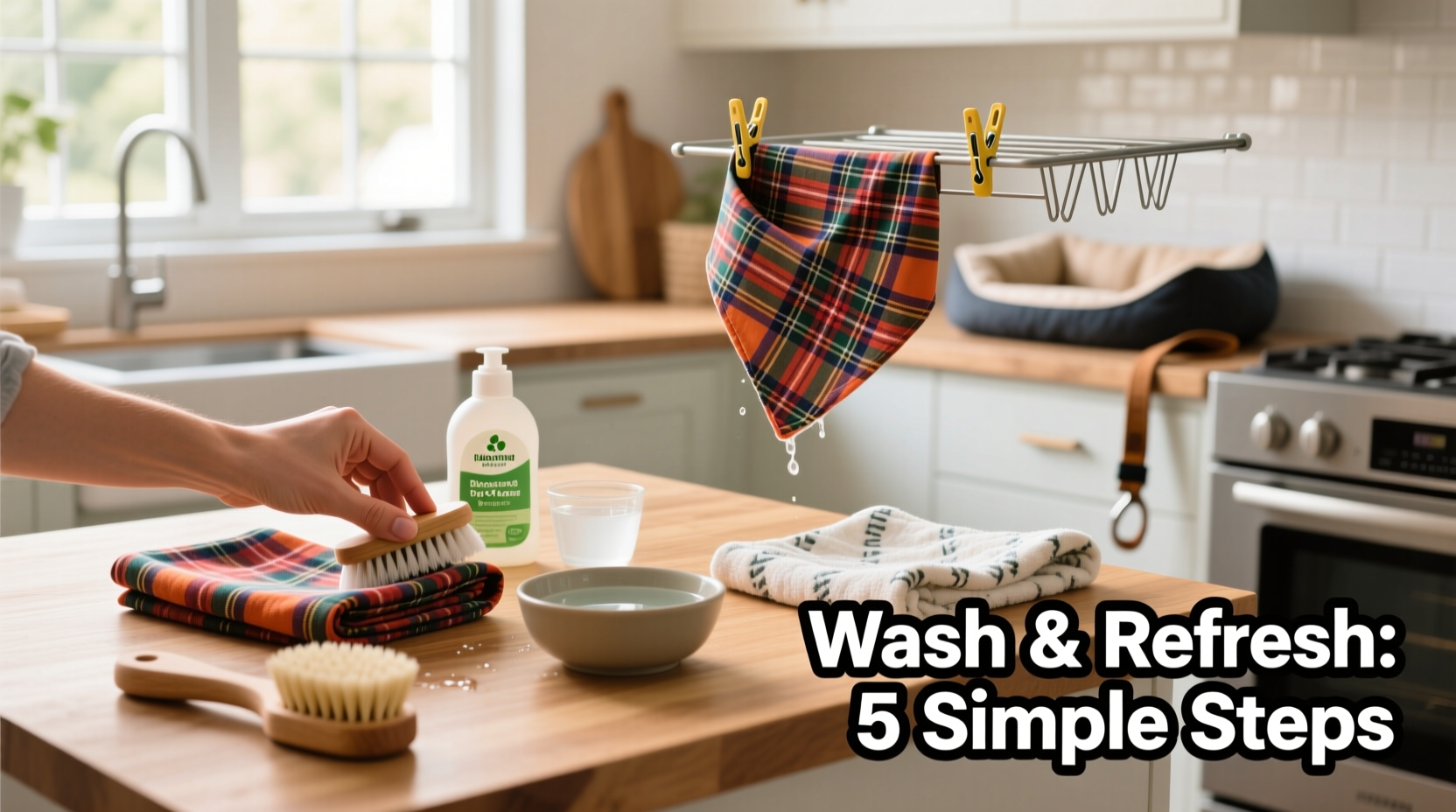
Not all plaid dog bandanas are created equal. Materials vary widely—from cotton and polyester blends to flannel, nylon, or even organic hemp. Each fabric responds differently to water, detergent, and heat. Before cleaning, always check the care label if one is present. Look for symbols indicating washing temperature, drying instructions, and whether bleach is safe.
Cotton and cotton blends are common in pet bandanas due to their breathability and softness. These typically tolerate machine washing but may shrink in hot water. Polyester holds color well and dries quickly but can trap odors if not rinsed thoroughly. Flannel, often used for vintage-style plaids, is cozy but prone to pilling and fraying when washed aggressively.
Tip: When in doubt, hand-wash new bandanas the first time to assess how they react to water and soap.Step-by-Step Guide to Washing Your Dog’s Plaid Bandana
Regular cleaning prevents odor buildup and maintains fabric integrity. Follow this simple, effective routine:
- Pre-Treat Stains: If the bandana has visible spots—mud, food, or drool—apply a small amount of pet-safe stain remover or a paste of baking soda and water. Gently rub with a soft cloth and let sit for 5–10 minutes.
- Choose Your Method: Decide between hand-washing (recommended for delicate or dark-colored plaids) or machine-washing (ideal for durable, light-colored bandanas).
- Select Detergent: Use a mild, fragrance-free, hypoallergenic detergent. Avoid bleach and fabric softeners, which can degrade fibers and irritate sensitive skin.
- Wash: For hand-washing, use lukewarm water and agitate gently for 3–5 minutes. For machine washing, place the bandana in a mesh laundry bag and use the gentle cycle with cold water.
- Rinse Thoroughly: Residual soap can cause itching. Rinse until the water runs clear.
- Dry Properly: Air-dry flat or hang on a clothesline out of direct sunlight to prevent fading. Never tumble dry unless the care label explicitly allows it.
Frequency depends on usage. A daily-worn bandana should be cleaned every 3–5 days. Occasional-use ones can go 2–3 weeks between washes.
Do’s and Don’ts: Best Practices for Longevity
| Do’s | Don’ts |
|---|---|
| Wash after every muddy walk or swim | Use hot water on cotton—it causes shrinkage |
| Turn bandanas inside out before washing to preserve print | Leave damp bandanas bunched up—this breeds mildew |
| Store clean bandanas in a dry, ventilated drawer | Iron plaid bandanas unless necessary—high heat damages fibers |
| Spot-clean between full washes with pet-safe wipes | Use strong detergents with dyes or perfumes |
Real Example: How One Owner Prevented Odor Buildup
Sarah, a dog walker in Portland, noticed her Border Collie Max’s favorite red-and-black plaid bandana started smelling sour after just two weeks of daily use. She initially washed it with her own clothes using scented detergent, but the odor returned quickly. After consulting a pet groomer, she learned that residual moisture and fragranced products were trapping bacteria in the cotton weave. Sarah switched to a dedicated pet laundry routine: she began washing Max’s bandanas separately in cold water with a plant-based detergent, then air-dried them completely before reuse. Within a week, the smell disappeared, and the fabric retained its color for months longer than before.
“Pet accessories need the same attention as pet bedding. Regular, gentle cleaning prevents microbial growth and extends usability.” — Dr. Lena Torres, Veterinary Dermatologist
Seasonal Maintenance and Storage Tips
Your dog’s bandana needs change with the seasons. In summer, increased sweating and swimming demand more frequent washing. In winter, road salt and indoor heating can dry out fabrics. Adapt your care accordingly:
- After beach or lake outings, rinse bandanas immediately to remove chlorine, salt, or algae.
- In rainy seasons, ensure bandanas are fully dry before storage to avoid mold.
- Rotate between multiple bandanas to reduce wear on any single piece.
- For long-term storage, fold clean bandanas and place them in a breathable cotton bag with a cedar sachet to deter moths and mildew.
Frequently Asked Questions
Can I use human shampoo to wash my dog’s bandana?
No. Human shampoos are formulated for different pH levels and may leave residues that irritate your dog’s skin. Stick to pet-safe or mild, unscented detergents.
How do I restore a faded plaid bandana?
Once color fades, it can’t be fully restored. However, you can slow fading by washing in cold water, avoiding direct sunlight during drying, and turning bandanas inside out. Some natural dyes may bleed initially—wash separately the first few times.
Is it safe to use a dryer on low heat?
Only if the manufacturer’s label permits it. Most cotton and synthetic blends can handle low heat briefly, but repeated tumbling increases fiber breakdown and shrinkage. Air-drying remains the safest option.
Maintaining Freshness Between Washes: A Quick Checklist
Between full washes, these steps help extend cleanliness and comfort:
- ✅ Wipe the bandana with a pet-safe wipe after walks.
- ✅ Allow it to air out completely before reapplying.
- ✅ Inspect for frayed edges or loose threads weekly.
- ✅ Rotate through at least three bandanas to minimize daily wear.
- ✅ Store in a cool, dry place away from humidity.
Conclusion: Small Habits, Big Impact
A clean, well-maintained plaid dog bandana reflects care—not just for your pet’s appearance, but for their health and comfort. Simple habits like prompt stain treatment, proper drying, and mindful storage can significantly extend the life of each accessory. By understanding fabric needs and adapting your routine to your dog’s lifestyle, you ensure that every outing is both stylish and hygienic. Whether your dog wears a bandana daily or only for special occasions, consistent care preserves its charm and function.
💬 Have a favorite method for keeping your pet’s accessories fresh? Share your tips with fellow pet lovers in the comments below!








