Fleas are more than just a nuisance—they pose serious health risks to cats, including anemia, skin infections, and transmission of tapeworms. While many pet owners seek quick fixes, truly effective flea control requires a comprehensive approach that targets both the cat and its environment. Understanding the flea life cycle, choosing safe treatments, and maintaining consistency are key to eliminating these pests for good.
Understanding the Flea Life Cycle
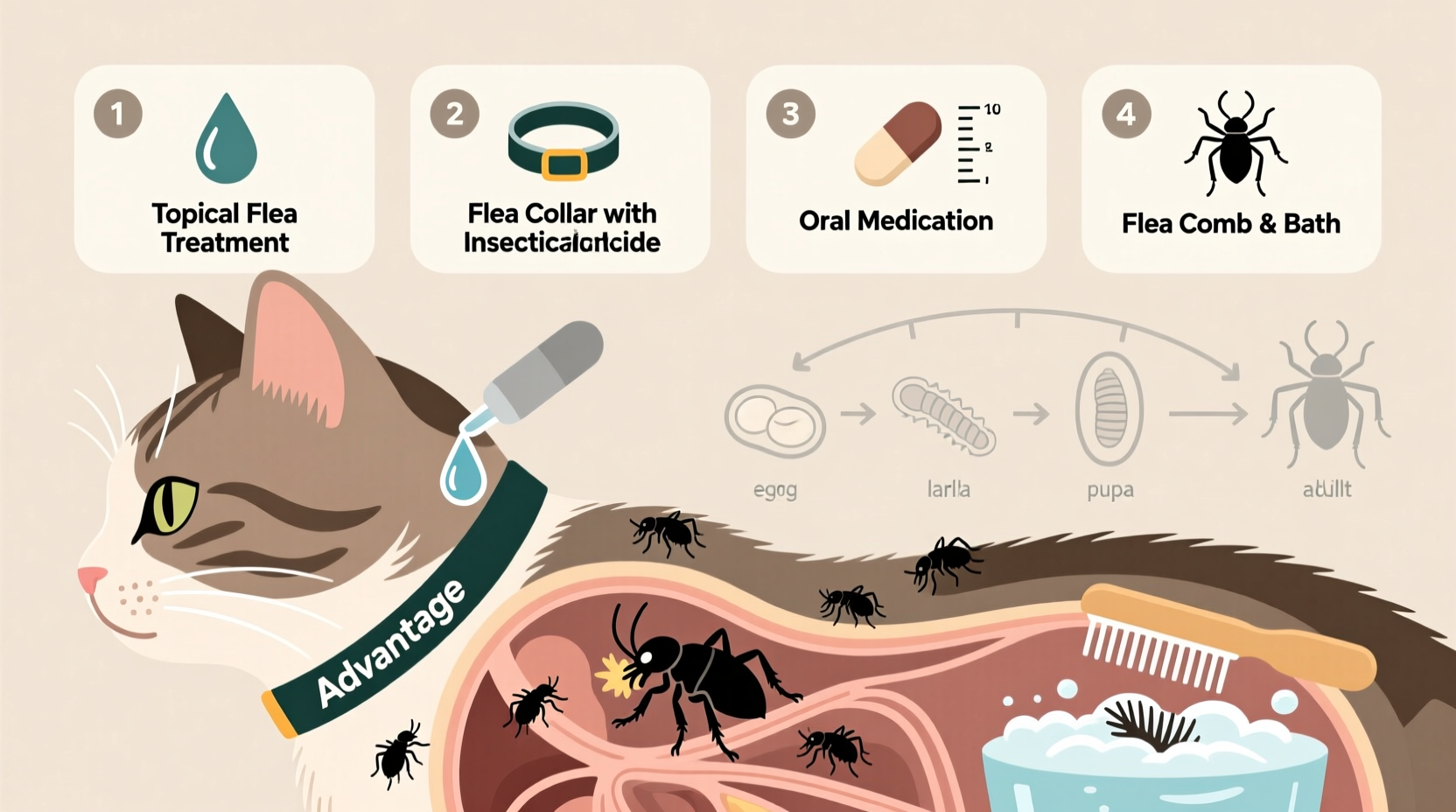
Fleas undergo four stages: egg, larva, pupa, and adult. Adult fleas make up only about 5% of an infestation, while the remaining 95% exist in the home as eggs, larvae, and pupae. This hidden majority is why spot-on treatments alone often fail—without environmental control, new fleas will continue to emerge and reinfest your cat.
Eggs fall off the cat into carpets, bedding, and furniture. Larvae feed on organic debris and flea feces before spinning cocoons. Pupae can remain dormant for months, hatching when they sense warmth, carbon dioxide, or vibrations—such as when your cat walks by. Breaking this cycle requires simultaneous treatment of the cat and the living space.
Tip: Vacuum daily during treatment to stimulate pupae to hatch, making them vulnerable to insecticides.Veterinarian-Approved Topical and Oral Treatments
Topical and oral medications are among the most reliable ways to kill adult fleas quickly and prevent new infestations. These products contain active ingredients such as fipronil, imidacloprid, selamectin, or spinosad, which disrupt the nervous system of fleas.
Topical treatments (applied to the skin between the shoulder blades) typically last 30 days and also target ticks and mites. Oral medications act faster—some kill fleas within 30 minutes—and are ideal for cats that groom excessively or live in multi-pet households where cross-contamination is a risk.
“Always use cat-specific flea treatments. Dog products containing permethrin can be fatal to cats.” — Dr. Laura Bennett, DVM, Feline Health Specialist
Commonly Used Prescription and Over-the-Counter Options
| Product Type | Active Ingredient | Time to Kill Fleas | Duration |
|---|---|---|---|
| Topical (e.g., Advantage II) | Imidacloprid | 12–24 hours | 30 days |
| Oral (e.g., Capstar) | Nitenpyram | 30 minutes | Single dose (short-term) |
| Oral (e.g., Comfortis) | Spinosad | 30 minutes | 30 days |
| Topical (e.g., Revolution) | Selamectin | 36 hours | 30 days |
Note: Capstar provides rapid relief but does not offer lasting protection. It’s best used in conjunction with a monthly preventive.
Step-by-Step Guide to Eliminating Fleas from Your Home
Killing fleas on your cat is only half the battle. To achieve long-term success, follow this step-by-step environmental treatment plan:
- Vacuum thoroughly: Focus on carpets, baseboards, under furniture, and pet bedding. Dispose of the vacuum bag or empty the canister immediately in a sealed outdoor trash bin.
- Wash all fabrics: Bedding, blankets, and soft toys should be washed weekly in hot water (at least 130°F) and dried on high heat.
- Apply indoor flea treatment: Use a premise spray containing an insect growth regulator (IGR) like methoprene or pyriproxyfen. These prevent eggs and larvae from maturing.
- Treat outdoor areas: If your cat goes outside, focus on shaded, moist areas where fleas thrive. Use yard sprays labeled for flea control.
- Reapply monthly: Continue treatment for at least three months to break the entire life cycle.
Safe Natural Remedies and What to Avoid
While many pet owners turn to natural remedies, few are both safe and effective. Some popular options, like essential oils, can be toxic to cats due to their sensitive livers. Tea tree oil, citrus oils, and eucalyptus should never be applied directly to cats.
Mild alternatives include:
- Diatomaceous earth (food-grade): Can be lightly dusted on carpets to dehydrate flea larvae. Remove after 12–24 hours by vacuuming. Avoid inhalation by pets and humans.
- Apple cider vinegar: A diluted rinse may slightly repel fleas but won’t kill them. Mix one part vinegar with one part water and apply with a spray bottle after bathing (avoid eyes and open sores).
- Flea combs: Fine-toothed metal combs can remove adult fleas during grooming. Dip the comb in soapy water to drown captured fleas.
These methods may supplement medical treatments but should not replace them in active infestations.
Mini Case Study: Resolving a Persistent Infestation
Sarah adopted a stray kitten named Milo who arrived with severe flea dermatitis. Despite using an over-the-counter topical product, fleas persisted after two weeks. Concerned, she consulted her veterinarian, who discovered the issue: Sarah had not treated the environment, and the product she used lacked an insect growth regulator.
The vet prescribed a monthly oral medication (spinosad) and recommended a household spray with methoprene. Sarah began vacuuming daily, washing bedding twice weekly, and treating her home every two weeks. Within 60 days, both Milo’s itching subsided and no fleas were detected. The key was combining fast-acting medication with persistent environmental management.
Checklist: Complete Flea Eradication Plan
- ✔️ Consult your veterinarian for appropriate flea medication
- ✔️ Apply treatment exactly as directed (monthly, year-round)
- ✔️ Vacuum all floors and furniture daily for at least 14 days
- ✔️ Wash all pet bedding in hot water weekly
- ✔️ Use an indoor flea spray with an insect growth regulator
- ✔️ Treat outdoor resting areas if applicable
- ✔️ Monitor your cat for signs of reinfestation (scratching, flea dirt)
- ✔️ Continue prevention year-round—even in winter
FAQ
Can I use dog flea medicine on my cat?
No. Many dog flea products contain permethrin, which is highly toxic to cats and can cause tremors, seizures, or death. Always use cat-specific treatments and consult your vet before switching brands.
How do I know if the fleas are gone?
Use a flea comb regularly. If no fleas or flea dirt (which looks like black pepper and turns red when wet) appear after two weeks, the infestation is likely resolved. Continued monthly prevention is still essential.
Are indoor-only cats safe from fleas?
No. Fleas can enter homes on clothing, shoes, or through screens. Even cats that never go outside are at risk. Year-round prevention is recommended by veterinary associations.
Conclusion
Eliminating fleas from cats requires more than a single treatment—it demands persistence, precision, and a holistic strategy. By combining veterinarian-approved medications with thorough environmental cleanup, you can end the infestation cycle for good. Never underestimate the resilience of flea pupae or rely solely on natural remedies during active outbreaks. With consistent effort and the right tools, your cat can enjoy a flea-free life.
💬 Have a flea-fighting tip that worked for your cat? Share your experience in the comments and help other pet owners find relief.








