Fleas are more than just a nuisance—they can cause severe discomfort, allergic reactions, and even transmit diseases to both pets and humans. Once they infiltrate your home, these tiny parasites multiply rapidly, turning carpets, furniture, and pet bedding into breeding grounds. Eliminating them requires a comprehensive strategy that targets every stage of their life cycle: eggs, larvae, pupae, and adults. The most effective approach combines immediate treatment with long-term prevention. Below is a detailed guide on how to reclaim your home from fleas using proven, science-backed methods.
Understanding the Flea Life Cycle
To effectively eliminate fleas, it’s essential to understand their biology. A single adult flea can lay up to 50 eggs per day, which fall off pets and scatter into cracks, rugs, and upholstery. These eggs hatch into larvae within 2–12 days, feeding on organic debris and adult flea feces. After several molts, larvae spin cocoons and enter the pupal stage, which can remain dormant for months, resisting most treatments. This resilience makes complete eradication challenging without a sustained effort.
The entire life cycle can last from two weeks to several months, depending on temperature and humidity. Warm, humid environments accelerate development, making summer and early fall peak infestation periods. Because only about 5% of a flea population exists as adults on pets, treating the environment is just as critical as treating the animal.
“Fleas are survivors. You must attack them in all life stages simultaneously or risk reinfestation.” — Dr. Karen Bennett, DVM, Parasitology Specialist
Step-by-Step Guide to Eradicating Fleas
Eliminating fleas isn’t a one-time task—it’s a process that spans several weeks. Follow this timeline to ensure complete removal:
- Day 1: Treat Your Pets
Use a veterinarian-approved topical or oral flea medication. Products containing ingredients like fipronil, imidacloprid, or spinosad kill adult fleas quickly and prevent egg production. - Day 1–3: Deep Clean Your Home
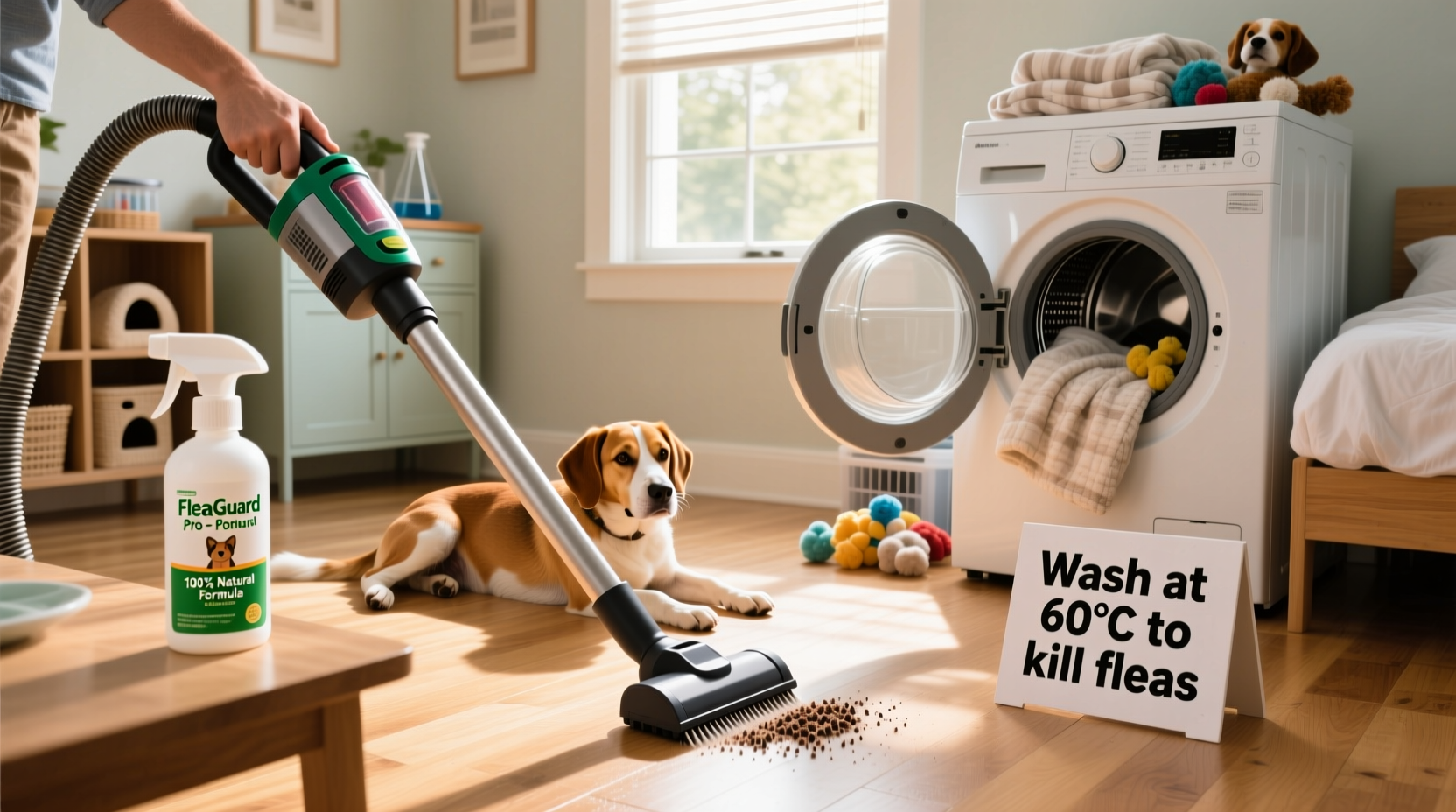
Wash all bedding (pet and human) in hot water. Vacuum every carpet, rug, baseboard, and upholstered surface. Pay special attention to areas where pets sleep. Dispose of the vacuum bag or empty the canister immediately in an outdoor trash bin. - Day 4: Apply Environmental Treatments
Spray a premise-safe insecticide containing an Insect Growth Regulator (IGR), such as methoprene or pyriproxyfen. These chemicals disrupt flea development by preventing eggs and larvae from maturing. - Day 7: Re-treat Pets if Necessary
Some products require weekly application. Check labels and consult your vet to confirm dosage and frequency. - Weeks 2–8: Maintain Vigilance
Continue vacuuming every other day. Monitor pets for scratching or biting. Reapply environmental sprays according to product instructions, typically every 2–3 weeks.
Top Treatment Methods Compared
Different situations call for different approaches. The table below compares common flea control methods based on effectiveness, safety, speed, and cost.
| Method | Effectiveness | Safety | Speed | Cost |
|---|---|---|---|---|
| Veterinary Oral Medications | ★★★★★ | High (when dosed correctly) | Hours | $$ |
| Topical Spot-On Treatments | ★★★★☆ | Moderate (skin sensitivity possible) | 12–24 hrs | $$ |
| Home Foggers/Bombs | ★★★☆☆ | Low (flammable, toxic fumes) | Days | $ |
| Steam Cleaning Carpets | ★★★☆☆ | High | Immediate (on contact) | $$$ (rental/service) |
| DIY Vinegar Sprays | ★☆☆☆☆ | High | Minimal | $ |
| Professional Pest Control | ★★★★★ | High (licensed application) | 1–2 weeks | $$$$ |
While DIY solutions like vinegar or essential oils may offer mild repellent effects, they do not kill fleas at all life stages. For severe infestations, professional extermination combined with veterinary care offers the highest success rate.
Common Mistakes That Prolong Infestations
Many homeowners unknowingly sabotage their own efforts. Avoid these frequent errors:
- Only treating the pet: Fleas live mostly in the environment, not on animals.
- Skipping vacuuming: Vacuuming stimulates pupae to emerge, making them vulnerable to insecticides.
- Using outdated or unapproved products: Some over-the-counter sprays contain ineffective or harmful chemicals.
- Stopping treatment too soon: Flea pupae can remain dormant for up to 5 months. Premature discontinuation leads to resurgence.
- Ignoring outdoor access points: Fleas often enter via shoes, wild animals, or untreated yards.
Real-World Case: The Thompson Family Infestation
The Thompsons adopted a rescue cat in June. Within three weeks, their toddler developed red, itchy bites on her legs. The family initially tried a store-bought flea collar and sprayed lemon water around the house. Two months later, the problem worsened—fleas were jumping onto guests in the living room.
They consulted a veterinarian who prescribed an oral flea medication for the cat and referred them to a pest control service. The exterminator applied an IGR-based spray and advised daily vacuuming. Within 10 days, flea activity dropped by 90%. By week six, no new bites were reported. The key to their success was combining medical treatment, environmental spraying, and consistent cleaning—something they had neglected earlier.
Prevention Checklist
Once fleas are gone, maintain a flea-free home with this ongoing checklist:
- ✅ Administer monthly flea preventatives to all pets year-round
- ✅ Wash pet bedding weekly in hot water
- ✅ Vacuum carpets and furniture 2–3 times per week
- ✅ Seal gaps under doors and windows to block wildlife entry
- ✅ Trim shrubs and keep grass short outdoors to reduce flea habitats
- ✅ Inspect secondhand furniture or rugs before bringing them inside
- ✅ Schedule biannual deep cleans of upholstery and area rugs
Frequently Asked Questions
Can fleas live on humans?
Fleas prefer animal hosts but will bite humans when necessary. While they don’t typically infest human hair or skin, repeated bites can cause allergic reactions and secondary infections. Cat and dog fleas are the most common culprits in homes.
How long does it take to get rid of fleas completely?
A full elimination process usually takes 6–8 weeks. This accounts for the hatching of dormant eggs and pupae. Consistent treatment during this period is crucial to break the reproductive cycle.
Are natural remedies like diatomaceous earth effective?
Food-grade diatomaceous earth (DE) can dehydrate and kill adult fleas and larvae on contact. However, it must be applied carefully (avoid inhalation) and doesn’t affect pupae or eggs. Use DE as a supplement—not a standalone solution.
Final Thoughts and Call to Action
Getting rid of fleas at home demands persistence, precision, and a multi-pronged strategy. Relying on a single method—whether it’s a pet shampoo or a single vacuum session—will almost certainly lead to failure. Success comes from attacking fleas at every life stage, across every environment they inhabit. With the right combination of veterinary medicine, thorough cleaning, and targeted insecticides, you can reclaim your home and protect your family and pets from future outbreaks.
🚀 Start today: Pick one action from the prevention checklist and implement it now. Whether it's scheduling a vet visit or washing pet bedding, small steps lead to lasting results. Share your experience or questions in the comments—your story could help another household win their flea battle.








