
Paper-based cat litter has gained popularity due to its eco-friendliness, low dust, and excellent clumping properties. However, even the most absorbent paper litter requires proper maintenance to prevent lingering odors and bacterial buildup. Unlike clay or silica litters, paper litter breaks down when wet, which means neglect can quickly lead to soggy trays and unpleasant smells. A clean litter box isn’t just about comfort—it’s essential for your cat’s health and your home’s air quality. With consistent care and smart routines, you can maintain a hygienic, odor-free environment that both you and your feline companion will appreciate.
Understanding Paper Cat Litter and Its Unique Needs
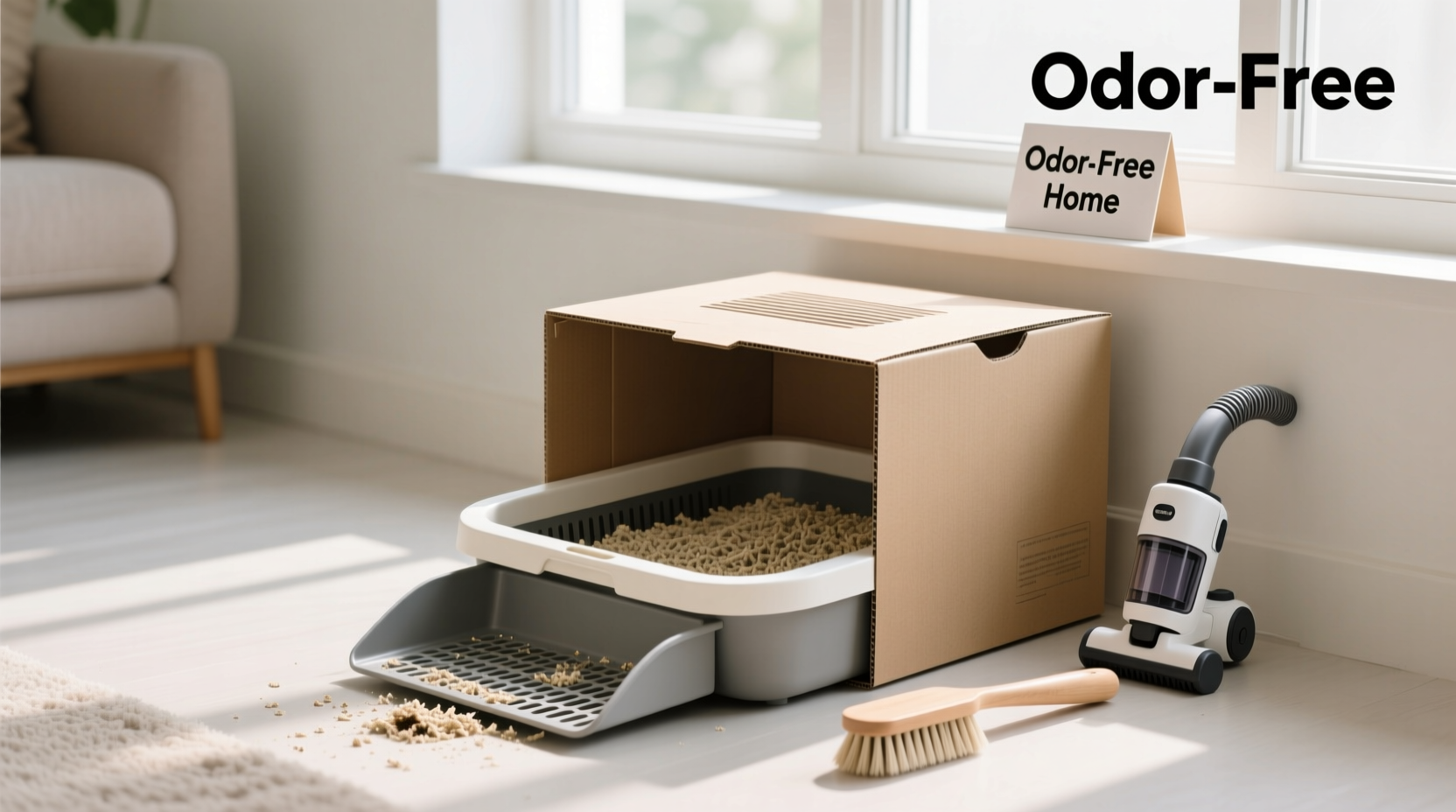
Paper litter is typically made from recycled paper, often processed into small pellets or granules. It's biodegradable, lightweight, and safe for septic systems when disposed of properly. However, because it absorbs moisture by design, it can become saturated quickly if not maintained. Once soaked, it loses structural integrity and begins to break down, creating a damp base that fosters bacteria and ammonia production—two primary sources of foul odors.
Unlike traditional litters that remain solid after use, paper litter demands more frequent monitoring. The key to success lies in understanding its absorption limits and acting before saturation occurs. Regular scooping, timely full changes, and thorough cleaning between uses are non-negotiable for long-term freshness.
Tip: Use a slotted scoop with wider openings to efficiently remove waste while retaining dry litter.Step-by-Step Guide to Daily and Weekly Maintenance
Maintaining a clean litter box starts with a structured routine. Here’s a timeline-based approach to ensure optimal hygiene:
- Daily Scooping (Every 12–24 hours): Remove solid waste and any clumped urine-soaked litter. Even if the litter appears dry on the surface, check beneath for hidden dampness.
- Midweek Check (Day 3–4): Stir the litter gently to expose lower layers to air. This helps evaporate trapped moisture and reduces odor development.
- Litter Replacement (Weekly or as needed): Fully replace the litter every 7 days. In multi-cat households, consider changing it every 5 days.
- Box Cleaning (During Litter Change): Empty the box completely, wash with mild, unscented soap and warm water, rinse thoroughly, and dry before refilling.
Consistency in this cycle prevents the accumulation of organic residue that leads to persistent smells. Skipping even one day of scooping can compromise weeks of odor control efforts.
Deep Cleaning Techniques for Long-Term Freshness
While regular scooping handles surface waste, deep cleaning addresses what’s invisible to the eye: bacteria, residual urine, and biofilm buildup. Follow this process monthly—or more often in high-traffic homes:
- Remove all remaining litter and dispose of it in a sealed compostable bag.
- Wash the box with a mixture of warm water and white vinegar (1:1 ratio). Vinegar neutralizes ammonia and disinfects without harsh chemicals.
- Let the solution sit for 10–15 minutes, then scrub with a soft brush, focusing on corners and seams.
- Rinse thoroughly to remove any vinegar scent, which may deter cats.
- Air-dry completely before adding new litter. Moisture left behind can promote mold growth.
Avoid bleach or ammonia-based cleaners. These not only leave strong scents that repel cats but can also react with urine compounds to produce toxic fumes.
“Cats have highly sensitive olfactory systems. A litter box that smells ‘clean’ to us might still register as offensive to them. Natural, fragrance-free cleaning agents are safest.” — Dr. Lena Reyes, Feline Behavior Specialist
Do’s and Don’ts of Paper Litter Maintenance
| Do’s | Don’ts |
|---|---|
| Use unscented, biodegradable litter liners (if used) | Use plastic bags or non-breathable liners that trap moisture |
| Scoop at least once daily | Wait more than 48 hours between scooping |
| Store unused litter in a cool, dry place | Leave open litter bags near humid areas like bathrooms |
| Replace the entire litter bed weekly | Top off old litter indefinitely without full replacement |
| Wash hands after handling used litter | Use abrasive scrubbers that scratch the litter box surface |
Real Example: How One Household Eliminated Persistent Odors
The Thompson family adopted two rescue cats who shared a single large paper-litter box. Within two weeks, they noticed a musty smell spreading through their living room despite daily scooping. They assumed the litter brand was the issue and switched twice, with no improvement.
After consulting a pet hygiene specialist, they discovered the root cause: they were “topping off” the litter instead of replacing it entirely. Over time, a layer of compressed, damp paper had formed at the bottom, invisible under fresh litter. This hidden reservoir was breeding bacteria and releasing ammonia gas.
They implemented a strict weekly full change, added a vinegar wash, and began using a moisture-absorbing mat under the box. Within five days, the odor disappeared. Their cats showed improved litter box usage, likely due to the cleaner environment.
Tip: Place a small dehumidifying pack under the litter box mat to absorb ambient moisture and reduce odor transfer.Checklist for Odor-Free Paper Litter Maintenance
Keep this checklist handy for weekly review:
- ☐ Scoop waste at least once per day
- ☐ Inspect for dampness below the surface
- ☐ Replace all litter every 5–7 days
- ☐ Wash the box with vinegar solution monthly
- ☐ Dry the box completely before refilling
- ☐ Store spare litter in a sealed container
- ☐ Monitor your cat’s behavior for signs of avoidance (indicating cleanliness issues)
Frequently Asked Questions
Can I compost used paper cat litter?
Only if it’s free of feces and your cat is indoor-only and parasite-free. Urine-soaked litter can be composted in a dedicated pet-safe bin, but never use compost containing cat waste on edible plants due to potential pathogens like Toxoplasma gondii.
Why does my paper litter box still smell after cleaning?
Residual moisture or biofilm in microscopic scratches may harbor odor-causing bacteria. Try soaking the empty box in a baking soda and water solution (½ cup per gallon) for 30 minutes, then rinse and dry fully. Also, ensure you’re not overfilling the box—excess depth traps humidity.
How many litter boxes should I have?
Veterinarians recommend one box per cat, plus one extra. For two cats, use three boxes placed in separate quiet locations. This reduces territorial stress and allows for rotation during cleaning.
Final Thoughts: Small Habits, Big Impact
Keeping a paper cat litter box clean and odor-free doesn’t require expensive products or complex tools. It hinges on consistency, attention to detail, and understanding how paper litter behaves differently from other types. By integrating simple habits—daily scooping, weekly full changes, and periodic deep cleans—you create a healthier space for your pet and a more pleasant home for yourself.
An odor-free home isn’t about masking smells with sprays or perfumes; it’s about preventing them at the source. When your cat willingly uses a clean box and you no longer dread walking past it, you’ll know your efforts have paid off.
💬 What’s your best tip for keeping litter boxes fresh? Share your experience and help fellow cat owners maintain cleaner, happier homes!








