
By the time a dog reaches one year of age, they’ve likely outgrown puppyhood but still carry energy, curiosity, and developing self-control. This transitional phase is ideal for leash training—old enough to focus, young enough to learn quickly. However, many owners struggle because their dogs pull, lunge, or resist walking calmly. The good news: with consistency, patience, and science-backed methods, any one-year-old dog can learn to walk politely on a leash.
This guide breaks down proven techniques into manageable steps, helping you transform chaotic walks into peaceful, enjoyable experiences for both you and your dog.
Why Leash Training at One Year Matters
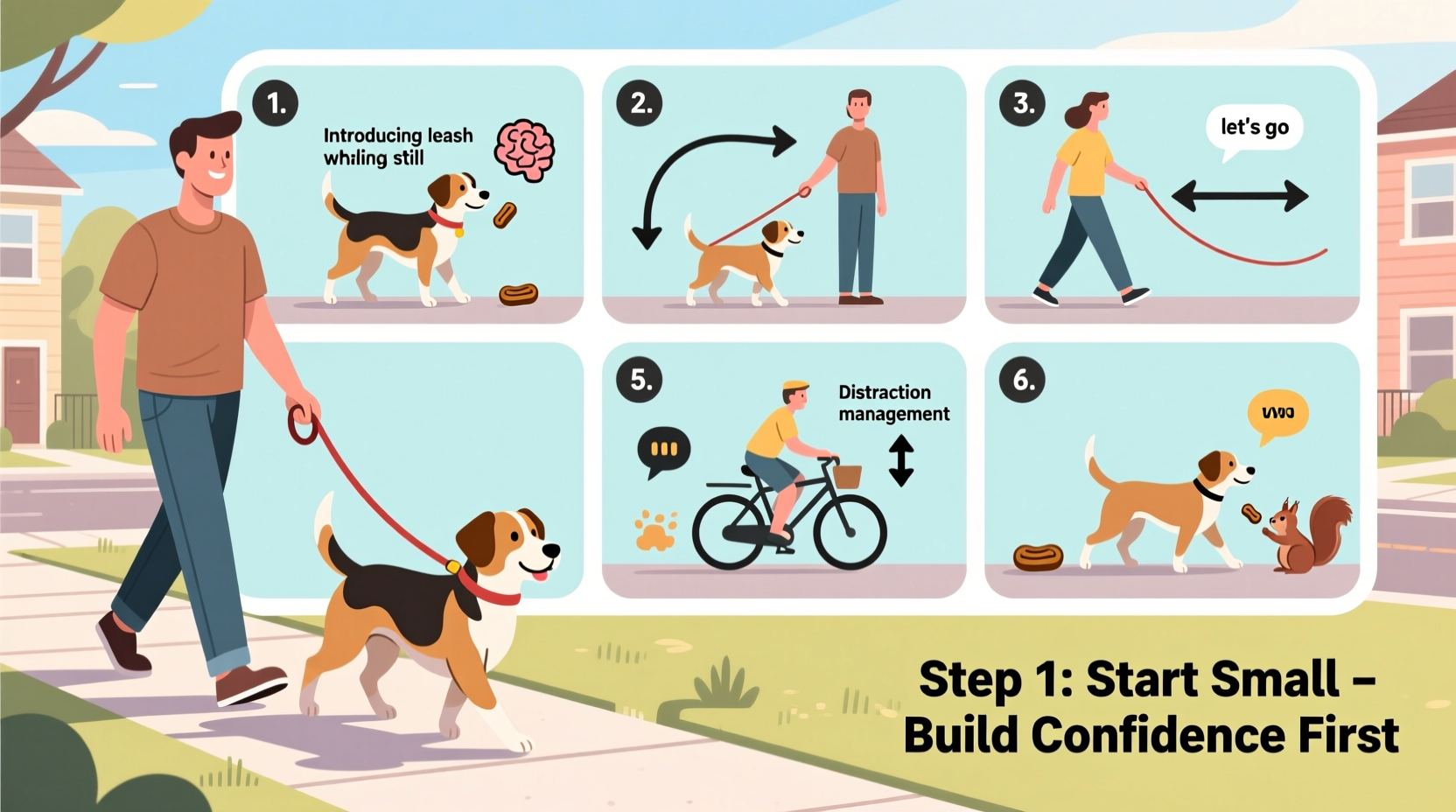
At one year, most dogs are physically mature enough to handle structured training, yet mentally flexible enough to absorb new behaviors. This age often coincides with increased independence—your dog may test boundaries, especially during walks. Without proper guidance, pulling, barking at distractions, or ignoring cues become habits that are harder to correct later.
Leash training isn’t just about control; it’s about communication. A well-trained dog understands expectations, feels more secure, and enjoys walks more. Conversely, constant pulling leads to frustration, strained relationships, and even physical injury from jerking on collars.
“Dogs don’t resist walking nicely—they simply don’t know how. At one year, they’re ready to learn the rules if we teach them clearly.” — Dr. Sarah Bennett, Certified Canine Behaviorist
Essential Tools for Success
Using the right equipment sets the foundation for effective training. Not all leashes and harnesses are created equal, and mismatched gear can sabotage progress.
| Equipment | Recommended Type | Avoid |
|---|---|---|
| Leash | 6-foot standard leash (nylon or biothane) | Retractable leashes |
| Harness | Front-clip or dual-clip no-pull harness | Standard back-clip harnesses for strong pullers |
| Collar | Flat collar for ID tags only | Choke chains, prong collars (unless advised by a professional) |
| Treat Pouch | Waist-worn pouch with quick-access treats | Pockets (slows response time) |
Step-by-Step Leash Training Plan
Follow this five-phase approach over 2–4 weeks, depending on your dog’s progress. Each phase builds on the last, ensuring lasting results.
- Phase 1: Indoor Focus & Loose-Leash Awareness (Days 1–3)
Begin in a quiet room with minimal distractions. Attach the leash and let your dog drag it briefly under supervision to get used to the feel. Then, hold the leash and start moving slowly. Reward your dog the moment the leash goes slack. Use a marker word like “Yes!” or a clicker the instant they walk beside you without tension.
Practice short sessions (5–7 minutes) multiple times a day. Goal: Your dog looks to you when the leash tightens.
- Phase 2: Introduce Direction Changes (Days 4–7)
Now add unpredictability. Walk forward, then suddenly turn and go the other way. If your dog follows without pulling, reward immediately. This teaches them to stay attentive rather than forging ahead.
If they pull, stop and wait. Only move when the leash is loose. This reinforces that pulling doesn’t get them where they want to go.
- Phase 3: Controlled Outdoor Practice (Week 2)
Move to a low-distraction outdoor area—early morning sidewalks or empty parking lots. Keep sessions short (10 minutes). Use frequent rewards for attention and loose-leash walking.
When your dog notices a distraction (squirrel, dog, person), change direction or create distance before they react. Reward calm behavior.
- Phase 4: Build Duration & Distraction Tolerance (Week 3)
Gradually increase walk length and visit busier areas. Practice “look” or “watch me” cues to regain focus. Increase treat intervals as your dog improves—this moves them toward real-world reliability.
If your dog lunges, pivot away and lure them into position with a treat. Never yank the leash; use movement to redirect.
- Phase 5: Real-World Application (Week 4+)
Walk in typical environments: parks, streets, near other dogs. Maintain vigilance and continue rewarding good behavior. Fade treats gradually, replacing them with praise and life rewards (e.g., allowing a sniff after a stretch of good walking).
Consistency is key—even after mastery, occasional reinforcement keeps skills sharp.
Common Mistakes and How to Avoid Them
- Allowing Pulling During Excitement: Letting your dog pull to greet another dog teaches them that pulling works. Instead, ask for a sit and wait for calmness before allowing interaction.
- Inconsistent Reinforcement: Rewarding good behavior only sometimes makes learning unpredictable. Be consistent in early stages.
- Using Force-Based Methods: Yanking, shouting, or using aversive collars damages trust and increases anxiety. Positive reinforcement builds cooperation.
- Overestimating Progress: Moving too fast into high-distraction areas overwhelms the dog. Stick to the gradual plan.
Real Example: Transforming Max, the Energetic Husky Mix
Max, a one-year-old Siberian Husky mix, would lunge at every squirrel, bark at passing cyclists, and drag his owner down the street. His walks were exhausting and stressful. His owner began Phase 1 indoors, using chicken treats and a front-clip harness. Within three days, Max started checking in when the leash tightened. By week two, they practiced in an empty schoolyard. When Max saw a bird, his owner turned and walked the opposite way, rewarding him for following. After four weeks, Max walks calmly through neighborhood streets, sits automatically at crosswalks, and earns off-leash time in secure areas as a reward. The transformation came not from dominance, but from clear communication and consistency.
Checklist: Daily Leash Training Routine
- ✅ Use a front-clip harness and 6-foot leash
- ✅ Carry high-value treats in a waist pouch
- ✅ Conduct 2–3 short indoor or quiet outdoor sessions
- ✅ Reward loose leash every few steps initially
- ✅ Practice turns, stops, and “focus” cues
- ✅ End each session positively
- ✅ Record progress in a simple journal (e.g., “Walked 10 mins with only 2 pulls”)
Frequently Asked Questions
Can I still leash-train my dog if they’ve been pulling for months?
Absolutely. Dogs of any age can learn new behaviors. The longer the habit, the more consistency you’ll need—but one year is still very early in a dog’s life. Re-training takes patience, but success is highly achievable.
Should I use a head halter like a Gentle Leader?
Head halters can be effective for dogs who are strong pullers or easily distracted, but they require proper introduction. Always pair them with positive reinforcement, never force. Consult a trainer if unsure about fitting or usage.
How long should each training session last?
Keep sessions short and focused—5 to 10 minutes for younger or excitable dogs. Multiple brief sessions per day are more effective than one long, frustrating walk.
Final Thoughts: Building a Better Walking Relationship
Leash training at one year isn’t just about teaching a dog to walk nicely—it’s about building mutual respect and understanding. Every walk becomes an opportunity to strengthen your bond, improve communication, and support your dog’s emotional well-being. The techniques outlined here rely on kindness, clarity, and consistency, not force or fear.
Start today, even if previous attempts failed. With realistic goals and daily practice, you’ll see meaningful progress within weeks. Your dog isn’t being “bad”—they’re simply waiting for you to show them the way.
💬 Ready to transform your walks? Pick one technique from this guide and practice it tomorrow. Share your progress in the comments—we’d love to hear your story!








