Hot spots, also known as acute moist dermatitis, are painful, inflamed skin lesions that can develop rapidly on dogs. They often start as a small irritation but can escalate into oozing, infected sores within hours due to constant licking, chewing, or scratching. While they may appear minor at first, untreated hot spots can lead to deeper infections and significant discomfort for your pet. The good news is that with prompt action—combining safe home care and veterinary guidance—most hot spots heal effectively. This guide outlines practical, proven strategies to identify, treat, and prevent these common canine skin issues.
Understanding Hot Spots: Causes and Early Signs
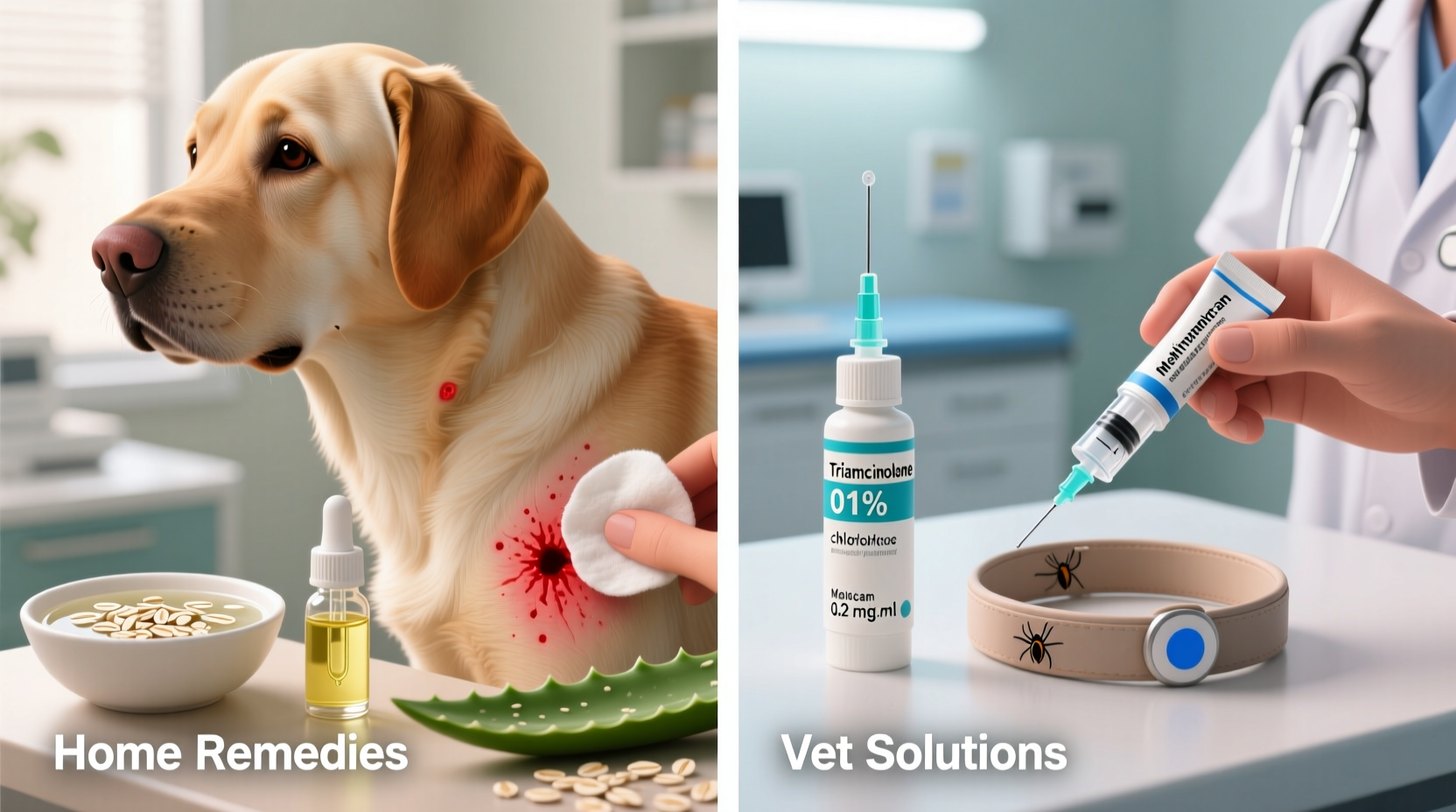
Hot spots typically occur when a dog’s skin becomes irritated and then traumatized by persistent scratching or biting. Common triggers include flea bites, allergies (food or environmental), ear infections, matted fur, moisture trapped in the coat after swimming, or even stress-related behaviors like obsessive licking.
The condition begins with redness and localized swelling. As the dog continues to irritate the area, the skin breaks down, leading to hair loss, pus formation, and an unpleasant odor. Breeds with thick coats—such as Golden Retrievers, German Shepherds, and Huskies—are particularly prone, especially during humid months.
“Hot spots are one of the most common reasons pet owners visit us in summer. What starts as a tiny itch can become a major wound overnight.” — Dr. Laura Simmons, DVM, Veterinary Dermatology SpecialistTip: Check your dog daily after walks or baths, especially around the head, neck, hips, and under the legs—common hot spot zones.
Veterinarian-Recommended Treatment Protocol
While mild cases can be managed at home, moderate to severe hot spots require professional evaluation. Veterinarians typically follow a multi-step approach to ensure complete healing and prevent recurrence.
- Clipping and Cleaning: The affected area is shaved to remove matted hair and allow air circulation. It's then gently cleansed with a chlorhexidine solution or medicated wipe to kill bacteria.
- Topical Medications: Antibiotic and anti-inflammatory creams or sprays are applied directly to reduce infection and soothe itching.
- Oral Treatments: In more advanced cases, vets prescribe oral antibiotics (e.g., cephalexin) and corticosteroids to control inflammation and break the itch-scratch cycle.
- E-collar Use: Preventing further self-trauma is critical. An Elizabethan collar ensures the dog cannot reach the site during healing.
- Underlying Cause Diagnosis: Blood tests, allergy panels, or skin scrapings may be used to identify root causes such as hypothyroidism, flea allergy dermatitis, or yeast overgrowth.
When to See a Vet Immediately
- The sore is larger than 2 inches in diameter
- There is visible pus, bleeding, or foul smell
- Your dog shows signs of pain, lethargy, or fever
- The lesion spreads despite home treatment
Safe and Effective Home Remedies
For early-stage hot spots—small, mildly red areas without discharge—home intervention can halt progression. However, it's essential to proceed carefully and discontinue any remedy that worsens symptoms.
| Remedy | How to Use | Benefits | Cautions |
|---|---|---|---|
| Chlorhexidine Wipes (0.5–4%) | Gently clean area 2–3 times daily | Kills surface bacteria, reduces odor | Avoid eyes and open wounds; don’t use alcohol-based versions |
| Coconut Oil (organic, unrefined) | Apply thin layer after cleaning | Natural antimicrobial; moisturizes surrounding skin | May attract dirt; not suitable for oily-coated breeds |
| Apple Cider Vinegar (diluted 1:1 with water) | Spray or dab on periphery of lesion | Restores pH balance; deters flies and insects | Stings open sores; never apply undiluted |
| Colloidal Oatmeal Soak | Bath using vet-approved oatmeal shampoo | Relieves widespread itching and irritation | Don’t soak if lesions are weeping heavily |
Prevention Checklist: Stop Hot Spots Before They Start
Preventive care is far more effective—and less stressful—than treating recurring hot spots. Follow this actionable checklist to minimize risk:
- ✔️ Brush your dog daily to prevent matting, especially in double-coated breeds
- ✔️ Bathe with hypoallergenic or medicated shampoo every 4–6 weeks
- ✔️ Dry your dog completely after swimming or bathing—use a blow dryer on cool setting if needed
- ✔️ Maintain a consistent flea and tick prevention regimen year-round
- ✔️ Address allergies through diet changes or veterinary testing if recurrent itching occurs
- ✔️ Trim excess hair between paw pads and around the hindquarters
- ✔️ Reduce stress with exercise, mental stimulation, and routine
Real-Life Example: Max the Labrador’s Recovery
Max, a 4-year-old chocolate Lab, developed a quarter-sized red patch behind his ear after returning from a weekend hike. His owner noticed him shaking his head and scratching violently. Within 24 hours, the spot had grown to the size of a golf ball, with matted fur and a yellowish discharge.
After a vet visit, Max was diagnosed with a Staphylococcus infection triggered by a grass seed embedded beneath the skin. The vet clipped the area, cleaned it with chlorhexidine, prescribed 10 days of oral antibiotics, and fitted him with an E-collar. At home, Max’s owner cleaned the site twice daily with vet-approved wipes and monitored for improvement.
By day six, new pink skin began forming. By day ten, the lesion had fully closed. To prevent recurrence, Max now wears a protective vest on hikes, receives monthly flea treatment, and gets brushed daily during shedding season.
Frequently Asked Questions
Can I use human antibiotic ointment on my dog’s hot spot?
No. Many human topical products contain ingredients like neomycin or benzocaine that can be toxic if ingested. Dogs often lick treated areas, so only use veterinarian-approved medications.
How long does it take for a hot spot to heal?
Mild cases improve within 3–5 days with proper care. More severe infections may take 10–14 days, especially when oral medication is involved. Complete re-epithelialization (skin regrowth) can take up to three weeks.
Are hot spots contagious to other pets or humans?
Hot spots themselves are not contagious. However, the underlying cause—such as fleas or ringworm—can spread. Practice good hygiene and isolate grooming tools until the cause is identified.
Conclusion: Act Fast, Heal Faster
Hot spots in dogs are more than just skin-deep—they signal discomfort, possible infection, and often an unresolved health issue. By combining timely home care with professional veterinary support, you can stop these painful sores in their tracks and restore your dog’s comfort. Never underestimate the power of early detection and consistent prevention. Monitor your pet closely, respond swiftly to signs of irritation, and maintain a proactive care routine. Your dog’s healthy, itch-free life starts with informed, compassionate action.
💬 Have experience treating hot spots at home? Share your story or tips in the comments to help fellow pet owners navigate this common challenge.








