
Hot spots—also known as acute moist dermatitis—are a common and uncomfortable skin condition in dogs. These red, inflamed, and often oozing sores can appear suddenly and spread quickly due to constant licking, chewing, or scratching. While they may start small, untreated hot spots can become severe and painful. The good news is that many respond well to prompt treatment, combining at-home care with veterinary guidance. Understanding the causes, symptoms, and both natural and medical interventions empowers pet owners to act swiftly and effectively.
Understanding Hot Spots: Causes and Symptoms
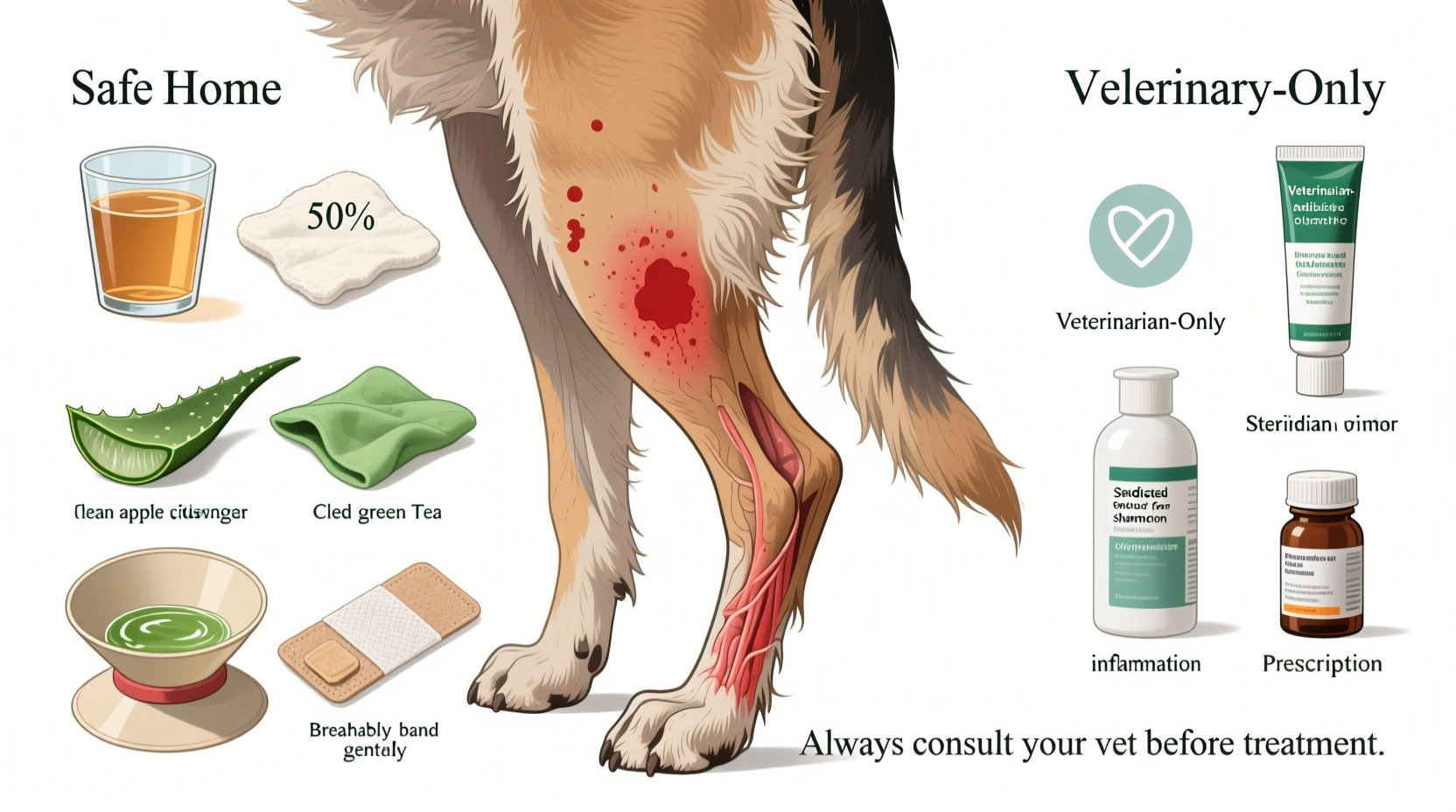
Hot spots develop when a dog’s skin becomes irritated and then infected, typically by bacteria such as *Staphylococcus intermedius*. Moisture trapped in the fur, combined with self-trauma from scratching, creates an ideal environment for bacterial overgrowth.
Common triggers include:
- Fleas, ticks, or other parasites
- Allergies (food, environmental, or contact)
- Ear or skin infections
- Matted fur or poor grooming
- Wet coat after swimming or bathing
- Stress or boredom leading to compulsive licking
Symptoms are usually obvious and progress rapidly:
- A localized area of redness and swelling
- Moist, oozing skin with matted hair
- Foul odor from bacterial infection
- Pain when touched
- Intense itching or chewing at the site
Vet-Approved Medical Treatments
While mild cases can sometimes be managed at home, most veterinarians recommend professional evaluation to rule out underlying conditions and prescribe appropriate treatment.
A typical veterinary protocol includes:
- Clipping and cleaning: The affected area is shaved to remove matted hair and allow air circulation. It's then cleaned with a medicated antiseptic like chlorhexidine.
- Topical medications: Antibiotic and anti-inflammatory creams or sprays (e.g., mupirocin, silver sulfadiazine) are applied to control infection and reduce itching.
- Oral antibiotics: For moderate to severe infections, a course of oral antibiotics (such as cephalexin) may be prescribed for 7–14 days.
- Anti-itch medication: Corticosteroids (like prednisone) or antihistamines help break the itch-scratch cycle and provide relief.
- Treatment of underlying causes: Flea prevention, allergy testing, or dietary changes may be recommended if allergies or parasites are suspected.
“Hot spots are not just surface issues—they’re signs of deeper discomfort. Treating only the sore without addressing why it started often leads to recurrence.” — Dr. Laura Bennett, DVM, Veterinary Dermatology Specialist
Safe and Effective Home Remedies
For early-stage or minor hot spots, certain home treatments can support healing when used alongside veterinary advice. These should never replace professional care in advanced cases.
1. Gentle Cleaning with Antiseptic Solutions
Clean the area 2–3 times daily using a diluted chlorhexidine solution (2% concentration, mixed with water as directed). Avoid hydrogen peroxide or alcohol, which can damage tissue and delay healing.
2. Apple Cider Vinegar (Diluted)
A 50/50 mix of raw, unfiltered apple cider vinegar and water can be dabbed on the area with a cotton ball to help balance skin pH and inhibit bacteria. Do not use on open or bleeding wounds.
3. Coconut Oil
Organic, cold-pressed coconut oil has natural antimicrobial properties. Apply a thin layer after cleaning to soothe irritation and support skin repair. Use sparingly to avoid greasiness.
4. Oatmeal Soaks
Colloidal oatmeal baths can calm inflamed skin. Mix finely ground plain oats with lukewarm water and sponge the solution onto the affected area. Rinse gently and pat dry.
Tip: Always prevent your dog from licking treated areas. Use an Elizabethan collar if necessary to allow proper healing.Step-by-Step Treatment Timeline
Follow this structured approach for optimal results:
- Day 1: Identify the hot spot. Clip surrounding fur carefully. Clean with chlorhexidine. Apply vet-recommended topical treatment. Begin flea prevention if not already in use.
- Days 2–3: Continue cleaning and topical application twice daily. Monitor for reduced redness and decreased licking. Administer any prescribed oral medications.
- Days 4–7: Assess improvement. The area should begin to dry and form a scab. If no improvement—or if it worsens—contact your vet immediately.
- Days 8–14: Gradually reduce topical applications as healing progresses. Keep the area dry and clean. Address underlying causes (e.g., diet change, allergy management).
Do’s and Don’ts: Quick Reference Table
| Do’s | Don’ts |
|---|---|
| Clip the fur around the hot spot to allow airflow | Use human creams like Neosporin without vet approval |
| Clean with vet-approved antiseptics (chlorhexidine) | Apply undiluted essential oils or vinegar directly |
| Use an e-collar to prevent licking | Allow your dog to stay in wet or humid environments |
| Follow up with your vet if no improvement in 48 hours | Ignore signs of underlying allergies or parasites |
| Keep your dog’s coat clean and dry | Over-bathe your dog, which can dry the skin and worsen irritation |
Real Example: Max the Golden Retriever
Max, a 4-year-old Golden Retriever, developed a hot spot behind his ear after a rainy walk. His owner noticed him shaking his head and scratching vigorously. Within 24 hours, a dime-sized red patch became a palm-sized oozing sore.
After a vet visit, Max was prescribed cephalexin and a topical spray. His owner clipped the area, cleaned it twice daily, and used an e-collar. They also switched to a hypoallergenic shampoo and started a monthly flea preventive. The hot spot began drying by day three and fully healed in ten days. The vet later diagnosed a mild seasonal allergy, which was managed with environmental controls and occasional antihistamines.
Prevention Checklist
To minimize future outbreaks, follow this actionable checklist:
- ✅ Brush your dog regularly to prevent matting
- ✅ Bathe with a gentle, hypoallergenic shampoo as needed
- ✅ Dry your dog thoroughly after swimming or bathing
- ✅ Use year-round flea and tick prevention
- ✅ Address allergies through diet or veterinary testing
- ✅ Trim long-haired breeds, especially in summer
- ✅ Provide mental stimulation to reduce stress-related licking
Frequently Asked Questions
Can I use over-the-counter antibiotic cream on my dog?
Some human creams contain ingredients toxic to dogs if licked. Only use products specifically approved by your veterinarian. Even seemingly safe options like neomycin can cause allergic reactions in some dogs.
How long does it take for a hot spot to heal?
With proper treatment, most hot spots show improvement within 48 hours and heal completely in 7–10 days. Delayed healing may indicate an underlying condition requiring further investigation.
Are certain dog breeds more prone to hot spots?
Yes. Thick-coated or double-coated breeds like Golden Retrievers, German Shepherds, Labradors, and Huskies are more susceptible due to moisture retention in dense fur. Regular grooming is especially important for these breeds.
Conclusion: Act Fast, Heal Faster
Hot spots in dogs are more than just skin deep—they signal discomfort and often point to broader health issues. Combining timely home care with professional veterinary treatment offers the best outcome. By understanding the causes, recognizing early signs, and following a consistent treatment plan, you can relieve your dog’s pain and prevent future flare-ups. Don’t wait for a small irritation to become a major problem. Stay vigilant, keep your dog clean and dry, and consult your vet at the first sign of trouble.
💬 Have experience treating hot spots in your dog? Share your tips or questions in the comments—your insight could help another pet parent in need.








