Dog dandruff—those tiny white flakes in your pet’s fur—is more than just a cosmetic issue. It can signal underlying skin irritation, poor diet, or even medical conditions. While occasional flaking is normal, persistent dandruff warrants attention. The good news is that many cases respond well to natural remedies and consistent care. With the right approach, you can restore your dog’s coat to soft, flake-free health without harsh chemicals.
Understanding Canine Dandruff: Causes and Signs
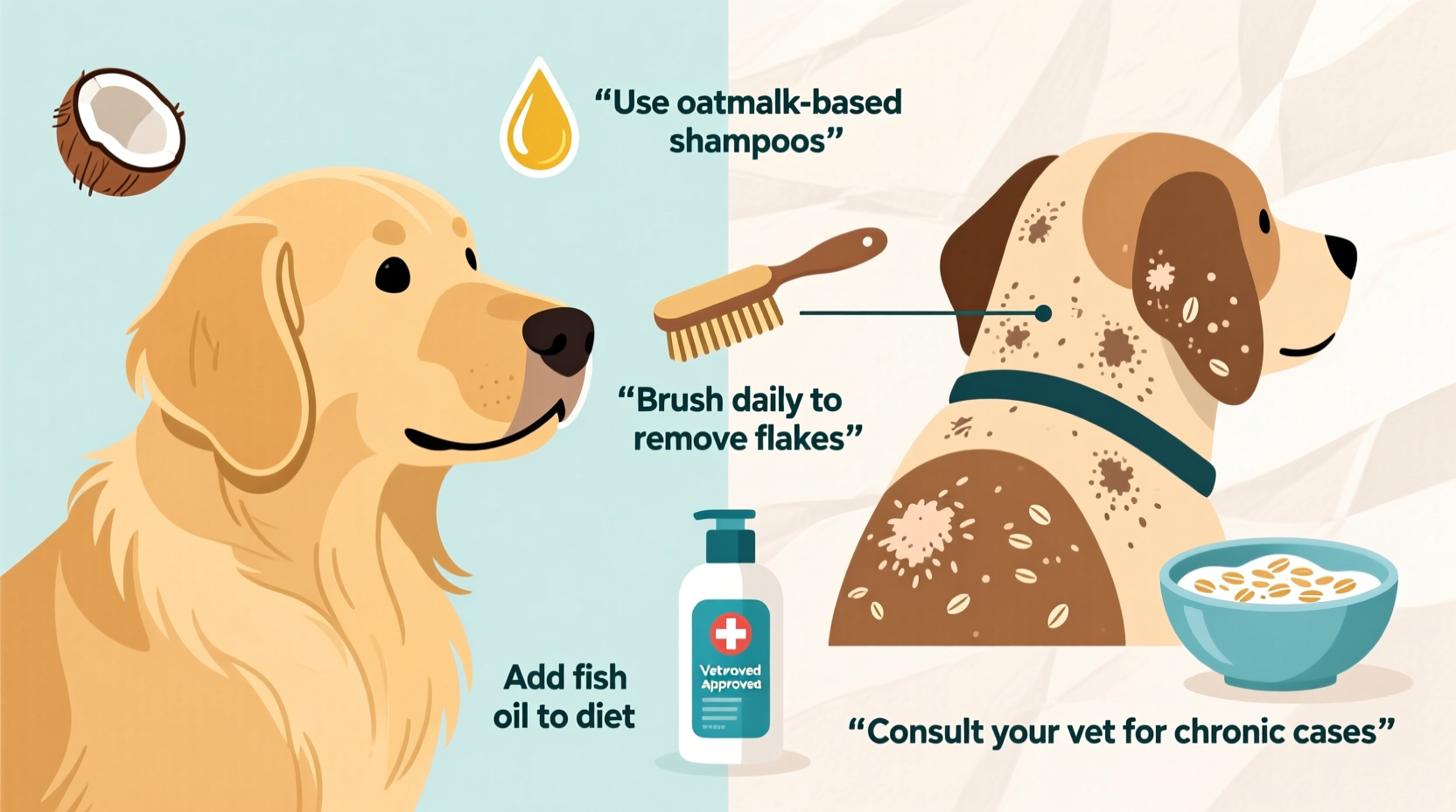
Dandruff in dogs, medically known as *seborrhea*, occurs when the skin produces excess dead cells. These appear as white or yellowish flakes, often accompanied by itching, redness, or an oily/greasy coat. Common causes include:
- Dry indoor air, especially in winter
- Poor nutrition lacking essential fatty acids
- Allergies (food, environmental, or flea-related)
- Parasites like mites or lice
- Bacterial or fungal infections
- Hormonal imbalances such as hypothyroidism
- Infrequent or excessive bathing
Not all flaking is dandruff. Distinguishing between primary seborrhea (a genetic condition) and secondary causes is key. If your dog shows signs of discomfort, hair loss, or foul odor, consult a veterinarian before trying home treatments.
Tip: Use a fine-tooth comb to part your dog’s fur and inspect the skin closely. True dandruff appears as dry, white flakes. Oily, yellow scales may indicate a more serious condition.Natural Home Remedies That Work
Many effective solutions can be found in your kitchen or pantry. These remedies support skin hydration, reduce inflammation, and restore the skin’s natural barrier—all without synthetic additives.
1. Coconut Oil Treatment
Coconut oil has antimicrobial properties and deeply moisturizes dry skin. Apply a small amount (½ to 1 teaspoon, depending on dog size) directly to flaky areas. Massage gently into the skin and leave it for at least 30 minutes before rinsing or allowing your dog to lick it off sparingly. You can also mix a teaspoon into their food daily to boost internal skin health.
2. Oatmeal Baths
Oatmeal soothes irritated skin and removes surface flakes. Grind plain, unflavored oats into a fine powder and mix with warm water to form a paste. Apply during bath time or use a colloidal oatmeal shampoo. Avoid scented or medicated products unless recommended by a vet.
3. Apple Cider Vinegar Spray
A diluted solution (1 part raw, unfiltered apple cider vinegar to 1 part water) can help balance skin pH and reduce flakiness. Spray lightly onto affected areas—avoid open sores or broken skin—and allow to air dry. Do not use more than twice a week.
4. Aloe Vera Gel (Pure Only)
Use only 100% pure aloe vera gel (without alcohol or added fragrances) to calm inflamed skin. Apply a thin layer to problem spots once daily. Ensure your dog doesn’t lick the area excessively, as large amounts can cause digestive upset.
“Topical coconut oil and regular grooming are among the safest first steps for mild canine dandruff. But if symptoms persist beyond two weeks, it’s time to rule out medical causes.” — Dr. Lena Reyes, DVM, Veterinary Dermatology Specialist
Essential Care Practices for Long-Term Relief
Home remedies work best when paired with consistent lifestyle adjustments. Skin health reflects overall wellness, so addressing root causes is critical.
Optimize Your Dog’s Diet
Fatty acids like omega-3 and omega-6 are vital for healthy skin. Look for dog foods containing fish oil, flaxseed, or salmon. Consider adding a high-quality fish oil supplement after consulting your vet. Avoid fillers like corn and soy, which can trigger inflammation.
Hydration Matters
Dehydration contributes to dry skin. Ensure your dog drinks enough fresh water daily. In dry climates, consider using a humidifier indoors, especially during winter months when heating systems sap moisture from the air.
Grooming Routine
Brush your dog several times a week to distribute natural oils and remove dead skin. Use a brush suited to their coat type—slicker brushes for long-haired breeds, rubber curry brushes for short coats. Bathe no more than once every 4–6 weeks with a gentle, sulfate-free shampoo.
Tip: Over-bathing strips natural oils and worsens dryness. If your dog gets dirty between baths, use a damp cloth for spot cleaning.Step-by-Step Guide to Treating Dog Dandruff at Home
- Assess the severity: Check for itching, redness, odor, or greasiness. Mild flaking only? Proceed with home care.
- Improve diet: Introduce omega-rich foods or supplements. Monitor changes over 2–3 weeks.
- Begin topical treatment: Apply coconut oil or oatmeal rinse twice weekly.
- Adjust environment: Add humidity, avoid overheated rooms, and wash bedding in fragrance-free detergent.
- Monitor progress: Take weekly photos to track improvement. If no change in 14 days, consult a vet.
When to See a Veterinarian
Some skin issues mimic dandruff but require medical intervention. Seek professional help if your dog exhibits:
- Intense scratching or biting at the skin
- Bald patches or darkened skin
- Unpleasant odor from the coat
- Yellow or greasy flakes (possible seborrhea oleosa)
- Lethargy or other systemic symptoms
Veterinarians may perform skin scrapings, allergy tests, or blood work to diagnose underlying conditions like mange, fungal infections, or thyroid disease. Prescription shampoos, antifungals, or dietary therapies may be necessary.
Do’s and Don’ts: Quick Reference Table
| Do | Don’t |
|---|---|
| Use lukewarm water for baths | Use human shampoos (they disrupt pH) |
| Brush regularly to stimulate oil production | Bathe more than once a month |
| Add fish oil to meals | Feed low-quality kibble high in grains |
| Apply natural moisturizers like coconut oil | Use undiluted essential oils (toxic to pets) |
| Consult a vet for persistent flakes | Ignore signs of infection or pain |
Real Example: Bella the Beagle’s Recovery
Bella, a 4-year-old beagle, developed noticeable dandruff each winter. Her owner initially assumed it was dry air, so she started using a humidifier and brushing her daily. After two weeks, flaking persisted. She introduced a fish oil supplement and switched to an oatmeal-based shampoo. Within three weeks, Bella’s coat became softer and flakes reduced by 80%. When minor itching returned, a vet visit revealed a mild flea allergy. With a flea control plan and continued home care, Bella’s skin fully normalized within two months.
This case highlights how combining observation, natural remedies, and timely veterinary input leads to lasting results.
Frequently Asked Questions
Can I use baby oil on my dog’s flaky skin?
No. Baby oil contains mineral oils and fragrances that can clog pores and irritate canine skin. Stick to pet-safe options like coconut or olive oil.
Is dog dandruff contagious to humans or other pets?
Typically, no. Ordinary dandruff isn’t infectious. However, conditions like ringworm or sarcoptic mange can spread and mimic dandruff. Always confirm the diagnosis if multiple pets are affected.
How long does it take for home remedies to work?
Mild cases often improve within 2–3 weeks. Consistency is crucial. If there’s no visible change after 14 days, reevaluate the approach or seek veterinary advice.
Take Action for a Healthier, Happier Dog
Dandruff doesn’t have to be a permanent nuisance. With attentive care, the right nutrition, and simple natural treatments, most dogs experience significant improvement at home. Start with one or two remedies, track your dog’s response, and adjust as needed. Remember, your pet’s skin is a mirror of their overall health—supporting it benefits their comfort, appearance, and quality of life.
💬 Have a remedy that worked for your dog? Share your experience in the comments and help fellow pet owners find relief for their furry friends.








