Skunk encounters are among the most unpleasant surprises pet owners face. When your dog gets sprayed, the pungent, oily musk clings to fur, skin, and even indoor surfaces. The odor—reminiscent of rotten eggs and sulfur—can linger for days if not treated properly. While commercial products exist, many contain harsh chemicals unsuitable for pets. Fortunately, safe, effective home remedies and expert-backed techniques can neutralize the smell quickly and gently. Understanding the chemistry behind the odor and acting promptly makes all the difference.
Why Skunk Spray Is So Persistent
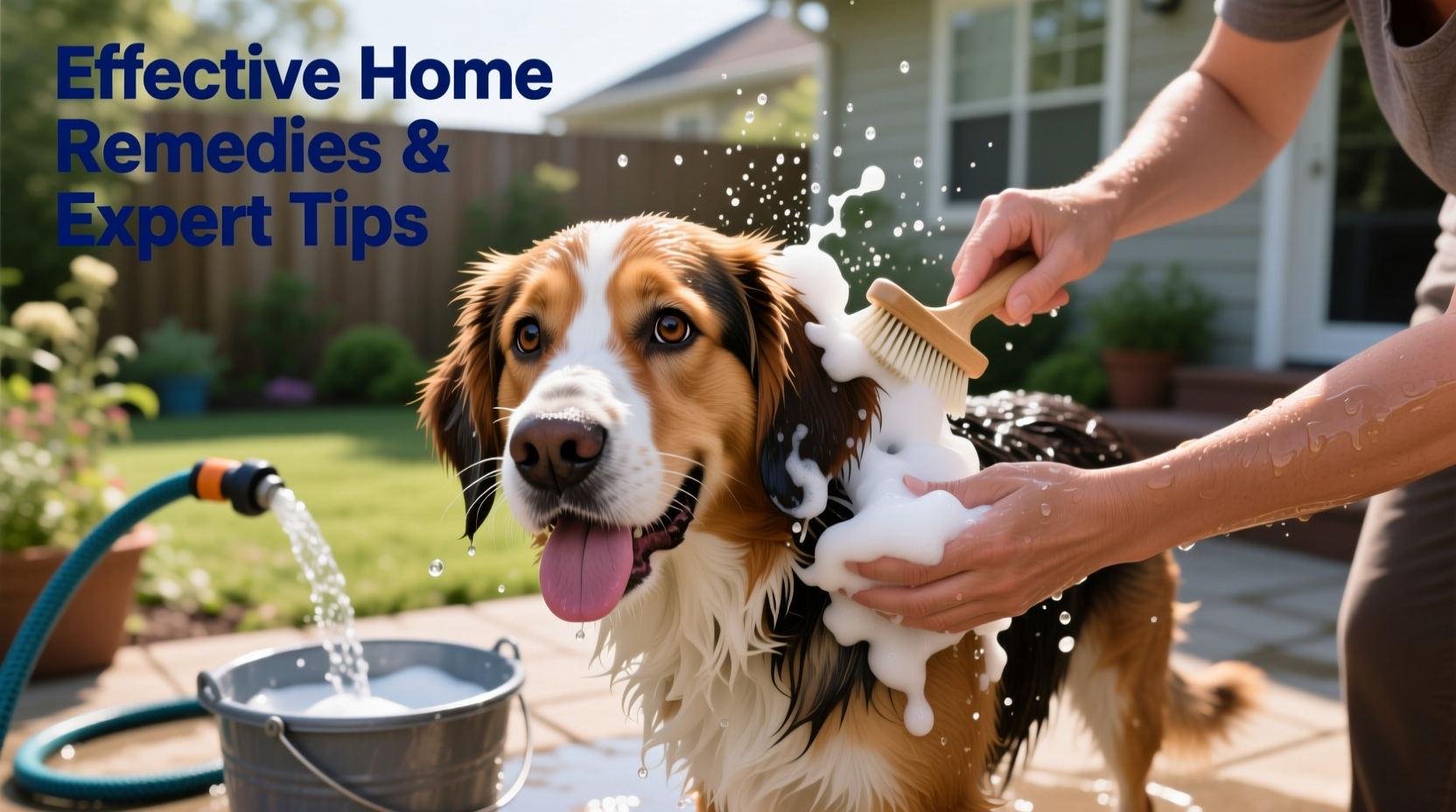
Skunk spray contains volatile thiols—sulfur-based compounds that bind tightly to proteins in your dog’s fur and skin. These molecules resist water and standard shampoos, which is why rinsing with water alone only spreads the odor. Thiols oxidize over time, but natural oxidation takes weeks. To eliminate the smell fast, you need a solution that chemically breaks down these compounds at the molecular level.
“Skunk odor isn’t just surface-level dirt—it’s a chemical bond. You need a reaction, not just cleaning.” — Dr. Laura Bennett, DVM, Veterinary Dermatology Specialist
The Fastest Home Remedy: The Original Skunk Odor Neutralizer
The most scientifically supported home remedy was developed by chemist Paul Krebaum and has been widely recommended by veterinarians. Unlike masking agents, this formula chemically alters thiols into odorless compounds.
Tip: Mix this solution fresh each time—do not store it. The mixture can produce gas and may explode if sealed in a container.Ingredients:
- 1 quart (32 oz) of 3% hydrogen peroxide (use drugstore grade)
- ¼ cup (about 60 ml) of baking soda (sodium bicarbonate)
- 1 teaspoon of liquid dish soap (preferably fragrance-free)
Step-by-Step Application:
- Wear gloves to protect your hands from both the spray and the reactive solution.
- Mix ingredients in an open bucket or large bowl—never in a sealed bottle.
- Apply immediately to your dog’s coat, focusing on the most affected areas (face, chest, tail).
- Gently massage the foam into the fur and skin, avoiding eyes, ears, and mouth.
- Let the solution sit for 5 minutes—no longer, as prolonged exposure may bleach fur or irritate skin.
- Rinse thoroughly with lukewarm water.
- Repeat if necessary, then follow with a mild pet shampoo to remove residue.
This method works within minutes, significantly reducing odor after one application. It’s safe for dogs over 8 weeks old when used correctly.
Alternative Remedies When Peroxide Isn’t Available
If you don’t have hydrogen peroxide on hand, several other options can help reduce—but not fully eliminate—the odor. These are best used as temporary measures until you can apply the full Krebaum solution.
| Remedy | Effectiveness | Notes |
|---|---|---|
| Vinegar & Water (1:1) | Moderate | Helps cut through oil; may sting open skin. Rinse well. |
| Tomato juice soak | Low | Myth-busting: masks smell temporarily but doesn’t neutralize thiols. |
| Oatmeal shampoo bath | Moderate | Soothes skin and removes some oil; combine with vinegar rinse. |
| Activated charcoal paste | High (with contact time) | Mix with water, apply, wrap in towel, wait 30 mins. Messy but effective. |
What to Do Immediately After a Skunk Encounter
Time is critical. The faster you act, the less the oils penetrate the hair shaft and skin. Follow this emergency timeline:
0–15 Minutes Post-Spray
- Keep your dog outside to prevent spreading odor indoors.
- Rinse the face first with clean water using a hose or cup—avoid eyes.
- Prevent licking; the spray can irritate mucous membranes.
15–30 Minutes
- Prepare the hydrogen peroxide mixture or alternative cleaner.
- Leash your dog to maintain control during treatment.
30–60 Minutes
- Apply the chosen deodorizing solution following proper steps.
- Rinse and assess. If odor persists, repeat once.
After Treatment
- Wash any clothing, towels, or leashes exposed to the spray separately.
- Vacuum outdoor entry points and wipe down floors with a vinegar-water solution.
“Delaying treatment beyond two hours allows thiols to bind more deeply, making removal harder.” — Dr. Elena Torres, Emergency Veterinary Technician
Case Study: Bella the Beagle’s Midnight Skunk Run-In
Bella, a 2-year-old beagle in rural Wisconsin, charged a skunk near her backyard shed around 10 PM. Her owner, Mark, noticed the strong odor instantly and acted quickly. He kept Bella on the porch, rinsed her face and chest with a garden hose, and prepared the peroxide-baking soda solution. After one 5-minute application and thorough rinse, the overwhelming stench dropped by 90%. A second mild shampoo wash removed residual film. By morning, only a faint trace remained, gone completely within 24 hours. Neighbors later confirmed they hadn’t detected any indoor odor—a testament to prompt, correct treatment.
Common Mistakes That Make Skunk Smell Worse
Avoid these frequent errors that prolong suffering and complicate cleanup:
- Using hot water – Opens pores and drives odor deeper into skin.
- Waiting too long – Delay reduces the effectiveness of chemical neutralizers.
- Using bleach or ammonia – Toxic to pets and can create dangerous fumes when mixed with skunk compounds.
- Skipping eye protection – The solution can cause irritation if splashed.
- Putting clothes worn during cleanup back in the closet – They retain odor and will re-contaminate your space.
Frequently Asked Questions
Can I use this remedy on puppies?
The hydrogen peroxide formula is safe for puppies over 8 weeks old. For younger pups, consult your vet first. Use extra care around the face and avoid prolonged contact.
Will the peroxide solution bleach my dog’s coat?
Prolonged or repeated use may lighten dark fur, especially black or chocolate coats. Limit applications to twice, and always rinse thoroughly. White or light-colored dogs show no adverse effects.
What if my dog got sprayed in the eyes?
Flush the eyes immediately with saline solution or clean water for at least 10 minutes. Seek veterinary care promptly if redness, squinting, or discharge occurs. Skunk spray can cause temporary corneal damage.
Essential Checklist for Skunk Spray Cleanup
Keep this list handy for emergencies:
- ✅ Keep your dog outside post-spray
- ✅ Gather gloves, goggles, and old towels
- ✅ Prepare hydrogen peroxide, baking soda, and dish soap
- ✅ Mix fresh solution in an open container
- ✅ Apply to coat, avoid eyes and ears
- ✅ Wait 5 minutes, then rinse thoroughly
- ✅ Repeat if needed, then shampoo gently
- ✅ Wash all fabrics and disinfect entry areas
Final Tips for Prevention and Peace of Mind
While you can’t always prevent skunk encounters, you can reduce risks. Keep your yard free of brush piles and seal off crawl spaces under decks where skunks den. Walk your dog on a leash at dawn and dusk, when skunks are most active. Consider installing motion-sensor lights to deter nocturnal animals.
Most importantly, prepare now. Store hydrogen peroxide, baking soda, and dish soap in a labeled “skunk kit” in your garage or mudroom. Include gloves and a plastic mixing bowl so you’re ready in seconds when disaster strikes.
Conclusion
Removing skunk spray from your dog doesn’t require expensive products or endless scrubbing. With a simple, science-backed formula and quick action, you can eliminate the odor effectively and safely. Understanding the chemistry behind the smell empowers you to respond wisely—not with myths, but with real solutions. Your dog will thank you, and your home will stay fresh.
💬 Have a skunk story or a tip that worked for your pet? Share your experience below and help fellow pet owners handle this smelly situation with confidence.








