
Pink eye, or conjunctivitis, is a common condition in dogs that causes redness, swelling, discharge, and discomfort in the eyes. While it can be alarming to see your pet squinting or pawing at their face, many mild cases can be managed at home with proper care. However, knowing when to act and when to seek veterinary help is crucial. This guide provides safe, practical, and vet-informed home remedies and care strategies to support your dog’s recovery while avoiding complications.
Understanding Canine Conjunctivitis
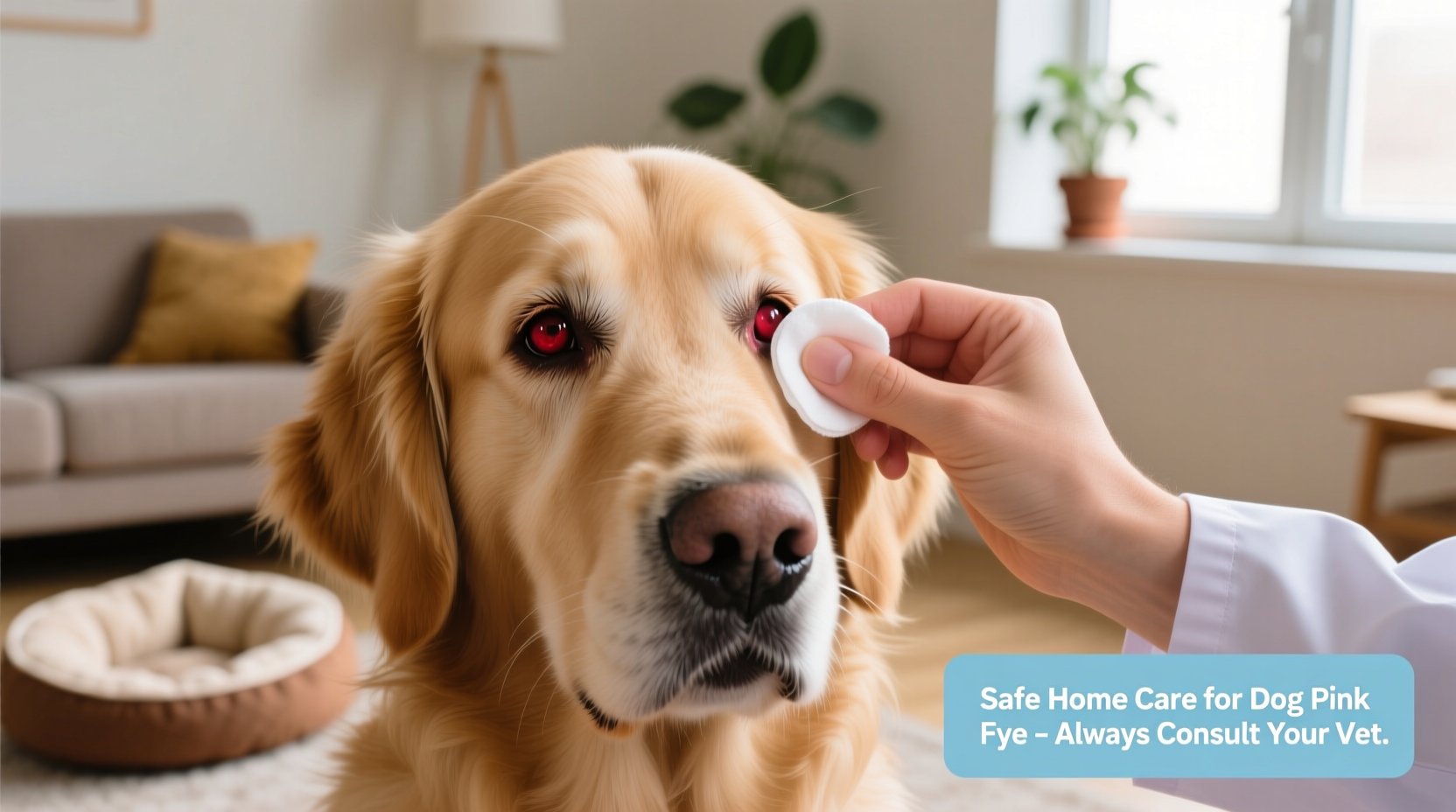
Conjunctivitis occurs when the conjunctiva—the thin membrane covering the white part of the eye and lining the inner eyelids—becomes inflamed. It can result from allergies, foreign bodies, irritants, viral infections, bacterial infections, or underlying conditions like dry eye or eyelash abnormalities.
Dogs may show symptoms such as:
- Red, bloodshot eyes
- Excessive blinking or squinting
- Watery or thick yellow-green discharge
- Pawing or rubbing the eyes
- Swollen eyelids
- Sensitivity to light
While mild irritation might resolve with home care, persistent or worsening symptoms require professional diagnosis. Never assume it’s “just pink eye” without ruling out serious issues like corneal ulcers or glaucoma.
“Not all eye redness is simple conjunctivitis. A delay in proper treatment can lead to vision loss.” — Dr. Laura Chen, DVM, Veterinary Ophthalmology Specialist
Safe Home Remedies for Mild Cases
If your dog has mild symptoms and is otherwise acting normal (eating well, active, no severe pain), you can try gentle supportive care at home. The goal is to reduce inflammation, flush irritants, and prevent secondary infection.
1. Saline Eye Flush
A sterile saline solution (the kind used for contact lenses) can help rinse dust, pollen, or debris from the eye. Use a clean dropper or eye wash bottle.
- Tilt your dog’s head slightly downward.
- Gently pull back the upper eyelid.
- Flush the eye with 3–5 ml of saline.
- Allow your dog to blink and wipe away excess with a soft, damp cloth.
Repeat 2–3 times daily as needed.
2. Warm Compresses
Warmth increases blood flow and helps loosen crusty discharge. Use a clean washcloth soaked in warm (not hot) water.
Tip: Always test the temperature on your wrist before applying. Never use heating pads or microwaved cloths directly on your dog’s eye.Apply the compress for 1–2 minutes, 2–3 times a day. Gently wipe from the inner to outer corner of the eye to avoid pushing debris into the tear duct.
3. Chamomile Tea Rinse (Cooled)
Chamomile has natural anti-inflammatory and soothing properties. Brew a weak, organic chamomile tea, let it cool completely, and use it as an eyewash.
Soak a cotton ball and gently dab around the eye area—never pour directly into the eye unless advised by a vet. Discard after each use to prevent contamination.
Care Tips to Support Healing
Beyond direct treatment, managing your dog’s environment and behavior plays a key role in recovery.
Tip: Prevent your dog from rubbing their eyes by using an Elizabethan collar if necessary—even if they seem uncomfortable wearing it.- Keep the eye area clean: Wipe away discharge daily with a soft, moistened cloth. Use a fresh section for each eye to avoid cross-contamination.
- Avoid smoke, dust, and strong scents: These can worsen irritation. Keep your home well-ventilated but free of aerosols, candles, or cleaning fumes near your pet.
- Limit outdoor exposure during high pollen times: Early morning and late afternoon are peak allergy hours. Wipe your dog’s face with a damp towel after walks.
- Don’t share towels or bedding: Wash your dog’s bedding, collars, and blankets in hot water to eliminate allergens and bacteria.
When to See a Veterinarian: A Clear Checklist
Home remedies are supportive, not curative. Some conditions mimic pink eye but require prescription treatment. Use this checklist to determine when professional care is essential:
Seek immediate veterinary attention if your dog shows:- Severe swelling or bulging of the eye
- Prolonged squinting or keeping the eye shut
- Cloudiness, discoloration, or visible injury to the eyeball
- Pain when touched near the eye
- Symptoms lasting more than 48 hours despite home care
- Discharge turning thick, green, or bloody
- Behavioral changes like lethargy or loss of appetite
Vets may prescribe antibiotic ointments, anti-inflammatory drops, or antihistamines depending on the cause. In cases of dry eye or entropion (inward rolling eyelids), long-term management is often required.
Real-Life Example: Managing Max’s Allergy-Induced Pink Eye
Max, a 4-year-old Golden Retriever, began squinting one spring morning after a walk through a grassy park. His owner noticed watery discharge and redness in his left eye. There was no obvious injury, and Max was playful and eating normally.
Following home care advice, Max’s owner flushed his eye with sterile saline twice daily and applied warm compresses. They wiped his face after each outing and kept him indoors during peak pollen hours. By day three, the redness had decreased significantly. However, because symptoms didn’t fully resolve by day five, they consulted a vet. The diagnosis was allergic conjunctivitis, and a low-dose antihistamine eye drop was prescribed. With combined home care and medication, Max recovered within ten days.
This case highlights the importance of monitoring progress and knowing when to escalate care—even seemingly mild issues can persist without targeted treatment.
Do’s and Don’ts: Quick Reference Table
| Do’s | Don’ts |
|---|---|
| Use sterile saline to flush the eye | Use tap water or homemade solutions directly in the eye |
| Apply warm (not hot) compresses | Touch the eye with unwashed hands or dirty cloths |
| Wipe discharge from inner to outer eye | Use human eye drops (especially those with vasoconstrictors) |
| Monitor symptoms daily | Delay vet visits if no improvement in 2–3 days |
| Prevent eye rubbing with a cone if needed | Let your dog swim or get water in the eyes during treatment |
Frequently Asked Questions
Can I use human eye drops for my dog?
No. Many over-the-counter human eye drops contain preservatives or decongestants (like tetrahydrozoline) that can harm dogs. Only use medications specifically approved by a veterinarian.
Is pink eye contagious between dogs?
Viral or bacterial conjunctivitis can be contagious. If one dog in a household develops it, isolate them if possible, and wash shared items thoroughly. Monitor other pets closely for symptoms.
How long does dog pink eye last?
Mild cases may improve within 3–5 days with proper care. Persistent cases lasting over a week, or those with worsening signs, need veterinary evaluation to rule out deeper issues.
Final Thoughts: Act Early, Care Wisely
Supporting your dog through pink eye starts with observation, gentle hygiene, and informed action. While safe home remedies can ease discomfort and aid healing, they are not substitutes for professional diagnosis when symptoms persist. Your dog’s eyes are delicate and vital—early intervention protects both comfort and long-term vision.
💬 Have experience treating your dog’s eye issues at home? Share your story or tips in the comments to help fellow pet owners provide safer, smarter care.








