Long-haired cat breeds like Persians, Maine Coons, and Ragdolls are admired for their luxurious coats and regal appearance. However, that beauty comes with responsibility. Without consistent care, their fur can quickly become matted, tangled, and uncomfortable—leading to skin irritation, painful knots, and even health complications. Effective grooming isn’t just about aesthetics; it’s a critical part of maintaining your cat’s physical comfort and emotional well-being.
The good news is that with the right tools, techniques, and routine, managing a long-haired cat’s coat doesn’t have to be overwhelming. By understanding the challenges and implementing practical solutions, owners can transform grooming from a chore into a bonding experience that benefits both cat and caregiver.
Understanding the Challenges of Long-Haired Cat Coats
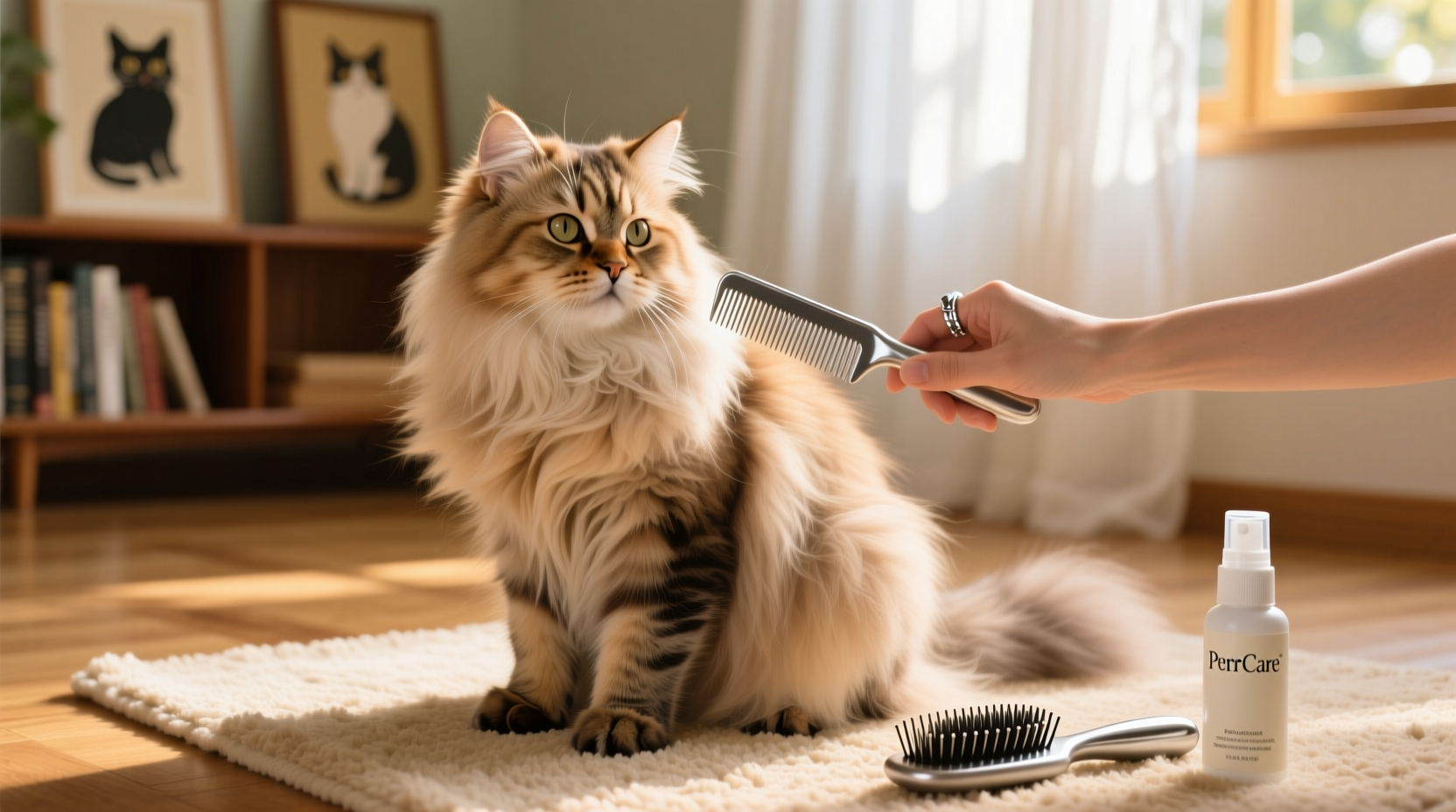
Long-haired cats produce a dense undercoat beneath their top layer of fur. This double-layered structure traps loose hair, especially during seasonal shedding periods in spring and fall. Without daily attention, this trapped hair forms mats—tight clumps close to the skin that pull on follicles and restrict airflow, creating an environment conducive to bacteria and hot spots.
Mats commonly develop behind the ears, under the legs, around the collar area, and along the belly—places where friction occurs or self-grooming is difficult. In severe cases, matting can lead to sores, infections, and necessitate full-body shaving by a veterinarian, which many cats find stressful.
“Regular brushing isn’t optional for long-haired cats—it’s essential. Mats aren’t just unsightly; they cause real discomfort and can mask underlying skin issues.” — Dr. Lena Torres, Feline Dermatology Specialist
Essential Grooming Tools and Their Uses
Using the correct tools makes all the difference in effectiveness and comfort. A mismatch between tool and coat type can result in ineffective detangling or accidental pulling, making your cat resistant to future sessions.
| Tool | Purpose | Recommended Frequency |
|---|---|---|
| Slicker Brush | Removes tangles and loose undercoat; ideal for daily use | Daily or every other day |
| Comb (Wide & Fine-Toothed) | Detangles fine knots and checks for hidden mats near the skin | Every session after brushing |
| Undercoat Rake | Reaches deep into the undercoat during heavy shedding seasons | 2–3 times per week in peak shedding months |
| Cat-Safe Scissors (Blunt-Tipped) | Carefully cuts small tangles; never used on large mats | As needed, with caution |
| Grooming Glove | Gentle option for sensitive cats; removes surface shedding | Daily for light maintenance |
Step-by-Step Grooming Routine for Long-Haired Cats
A structured approach ensures thoroughness without overwhelming your pet. Follow this timeline to build a sustainable routine:
- Prepare the Environment (5 minutes): Choose a quiet room free from distractions. Lay down a non-slip mat and have treats ready. Ensure all tools are within reach.
- Begin with a Slicker Brush (10–15 minutes): Work through the coat section by section. Pay special attention to high-friction zones: armpits, behind the ears, and along the spine.
- Follow with a Comb (5–10 minutes): Run both wide and fine-toothed combs through each area. If the comb snags, do not force it—return with the slicker brush first.
- Address Small Tangles (as needed): For minor knots, apply a small amount of detangling spray and gently work them apart with fingers or the comb tip. Never yank.
- Rinse with a Grooming Wipe (optional, 2 minutes): Use a cat-safe grooming wipe to remove dust and distribute natural oils, especially on the face and paws.
- End with Positive Reinforcement (5 minutes): Offer treats, praise, or playtime to create a positive association.
Consistency is more important than duration. Even five focused minutes daily prevents the buildup that leads to major grooming emergencies.
Real Example: Managing Matting in a Senior Persian Cat
Mrs. Alvarez adopted a 10-year-old Persian named Luna who had been poorly groomed in her previous home. Within weeks, Luna developed thick mats along her flanks and underbelly. Attempts to brush only caused her to hiss and retreat.
Working with a veterinary technician, Mrs. Alvarez started a gradual desensitization plan. She began by touching Luna’s sides with the brush handle (no bristles) while offering tuna paste. Over two weeks, she progressed to brief brushing sessions of 90 seconds, always ending positively.
She used a detangling spray and introduced the comb slowly. For existing mats, she consulted a professional groomer who safely removed them under supervision. After six weeks, Luna tolerated 15-minute grooming sessions and showed no new mat formation. The key was patience and pairing each step with trust-building.
Common Mistakes to Avoid
- Skipping grooming because the cat grooms itself: Cats cannot reach all areas, especially as they age or gain weight.
- Using human brushes or combs: These are often too harsh and ineffective for feline coats.
- Wet brushing dry, tangled fur: This worsens knots. Only brush when the coat is dry unless using a product designed for wet detangling.
- Ignoring early signs of matting: Small tangles grow quickly. Catch them early.
- Shaving at home without training: Clippers can burn sensitive skin. Leave full shaves to professionals.
Grooming Checklist for Long-Haired Cat Owners
- Weekly:
- ✔️ Brush entire coat at least 4–5 times
- ✔️ Check ears and clean if needed with vet-approved solution
- ✔️ Inspect skin for redness, bald patches, or parasites
- Monthly:
- ✔️ Trim nails carefully
- ✔️ Clean around eyes with damp cloth to remove tear stains
- ✔️ Evaluate coat thickness—consider seasonal de-shedding treatments
- As Needed:
- ✔️ Use detangling spray on emerging knots
- ✔️ Schedule professional grooming if mats appear
- ✔️ Bathe only when necessary (every 3–6 months) using cat-specific shampoo
Frequently Asked Questions
How often should I bathe my long-haired cat?
Bathing is rarely needed more than every 3–6 months unless your cat gets into something messy or has a skin condition. Over-bathing strips natural oils and can increase oil production, leading to greasier fur. When bathing, use a gentle, pH-balanced cat shampoo and rinse thoroughly.
Can I use human detangling sprays on my cat?
No. Human products may contain ingredients toxic if ingested during self-grooming, such as essential oils or alcohol. Always choose sprays specifically formulated for cats, preferably fragrance-free and hypoallergenic.
My cat hates being brushed—what can I do?
Start slowly. Touch the brush to your cat without brushing, reward calm behavior, and gradually increase contact. Try different tools—some cats prefer grooming gloves. Short, frequent sessions are better than infrequent long ones. If resistance persists, consult a behaviorist or professional groomer for guidance.
Conclusion: Make Grooming a Pillar of Care
Effective grooming solutions for long-haired cats go beyond keeping their fur shiny—they’re fundamental to preventing pain, infection, and stress. With the right tools, a consistent routine, and a compassionate approach, grooming becomes a cornerstone of responsible pet ownership. It strengthens the bond between you and your cat while ensuring they remain healthy, comfortable, and happy in their magnificent coat.
💬 Have a grooming tip that worked wonders for your long-haired cat? Share your experience in the comments and help fellow cat lovers navigate the world of feline coat care with confidence.








