Mini Goldendoodles are beloved for their affectionate nature and low-shedding, curly to wavy coats. However, their beautiful fur requires consistent grooming to prevent matting, reduce shedding, and maintain skin health. Without proper care, their dense undercoat can quickly become tangled, leading to discomfort and costly professional grooming visits. The right brush, combined with an effective routine, makes all the difference in keeping your mini Goldendoodle looking and feeling their best.
Understanding Mini Goldendoodle Coat Characteristics
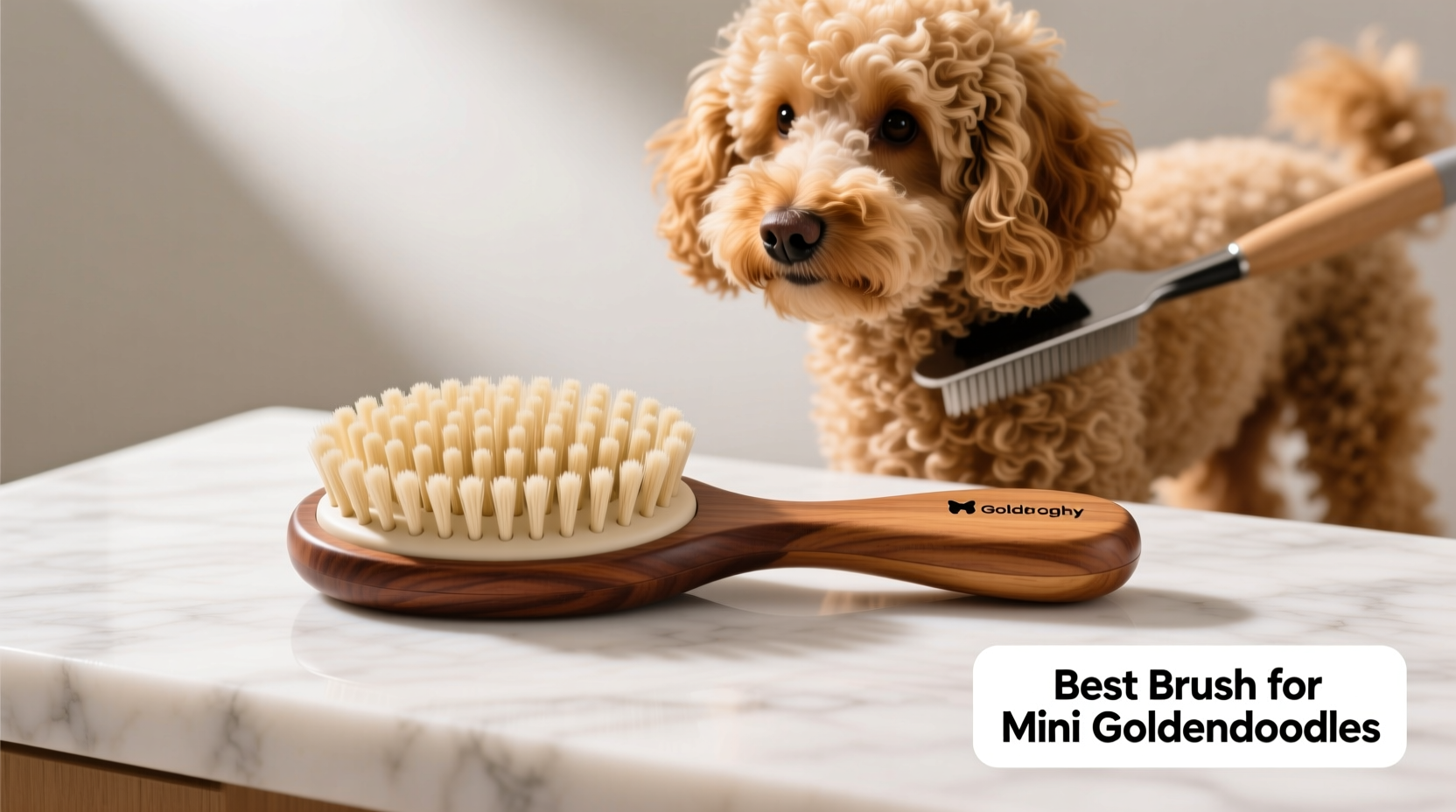
Mini Goldendoodles inherit their coat from both parent breeds—the Poodle and the Golden Retriever—resulting in a wide range of textures. Coats can be straight, wavy, or tightly curled, but most share one common trait: high maintenance. Their fur is prone to trapping moisture, debris, and dead hair, which leads to mats if not regularly brushed.
The undercoat is particularly dense in many mini Goldendoodles, especially those with fleece or wool coats. This underlayer insulates them but also holds onto loose hair and dander. Tangles often form behind the ears, under the legs, around the collar, and along the belly—areas that need special attention during grooming.
“Daily brushing isn’t just about appearance—it’s essential for preventing painful mats and maintaining skin circulation.” — Dr. Lena Torres, Veterinary Dermatologist
Choosing the Best Brush for Mini Goldendoodle Coats
Not all brushes are created equal when it comes to managing a mini Goldendoodle’s unique coat. Using the wrong tool can pull hair, irritate the skin, or leave tangles untouched. The ideal grooming kit includes multiple tools designed for different purposes.
Essential Brush Types and Their Uses
| Brush Type | Purpose | Best For |
|---|---|---|
| Slicker Brush | Removes tangles, loose hair, and undercoat debris | Daily detangling, especially in high-friction areas |
| Pin Brush | Smooths topcoat and removes light tangles | Finishing after slicker brushing, wavy coats |
| Undercoat Rake | Reaches deep into the undercoat to remove dead hair | Dense, fluffy coats; seasonal shedding periods |
| Dematting Comb | Safely cuts through small mats without pulling | Spot treatment of early-stage mats |
| Steel Comb (Wide & Narrow Teeth) | Final check for hidden tangles and debris | All coat types, pre-bath and post-grooming |
The **Hertzko Self-Cleaning Slicker Brush** and **FURminator Undercoat Tool** are consistently recommended by groomers for their effectiveness and comfort. Look for brushes with flexible wire pins and ergonomic handles to reduce wrist strain during longer sessions.
Tip: Always brush your mini Goldendoodle before bathing. Wet mats tighten and become nearly impossible to remove without clipping.Step-by-Step Grooming Routine for Optimal Coat Health
A structured grooming process ensures no area is missed and helps your dog stay calm and cooperative. Follow this sequence for thorough, stress-free brushing:
- Inspect the Coat: Run your hands over the body to detect mats, sensitive spots, or skin irritation.
- Start with the Slicker Brush: Work in small sections, brushing from the skin outward. Focus on common mat zones: armpits, behind ears, and hindquarters.
- Use the Undercoat Rake: Especially during shedding seasons (spring and fall), gently rake through thick areas to lift dead undercoat.
- Finish with a Pin Brush: Smooth the outer coat and distribute natural oils for a healthy shine.
- Final Check with Steel Comb: Run the comb through each section. If it snags, go back with the slicker brush.
- Trim as Needed: Use grooming scissors for paw fur, sanitary areas, and ear fringes.
This routine should take 15–20 minutes when done every 2–3 days. Skipping sessions leads to compounding tangles that require professional intervention.
Real-Life Example: Managing Matting in a Busy Household
Sarah, a working mom in Austin, adopted a mini Goldendoodle named Milo at eight weeks old. Initially, she brushed him once a week, thinking that was sufficient. By six months, Milo developed severe mats behind his ears and under his legs. A groomer had to shave him down, which devastated Sarah—and left Milo anxious about grooming.
After consulting a professional groomer, Sarah switched to a three-times-weekly routine using a slicker brush and undercoat rake. She kept the brush near the couch and incorporated brushing into evening downtime while watching TV. Within two weeks, Milo began to enjoy the process, and his coat regained its soft, tangle-free texture. Today, he’s fully cooperative during grooming and hasn’t needed a full clip since.
This case illustrates how consistency—not frequency alone—prevents long-term issues. Even short, focused sessions are more effective than infrequent deep grooming.
Effective Grooming Solutions Beyond Brushing
Brushing is the cornerstone of coat care, but supporting practices enhance results and reduce grooming time.
- Bathing Every 4–6 Weeks: Use a moisturizing, sulfate-free shampoo to avoid drying out the skin. Overbathing strips natural oils and increases matting risk.
- Blow-Drying with a Low Heat Setting: After bathing, use a pet dryer or cool-setting blow dryer to fluff the coat and ensure complete drying beneath the surface.
- Regular Trims: Visit a groomer every 8–10 weeks for a sanitary trim, paw shaping, and ear cleaning.
- Diet and Supplements: Omega-3 fatty acids from fish oil improve coat texture and reduce dryness, making brushing easier.
Grooming Checklist: Weekly Maintenance Plan
- Daily:
- Check for tangles, especially after outdoor play.
- Every 2–3 Days:
- Full-body brushing with slicker brush and steel comb.
- Weekly:
- Inspect ears, clean if needed; check paw pads for debris.
- Monthly:
- Bath with conditioner; blow-dry thoroughly.
- Every 8–10 Weeks:
- Professional trim and nail clipping.
Frequently Asked Questions
How often should I brush my mini Goldendoodle?
For optimal coat health, brush your mini Goldendoodle every 2–3 days. Daily brushing is ideal during heavy shedding seasons or if your dog has a denser coat. Less frequent brushing leads to matting, especially in friction-prone areas.
Can I use a human brush on my mini Goldendoodle?
No. Human brushes are not designed to penetrate thick undercoats or remove tangles safely. They may pull hair and miss underlying mats. Always use tools specifically made for dogs, preferably those suited for curly or mixed coats.
What should I do if I find a mat I can’t brush out?
If a mat is too tight to comb through gently, do not pull or cut it with regular scissors. Use a dematting tool to carefully break it apart from the edges. For large or skin-tight mats, consult a professional groomer to avoid injury.
Conclusion: Make Grooming a Seamless Part of Life
Caring for a mini Goldendoodle’s coat doesn’t have to be a chore. With the right brush, a consistent routine, and a few smart habits, grooming becomes a bonding experience that supports your dog’s health and comfort. The best brush—whether a high-quality slicker or an undercoat rake—is only effective when used regularly. Invest time now to prevent discomfort and expensive grooming emergencies later.
💬 Have a grooming tip that works for your mini Goldendoodle? Share your experience in the comments and help fellow owners keep their pups looking and feeling great!








