For small-scale sheep farmers, herding dogs are more than companions—they’re essential partners. In compact pastures or limited-acreage operations, the physical and mental demands on these dogs remain high despite reduced space. Proper feeding is not just about sustenance; it’s about sustaining energy, focus, and longevity. Yet many handlers overlook how specialized nutrition must be adapted to the unique workload of dogs in tiny sheep care systems. This guide delivers actionable, science-backed strategies to optimize your dog’s diet, performance, and well-being.
Nutritional Needs of Herding Dogs in Confined Operations
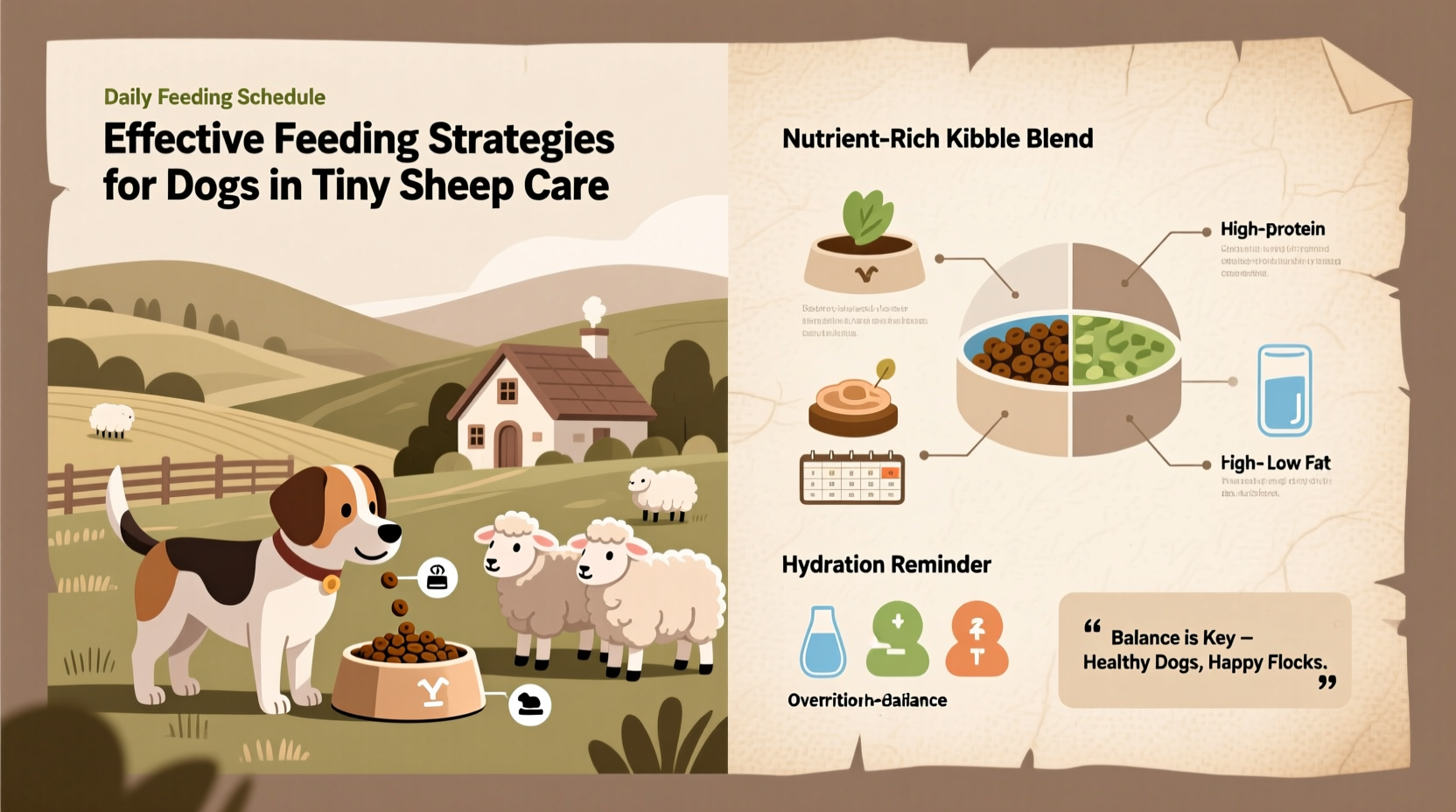
Even in smaller farming setups, herding dogs engage in bursts of intense activity—chasing, circling, and responding to commands with precision. These activities require sustained energy, rapid recovery, and sharp cognitive function. Unlike pets or even some farm dogs with lighter duties, herding breeds like Border Collies, Australian Shepherds, and Kelpies have elevated caloric and nutrient demands.
Their diets must prioritize:
- High-quality protein (25–30% of dry matter): Supports muscle repair and endurance.
- Moderate fat (15–20%): Provides concentrated energy, especially important during cold seasons or prolonged work.
- Complex carbohydrates: Offer steady glucose release without spiking insulin.
- Omega-3 and Omega-6 fatty acids: Reduce inflammation and support joint health, crucial for dogs making quick directional changes.
- Vitamins E and C, plus glucosamine: Aid in recovery and immune support after daily exertion.
“Working dogs in confined spaces often perform more intense, repetitive movements than those in open range. Their nutrition must reflect that metabolic stress.” — Dr. Lena Torres, Canine Sports Nutritionist, University of EdinburghTip: Rotate between two high-performance kibble brands every few months to prevent nutrient overloads and improve gut microbiome diversity.
Feeding Schedules Aligned with Workload Cycles
In tiny sheep care systems, work patterns may be irregular—short but frequent sessions due to proximity of animals and handlers. Feeding should never occur immediately before or after intense activity. Doing so increases the risk of gastric torsion and reduces nutrient absorption.
A structured feeding timeline improves digestion and energy availability:
- Feed main meal 3–4 hours before work: Allows time for digestion and prevents bloating during exercise.
- Offer hydration and light snacks post-work: A small portion of wet food or boiled chicken can kickstart recovery without overwhelming the stomach.
- Second meal 2 hours after work ends: Replenishes glycogen stores and supports overnight muscle repair.
- Free water access at all times: Especially critical in warm weather or when feeding dry kibble.
Dogs working only once per day may thrive on a twice-daily plan. Those involved in multiple short shifts—common in rotational grazing on small plots—benefit from three smaller meals to maintain consistent energy levels.
Customizing Diets by Breed, Age, and Environment
No single diet fits all herding dogs. Factors such as breed size, age, climate, and pasture terrain dramatically influence nutritional needs. Below is a comparative overview of adjustments based on key variables:
| Breed/Size | Caloric Range (kcal/day) | Protein Focus | Special Considerations |
|---|---|---|---|
| Border Collie (Medium) | 1,200–1,800 | Lean meat sources (chicken, fish) | Prone to hip dysplasia; add joint supplements |
| Australian Shepherd | 1,500–2,000 | Higher fat for dense coat insulation | Sensitive to grain fillers; use grain-free formulas |
| Kelpie (Large variant) | 1,800–2,400 | Beef/lamb-based proteins | Needs taurine support for cardiac health |
| Puppy (under 1 year) | Adjust by weight + 30% | Higher calcium & DHA | Avoid overfeeding to prevent joint strain |
| Senior (7+ years) | Reduce by 15–20% | Easily digestible proteins (e.g., egg, hydrolyzed) | Add chondroitin and antioxidants |
Environmental conditions also matter. Dogs in cooler climates burn more calories to maintain body heat, requiring up to 20% more food in winter. Conversely, summer work demands electrolyte balance—consider adding a pinch of uniodized salt to meals or using vet-approved canine electrolyte powders.
Real-World Example: Feeding Success on a 5-Acre Sheep Farm
Jamie Reed manages a flock of 28 sheep on a five-acre plot in Vermont. With two Border Collies handling daily herd movements across tight paddocks, Jamie noticed one dog, Scout, was tiring quickly and showing signs of irritability. After consulting a veterinary nutritionist, Jamie adjusted the feeding protocol:
- Switched from standard adult kibble to a performance formula with 28% protein and added salmon oil.
- Split meals: 60% fed at 6 AM, 40% at 6 PM after evening check.
- Introduced bi-weekly boiled liver treats as midday rewards during training.
- Added a weekly fast day with half-rations to simulate natural feeding rhythms and aid digestion.
Within four weeks, Scout regained stamina and focus. The other dog, Piper, already on a robust diet, maintained peak condition. Jamie now rotates protein sources monthly—beef one month, poultry the next—to prevent sensitivities. “I used to think ‘dog food is dog food,’” Jamie says. “Now I see it’s as strategic as fencing or grazing rotation.”
Common Feeding Mistakes and How to Avoid Them
Even experienced handlers make errors that compromise their dogs’ effectiveness. Awareness is the first step toward correction:
Tip: Never feed a dog immediately after vigorous work. Wait at least 45 minutes to allow heart rate and digestion to normalize.- Over-rewarding with treats: High-calorie treats during training can lead to obesity, especially in compact operations where movement is limited.
- Using human leftovers: Onions, garlic, and fatty scraps are toxic or hard to digest.
- Ignoring water quality: Stagnant or algae-filled water tanks reduce intake and increase illness risk.
- Free-feeding: Leads to inconsistent energy levels and poor appetite regulation.
- Skipping transition periods: Abrupt diet changes cause diarrhea and nutrient malabsorption.
When switching foods, use a 7-day blend method: start with 25% new food mixed into old, increasing by 25% every two days.
Essential Feeding Checklist for Tiny Sheep Care Handlers
Use this checklist weekly to ensure optimal feeding practices:
- ✔ Assess body condition score (ribs should be palpable but not visible).
- ✔ Weigh daily food portions—don’t estimate.
- ✔ Clean food and water bowls daily with mild soap.
- ✔ Monitor stool consistency—firm and brown indicates good digestion.
- ✔ Adjust calories seasonally (increase in winter, slight decrease in summer).
- ✔ Schedule annual blood panels to check organ function and nutrient levels.
- ✔ Store kibble in airtight containers away from heat and moisture.
Frequently Asked Questions
Can I feed my herding dog raw meat?
Raw diets can be beneficial if properly balanced, but they carry risks of bacterial contamination and nutrient imbalances. If choosing raw, consult a veterinary nutritionist and include bone, organ, and muscle meat in correct ratios. Never feed raw pork or wild game due to parasite risks.
How do I know if my dog is underfed or overfed?
An underfed dog shows rib visibility, dull coat, low energy, and obsession with food. An overfed dog has no waistline, difficulty moving, and lethargy. Use the body condition score chart (available through vet clinics) to assess objectively.
Should I give supplements?
Yes, if recommended. Joint supplements (glucosamine/chondroitin), omega-3s, and probiotics are commonly beneficial. Avoid multivitamins unless a deficiency is confirmed—excess vitamins A and D can be toxic.
Final Thoughts: Feed for Performance, Not Just Fullness
Feeding a herding dog in a tiny sheep care system isn’t about filling a bowl—it’s about fueling precision, resilience, and partnership. Every meal is an investment in your dog’s ability to work safely and effectively. By aligning nutrition with workload, environment, and individual needs, you extend not only their working life but their overall health and happiness.
💬 Ready to optimize your dog’s diet? Start today by auditing one meal—check the label, measure the portion, and observe your dog’s response. Share your journey or ask questions in the comments below.








