
Swimmer’s ear—medically known as otitis externa—is a common condition caused by water trapped in the ear canal, creating a moist environment where bacteria or fungi can grow. It’s not exclusive to competitive swimmers; anyone exposed to frequent moisture, humidity, or minor ear trauma (like from cotton swabs) is at risk. Left untreated, it can lead to pain, swelling, and even temporary hearing loss. While severe cases require medical attention, many mild instances respond well to safe, at-home remedies when applied correctly.
This guide outlines practical, evidence-backed treatments you can use at home, along with essential prevention strategies to reduce recurrence. The focus is on safety, effectiveness, and long-term ear health—without resorting to risky or outdated methods.
Understanding Swimmer’s Ear: Causes and Early Signs
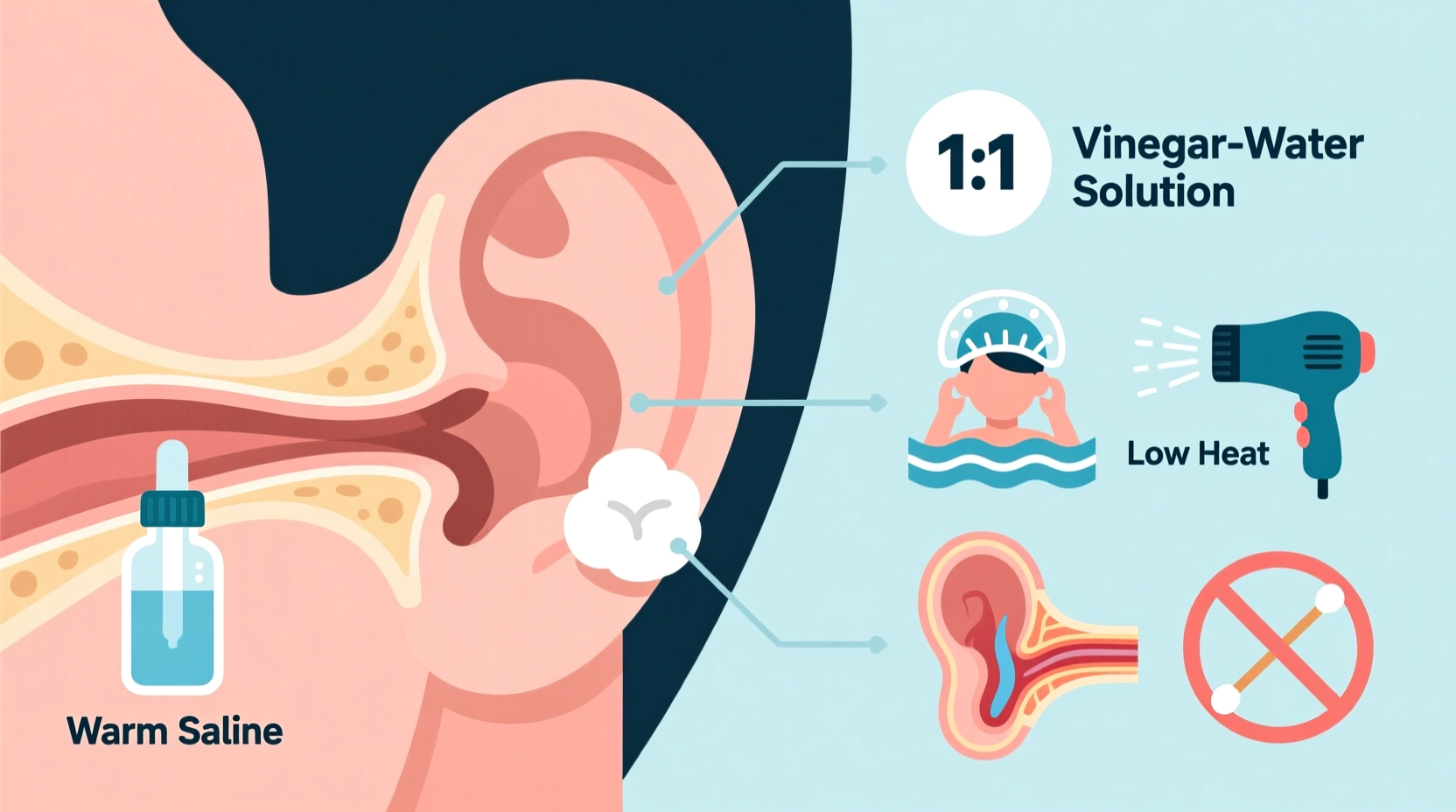
Swimmer’s ear develops when the protective lipid layer of the ear canal is compromised. This often happens due to excessive moisture, aggressive cleaning, or exposure to polluted water. Unlike middle ear infections (otitis media), which originate behind the eardrum, swimmer’s ear affects the outer ear canal and typically causes localized discomfort.
Early symptoms include:
- Mild itching inside the ear
- Slight redness or irritation
- A feeling of fullness or muffled hearing
- Minor drainage of clear fluid
If left unchecked, symptoms may progress to intense pain, especially when moving the earlobe or jaw, noticeable swelling, pus-like discharge, and even fever. Recognizing early signs allows for prompt intervention using safe home treatments before complications arise.
“Early treatment of swimmer’s ear can prevent progression and reduce the need for prescription medications.” — Dr. Lena Patel, Board-Certified Otolaryngologist
Safe and Effective At-Home Treatments
When caught early, swimmer’s ear can often be managed with simple remedies that restore the ear’s natural pH and dry out excess moisture. These treatments are most effective within the first 24–48 hours of symptom onset.
Vinegar and Alcohol Ear Drops
A mixture of white vinegar and rubbing alcohol (in a 1:1 ratio) is one of the most studied home treatments. The acetic acid in vinegar inhibits bacterial and fungal growth, while alcohol helps evaporate trapped water.
Tip: Warm the solution slightly by holding the container in your hands for a few minutes—never heat it directly. Cold drops can cause dizziness.To use:
- Lie on your side with the affected ear facing up.
- Use a clean dropper to place 3–5 drops into the ear.
- Keep still for 3–5 minutes to allow penetration.
- Repeat twice daily for up to three days.
Olive Oil and Garlic Infusion (with caution)
While garlic has natural antimicrobial properties, this remedy should only be used if the eardrum is intact. Never use oil-based solutions if you suspect a perforation or have had ear surgery.
Mix warm (not hot) olive oil with crushed garlic, let sit for 30 minutes, strain, and apply 2–3 drops. This may soothe inflammation but is less reliable than vinegar-alcohol for infection control.
Warm Compresses for Pain Relief
Applying a warm, moist compress to the outer ear can ease discomfort and promote circulation. Use a clean washcloth soaked in warm water, wrung out, and held gently against the ear for 10–15 minutes.
What Not to Do: Common Mistakes to Avoid
Improper care can worsen swimmer’s ear or delay healing. Below is a summary of actions to avoid:
| Action | Why It’s Harmful |
|---|---|
| Using cotton swabs | Removes protective earwax and may scratch the canal lining, increasing infection risk. |
| Inserting fingers or sharp objects | Causes micro-abrasions that serve as entry points for bacteria. |
| Using undiluted hydrogen peroxide frequently | Can irritate sensitive skin and disrupt natural flora. |
| Ignoring worsening symptoms | Pain spreading beyond the ear or fever may indicate deeper infection needing antibiotics. |
Prevention: Protecting Your Ears Long-Term
Preventing swimmer’s ear is far more effective than treating it. Those who swim regularly, live in humid climates, or use hearing aids are especially vulnerable and should adopt routine protective habits.
Waterproofing Strategies
- Use silicone earplugs when swimming or showering. Custom-molded versions offer the best fit.
- Wear a swim cap that covers the ears during prolonged water exposure.
- Tilt your head after swimming to drain each ear, then gently tug the earlobe in different directions to help water escape.
Drying Techniques After Water Exposure
Relying on air drying isn’t always enough. A safe and effective method is using a hairdryer on the lowest, coolest setting, held at least 12 inches from the ear. Move it slowly to circulate air without overheating the skin.
Tip: Create a homemade drying solution (vinegar + alcohol) and keep it in a small dropper bottle near your shower for post-swim use.Real-Life Example: Managing Recurrent Swimmer’s Ear
Jamal, a high school swimmer, experienced recurring ear pain every summer. Initially dismissing it as “just water in the ear,” he eventually developed severe pain and partial hearing loss. After visiting an ENT specialist, he was diagnosed with chronic otitis externa from repeated moisture exposure and habitual use of cotton swabs.
His doctor recommended stopping all ear probing and starting a preventive regimen: using custom earplugs during practice, applying vinegar-alcohol drops after every swim, and avoiding headphone use when ears felt damp. Within two months, his symptoms resolved, and he remained free of flare-ups for over a year with consistent care.
This case illustrates how combining professional diagnosis with disciplined home prevention can break the cycle of recurrent infection.
When to Seek Medical Help
While home treatments work for mild cases, certain warning signs require prompt medical evaluation:
- Severe pain not relieved by over-the-counter medication
- Swelling that closes the ear canal partially or completely
- Fever or swollen lymph nodes around the neck
- Drainage of pus or blood
- No improvement after 2–3 days of home care
In such cases, a healthcare provider may prescribe antibiotic or corticosteroid ear drops. Oral antibiotics are reserved for infections that spread beyond the ear canal.
FAQ
Can I use hydrogen peroxide to treat swimmer’s ear?
Occasional use of diluted hydrogen peroxide (mixed with equal parts water) may help remove debris, but frequent use can dry and irritate the ear canal. It’s not recommended as a primary treatment for active infection.
Is swimmer’s ear contagious?
No, swimmer’s ear is not contagious. It results from environmental factors like moisture and trauma, not person-to-person transmission.
Can children use the same home remedies?
Yes, but with caution. Always confirm the eardrum is intact before using any ear drops. For young children, consult a pediatrician before initiating treatment.
Final Checklist for Safe Home Care
- Confirm symptoms are mild and recent (less than 48 hours).
- Ensure no history of eardrum perforation or ear surgery.
- Prepare a sterile vinegar-alcohol solution (1:1 ratio).
- Apply 3–5 drops twice daily, lying on your side.
- Use a warm compress for pain between treatments.
- Avoid inserting anything into the ear canal.
- Stop and see a doctor if symptoms worsen or persist beyond 3 days.
Conclusion
Swimmer’s ear doesn’t have to sideline you from enjoying water activities or disrupt your daily comfort. With timely, informed action, most mild cases can be safely managed at home using accessible remedies like vinegar-alcohol drops and proper drying techniques. More importantly, adopting consistent prevention habits—such as using ear protection and avoiding ear canal trauma—can significantly reduce future occurrences.
💬 Have a tip that worked for you? Share your experience in the comments to help others find safe, natural relief from swimmer’s ear.








