
Constipation in dogs is more common than many pet owners realize, but it shouldn’t be ignored. While occasional difficulty passing stool may resolve on its own, persistent or severe constipation can lead to discomfort, pain, and even serious complications like megacolon. The good news is that with timely intervention and appropriate at-home care, most mild cases can be managed effectively without immediate veterinary visits—though knowing when to seek professional help is crucial.
This guide provides actionable, veterinarian-informed strategies to safely relieve your dog’s constipation at home. From dietary adjustments to gentle physical interventions, these methods prioritize your dog’s comfort and long-term digestive wellness.
Understanding Canine Constipation: Causes and Warning Signs
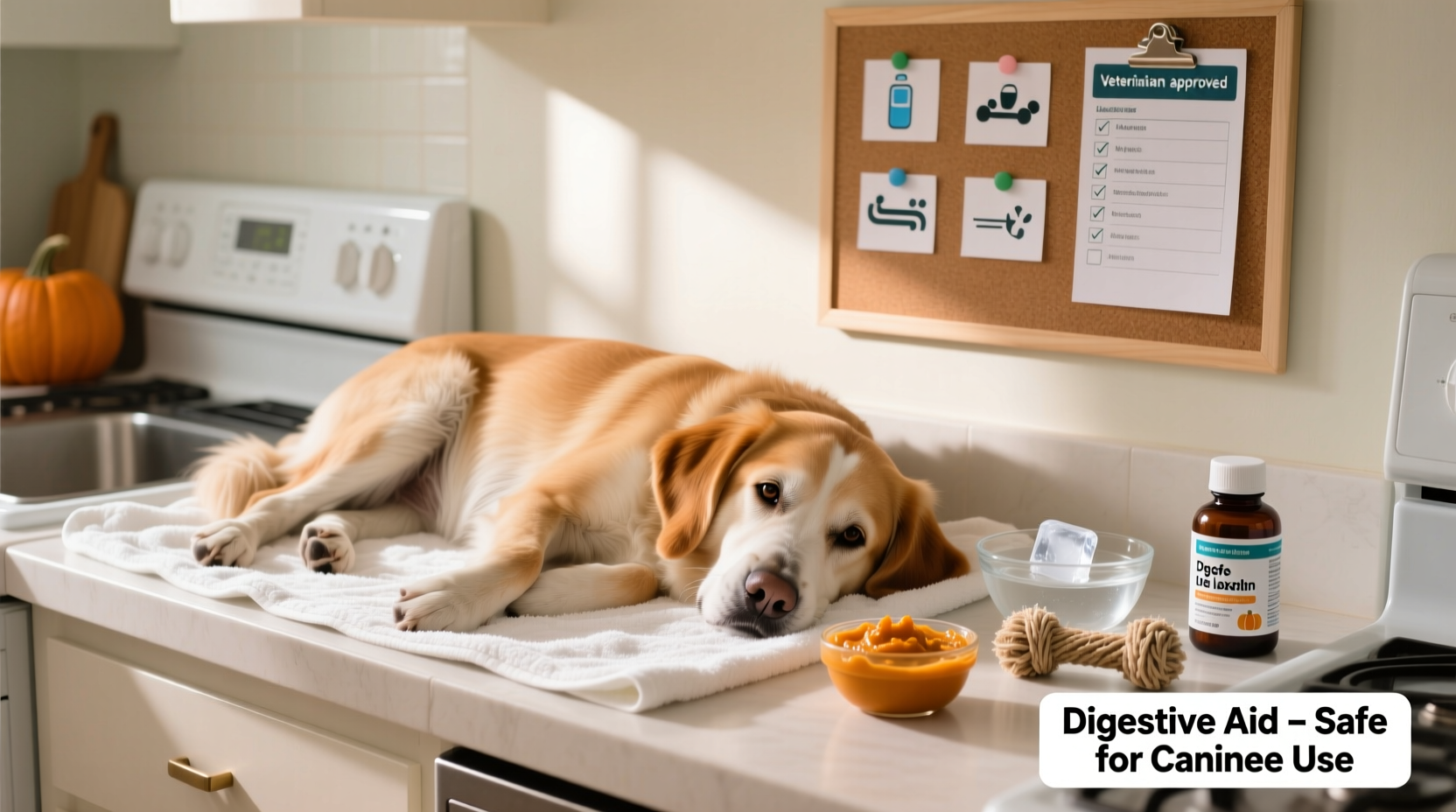
Dogs become constipated for a variety of reasons. Common causes include dehydration, low-fiber diets, lack of exercise, ingestion of indigestible materials (like bones or toys), medication side effects, or underlying medical conditions such as anal gland issues, orthopedic pain, or neurological disorders.
Recognizing the symptoms early can prevent progression. Key signs include:
- Straining during bowel movements
- Passing small, hard, or dry stools
- Infrequent defecation (going more than 48 hours without a bowel movement)
- Licking around the anus
- Whining or showing discomfort when trying to defecate
- Loss of appetite or lethargy
Occasional straining isn't always cause for alarm, especially if your dog remains active and eats normally. However, if symptoms persist beyond two days or worsen, professional evaluation becomes essential.
“Mild constipation can often be resolved with simple home care, but chronic or painful cases require diagnostics to rule out obstructions or systemic illness.” — Dr. Laura Simmons, DVM, Small Animal Internal Medicine Specialist
Safe and Effective Home Remedies
Before resorting to medications or invasive procedures, several natural and accessible treatments can help stimulate bowel activity and soften stool. These should only be used for otherwise healthy dogs showing mild symptoms.
1. Increase Water Intake
Dehydration is one of the leading contributors to hard, difficult-to-pass stools. Encourage hydration by offering fresh water frequently, adding broth (low-sodium, onion-free) to their bowl, or switching to wet food temporarily.
Tip: Place multiple water bowls around the house and consider a pet fountain—many dogs are more inclined to drink moving water.2. Add Dietary Fiber
Fiber helps bulk up stool and retain moisture, making it easier to pass. Natural fiber sources include:
- Pumpkin (pure canned, not pie filling): 1–4 tablespoons depending on size
- Psyllium husk (e.g., unflavored Metamucil): 1/2 tsp per 10 lbs body weight once daily
- Cooked sweet potato (plain, no butter or seasoning): small portions
- Green beans (steamed or raw, chopped)
3. Increase Physical Activity
Exercise stimulates intestinal motility. A brisk 20–30 minute walk twice daily can significantly improve gut function. For older or arthritic dogs, shorter, more frequent walks or gentle indoor play may suffice.
4. Use Safe Lubricants
In some cases, a veterinarian may recommend oral lubricants to ease stool passage. Options include:
- Food-grade mineral oil (1 tsp per 10 lbs, mixed with food, max 3 days)
- Miralax (polyethylene glycol 3350): 1/4 to 1/2 tsp per 10 lbs once daily (only under vet guidance)
Note: Never administer enemas at home unless explicitly instructed by a vet—improper use can cause rectal injury or electrolyte imbalance.
Step-by-Step At-Home Treatment Timeline
If your dog shows early signs of constipation, follow this structured 72-hour plan before escalating to emergency care:
- Day 1: Assess symptoms. Begin with increased water, add 1–2 tbsp pumpkin to meals, and take your dog on two moderate walks.
- Day 2: If no stool passed, introduce psyllium or Miralax (if previously approved by your vet). Monitor appetite and behavior closely.
- Day 3: Re-evaluate. If still no bowel movement, or if your dog appears uncomfortable, stops eating, or vomits—contact your veterinarian immediately.
This timeline allows time for gentle interventions while setting clear boundaries for seeking professional help.
What Not to Do: Common Mistakes
While well-intentioned, some home treatments can do more harm than good. Avoid the following:
| Do’s | Don’ts |
|---|---|
| Use plain canned pumpkin (not pie mix) | Give milk as a laxative (most dogs are lactose intolerant) |
| Offer extra walks or playtime | Force your dog to exercise if in pain |
| Add fiber gradually to avoid gas | Administer human laxatives without vet approval |
| Monitor appetite and energy levels | Delay vet care if symptoms persist beyond 3 days |
Real-Life Example: Managing Constipation in an Older Dog
Baxter, a 9-year-old Basset Hound, began straining during walks and produced only small, pebble-like stools over three days. His owner, concerned but not alarmed, first increased his water intake and added 2 tablespoons of canned pumpkin to each meal. She also started twice-daily 20-minute walks, which Baxter enjoyed despite mild arthritis.
By day two, Baxter passed a larger, softer stool. By day three, his bowel movements normalized. His owner continued the pumpkin supplement for one week and scheduled a vet check-up to discuss long-term joint and digestive support. The vet recommended a senior-friendly diet with added fiber and glucosamine, preventing recurrence.
This case highlights how early recognition and consistent, gentle care can resolve constipation without medication or stress.
When to See a Veterinarian Immediately
While home care works for mild cases, certain red flags demand urgent attention:
- No bowel movement in over 72 hours
- Vomiting, especially if accompanied by abdominal bloating
- Visible pain, whining, or reluctance to move
- Passing mucus or blood in stool
- Loss of appetite or lethargy
- Diagnosis of conditions like megacolon, tumors, or pelvic fractures
In these situations, constipation may indicate an obstruction, toxicity, or systemic disease requiring imaging, fluids, or even surgery.
Frequently Asked Questions
Can I give my dog olive oil for constipation?
Small amounts of olive oil (½ tsp for small dogs, 1 tsp for large dogs) can act as a mild lubricant when mixed into food. However, excessive fat can trigger pancreatitis in susceptible breeds, so use sparingly and avoid if your dog has a history of pancreatic issues.
Is it normal for puppies to get constipated?
Puppies rarely suffer from true constipation. Infrequent stools may result from dietary changes, deworming, or insufficient food intake. If a puppy hasn’t defecated in over 48 hours or seems distressed, consult a vet promptly—dehydration and parasites are common culprits.
How can I prevent future episodes?
Prevention starts with routine: consistent high-quality diet, daily exercise, regular access to clean water, and prompt deworming. For senior dogs, consider a fiber-enhanced prescription diet or probiotic supplements after discussing with your vet.
Final Thoughts and Action Steps
Constipation in dogs is often manageable at home with careful observation and timely intervention. The key lies in balancing proactive care with awareness of when professional help is needed. Most dogs respond well to increased hydration, fiber, and activity—simple changes that support overall digestive health.
Start today by evaluating your dog’s current diet and exercise routine. Keep a log of bowel movements, especially if your pet is prone to digestive issues. And never underestimate the value of a preventive vet visit—especially for senior dogs or those with chronic conditions.
💬 Have you helped your dog through constipation at home? Share your experience or questions in the comments—your insight could help another pet owner in need.








