Spraying by a skunk is an unfortunate but common experience for dogs who explore the outdoors. The pungent, sulfur-like odor can linger for days — not just on your dog’s fur, but throughout your home. While commercial de-skunking products exist, many pet owners prefer accessible, cost-effective, and safe solutions they can prepare at home. The key to eliminating skunk smell isn’t masking it with perfume, but chemically neutralizing the thiols — sulfur-based compounds in skunk spray that bind strongly to proteins in fur and skin.
Using the right approach ensures your dog stays comfortable, safe, and odor-free without resorting to harsh chemicals or repeated bathing that could dry their skin. Below are science-backed, veterinarian-recommended strategies to effectively remove skunk odor from your dog using household ingredients.
Why Skunk Odor Is So Persistent
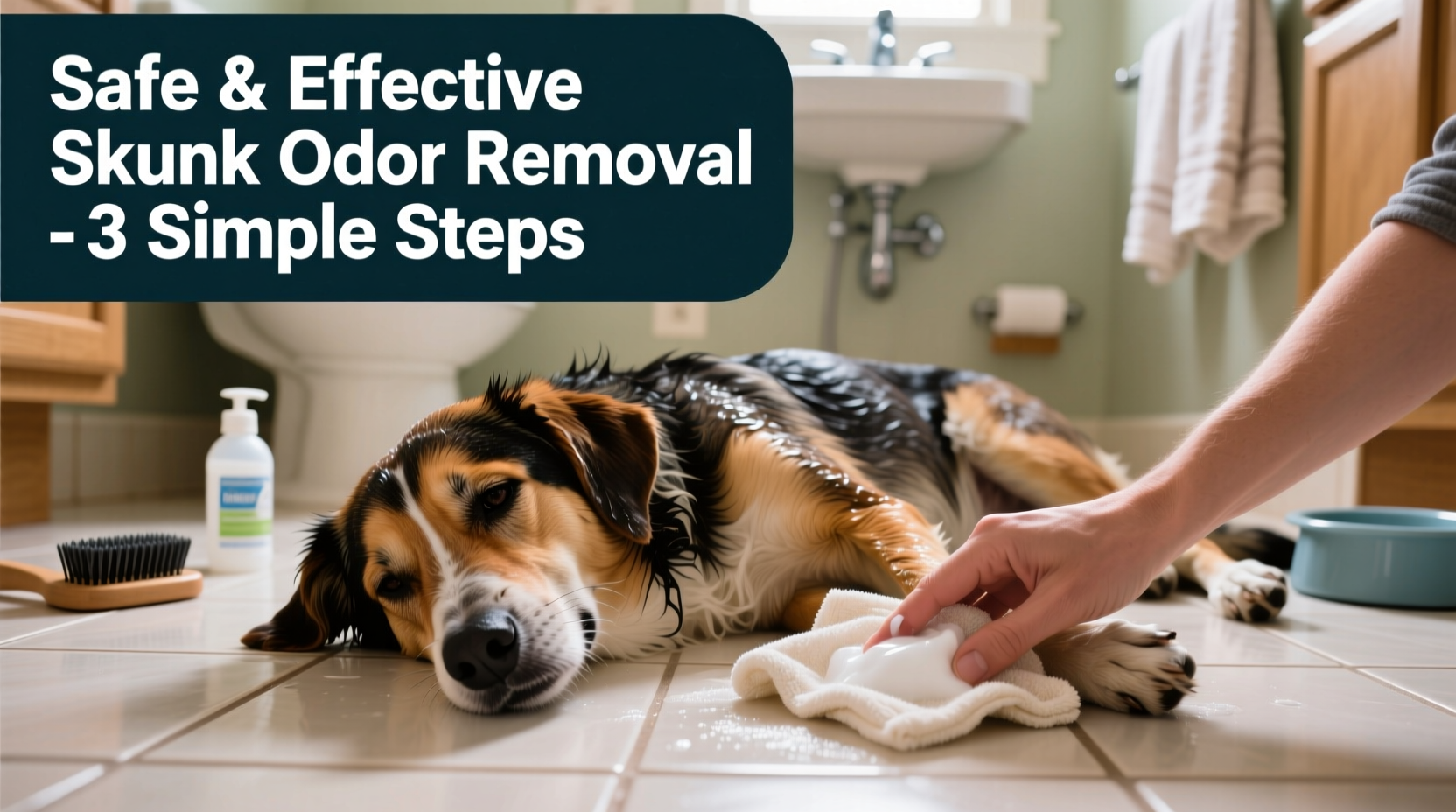
Skunk spray contains volatile thiols, organic compounds rich in sulfur. These molecules are highly reactive and quickly bond to keratin in your dog’s coat and skin. Unlike surface-level smells, thiols penetrate deeply, making them resistant to regular shampooing. Water alone won’t dissolve them, and standard pet shampoos only spread the odor further.
The solution lies in oxidation: breaking down the thiol molecules into odorless acids. This is why hydrogen peroxide-based formulas are so effective — they oxidize the sulfur compounds without damaging your dog’s skin when used correctly.
Tip: Act quickly. The sooner you treat the spray, the easier it is to neutralize the odor before it fully binds to your dog’s coat.Step-by-Step Guide to Neutralize Skunk Smell Safely
This method, widely endorsed by veterinarians and animal shelters, uses common household items to create a powerful yet safe deodorizing solution. It works best when applied within a few hours of exposure.
- Prepare outside: Bring your dog outdoors if possible to avoid spreading the odor indoors. Wear gloves and old clothes.
- Mix the solution: In an open container (not sealed), combine:
- 1 quart (32 oz) of 3% hydrogen peroxide (freshly purchased)
- ¼ cup baking soda (sodium bicarbonate)
- 1 teaspoon mild dish soap (like Dawn)
- Apply immediately: Work the mixture into your dog’s coat, focusing on sprayed areas. Avoid eyes, ears, and mouth. Gently massage to reach the skin.
- Let it sit: Allow the foam to work for 5 minutes. Do not exceed this time, as prolonged exposure may cause dryness or irritation.
- Rinse thoroughly: Use lukewarm water to rinse completely.
- Repeat if necessary: For strong sprays, repeat once after 24 hours. Follow with a gentle pet conditioner to restore moisture.
This formula creates a temporary oxidizing agent that breaks down thiols into water-soluble, odorless compounds. Because hydrogen peroxide degrades quickly, do not store the mixture — make it fresh each time.
“Hydrogen peroxide, baking soda, and dish soap is still the gold standard for neutralizing skunk odor safely. It’s inexpensive, effective, and far safer than bleach or ammonia-based cleaners.” — Dr. Laura Hemming, DVM, Veterinary Dermatology Specialist
What Not to Do When Your Dog Gets Sprayed
Well-meaning owners often reach for quick fixes that can do more harm than good. Avoid these common mistakes:
| Do Not | Why It’s Harmful |
|---|---|
| Use bleach or ammonia | These are toxic to pets, can burn skin, and when mixed with hydrogen peroxide, produce dangerous chlorine gas. |
| Apply undiluted vinegar | Vinegar may slightly reduce odor but cannot neutralize thiols. It can also sting open areas and irritate skin. |
| Delay treatment | The longer the spray sits, the deeper the thiols bind, making removal harder. |
| Use tomato juice as a soak | A myth. Tomato juice masks odor temporarily but doesn’t neutralize it and can stain light-colored fur. |
| Over-bathe your dog | Excessive washing strips natural oils, leading to dry, itchy skin and potential dermatitis. |
Alternative Solutions for Sensitive Dogs or Limited Supplies
If you don’t have hydrogen peroxide on hand or your dog has sensitive skin, consider these safer alternatives:
- Oatmeal-based shampoo bath: Soothes skin while lifting surface oils. Mix colloidal oatmeal with warm water and bathe gently.
- Commercial enzymatic pet deodorizers: Products like Nature’s Miracle Skunk Odor Remover use enzymes to break down odor-causing compounds safely.
- Activated charcoal paste: Mix food-grade activated charcoal with water to form a paste. Apply to affected areas, let dry, then brush out. Charcoal absorbs odors physically.
- Citrus rinse: Boil lemon or orange peels in water for 15 minutes, cool, and use as a final rinse. Citric acid has mild deodorizing properties and leaves a fresh scent.
While less potent than the peroxide mix, these options are gentler and suitable for puppies or dogs with allergies.
Tip: After any treatment, keep your dog indoors until fully dry to prevent recontamination from grass or soil.Mini Case Study: Max, the Curious Beagle
Max, a 2-year-old beagle from rural Wisconsin, was sprayed near his face during an evening walk. His owner, Sarah, noticed the smell immediately but hesitated to bathe him at night. By morning, the odor had seeped into the couch and carpet.
She followed the hydrogen peroxide method at dawn. After mixing a fresh batch, she carefully applied it to Max’s face (avoiding eyes), neck, and chest. She rinsed thoroughly and repeated the process 24 hours later due to residual odor behind the ears.
Within two days, the smell was gone. She also washed his collar and bedding separately using hot water and baking soda. Air purifiers helped clear lingering indoor traces. Max showed no signs of irritation, and Sarah now keeps a “skunk kit” in her garage: gloves, measuring cup, baking soda, and hydrogen peroxide.
Checklist: What to Do Immediately After a Skunk Encounter
- ✅ Keep your dog outside to limit indoor contamination
- ✅ Put on gloves and protective clothing
- ✅ Prepare the hydrogen peroxide solution (or alternative)
- ✅ Carefully apply to affected areas, avoiding eyes and mucous membranes
- ✅ Rinse thoroughly with lukewarm water
- ✅ Wash all exposed fabrics (collar, leash, bedding)
- ✅ Monitor your dog for signs of eye irritation or respiratory distress
- ✅ Consult a vet if your dog was sprayed in the face or shows discomfort
Frequently Asked Questions
Can I use this remedy on a puppy?
Yes, but with caution. Puppies have more sensitive skin. Reduce the hydrogen peroxide concentration by using ½ quart instead of a full quart, and limit contact time to 3 minutes. Test on a small area first.
What if my dog got sprayed in the eyes?
Skunk spray in the eyes causes temporary irritation, redness, and tearing. Flush gently with saline solution or clean water. If symptoms persist beyond a few hours, contact your veterinarian immediately. Never use chemical solutions near the eyes.
Will the smell come back after drying?
If properly neutralized, the odor should not return. However, if traces remain in bedding, collars, or porous surfaces, they can re-contaminate your dog. Wash all items that came into contact with the spray.
Final Thoughts and Prevention Tips
Dealing with skunk odor is stressful, but with the right knowledge, it’s entirely manageable at home. The hydrogen peroxide, baking soda, and dish soap formula remains the most effective and safest method available. Quick action, proper application, and thorough rinsing are critical to success.
To reduce future risks, supervise your dog during dawn and dusk — peak skunk activity times. Trim backyard brush and seal off crawl spaces where skunks may den. Consider motion-activated lights or ultrasonic repellents in high-risk areas.
💬 Have a skunk encounter story or a trusted home remedy? Share your experience in the comments to help fellow pet owners stay prepared and odor-free!








