Dog toys are essential for mental stimulation, physical activity, and bonding between pets and owners. But over time, they accumulate saliva, dirt, bacteria, and even mold—especially if used outdoors or frequently chewed. Regular cleaning is vital to prevent infections, bad odors, and digestive issues if ingested. While many commercial cleaners contain harsh chemicals, baking soda offers a natural, non-toxic alternative that’s both effective and gentle. This guide explores how to safely use baking soda to deep-clean various types of dog toys while protecting your pup’s health.
Why Baking Soda Works for Cleaning Dog Toys
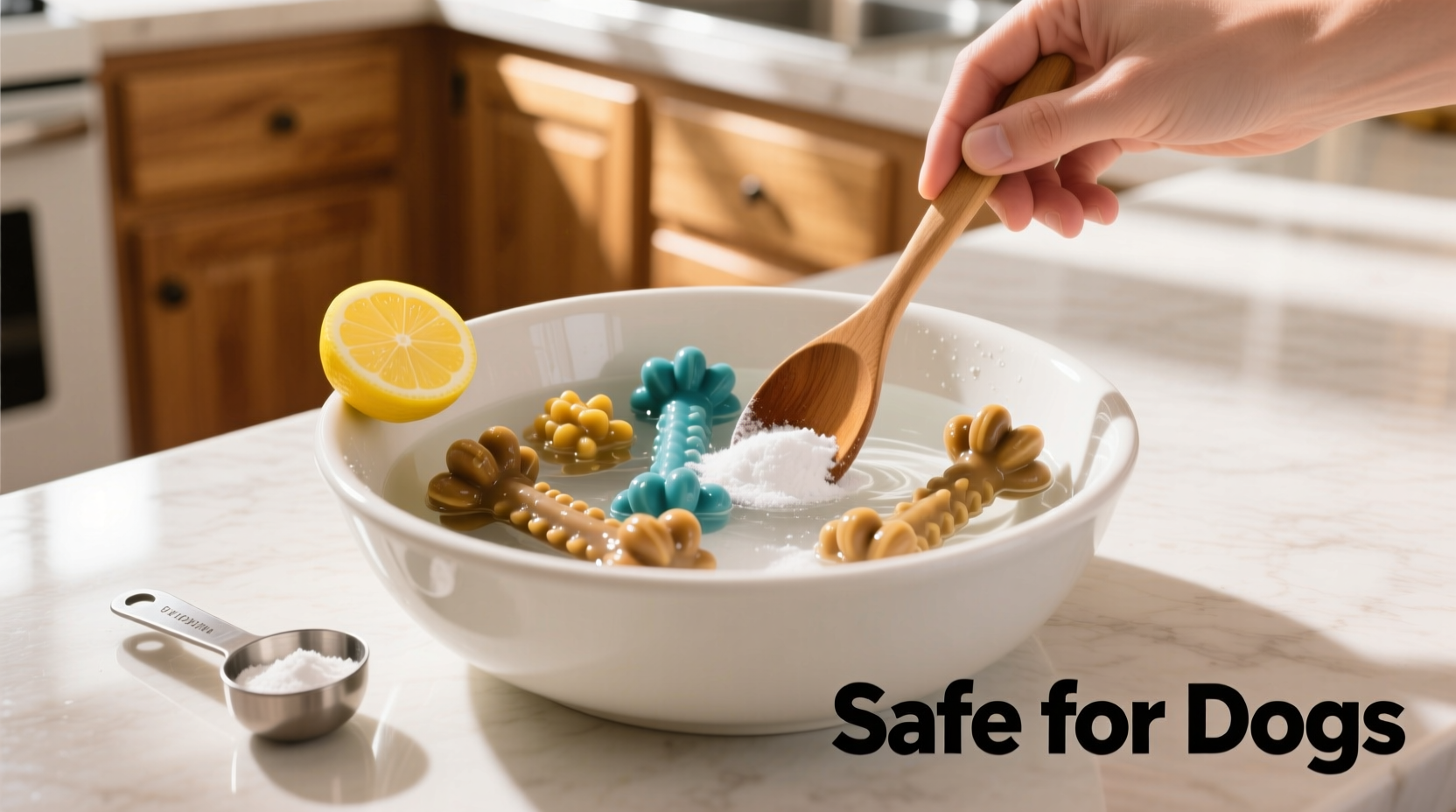
Baking soda, or sodium bicarbonate, is a mild alkaline compound known for its deodorizing, cleaning, and gentle abrasive properties. Unlike bleach or ammonia-based cleaners, it doesn’t leave behind toxic residues, making it ideal for items that go into your dog’s mouth. When combined with water, it forms a paste that lifts grime and neutralizes odors without damaging most materials. Its antimicrobial action helps reduce bacterial load on surfaces, though it’s not a sterilizer—so pairing it with proper rinsing and drying is key.
“Baking soda is one of the safest household ingredients for pet-related cleaning. It breaks down organic buildup and eliminates smells without irritating your dog’s sensitive tissues.” — Dr. Lena Torres, DVM, Veterinary Preventive Care Specialist
Step-by-Step Guide: How to Clean Different Types of Dog Toys with Baking Soda
Not all dog toys react the same way to cleaning. Rubber, plush, rope, and plastic each require tailored approaches. Below is a detailed, material-specific process using baking soda as the primary cleaner.
1. Rubber and Chew Toys (e.g., Kongs, Nylabones)
- Remove visible debris by rinsing under warm water.
- Mix 3 tablespoons of baking soda with 1/4 cup of warm water to form a thick paste.
- Use a soft-bristle toothbrush to apply the paste into grooves, holes, and textured surfaces.
- Let sit for 5–10 minutes to break down biofilm and odor-causing bacteria.
- Scrub gently, then rinse thoroughly under running water.
- Air-dry completely in a well-ventilated area, preferably in sunlight (UV helps disinfect).
2. Plush Toys
- Sprinkle baking soda generously over the entire surface, focusing on stained or smelly areas.
- Let it sit for at least 30 minutes—up to overnight for heavily soiled toys.
- Vacuum thoroughly using an upholstery attachment to remove all powder.
- If machine-washable, add 1/2 cup baking soda to the drum (not the detergent drawer) and run a gentle cycle with cold water.
- Air-dry completely—never use a dryer unless specified by the manufacturer, as heat can melt seams or fibers.
3. Rope and Knot Toys
Rope toys trap food particles and moisture, creating a breeding ground for bacteria. Because they’re porous, soaking is more effective than spot-cleaning.
- Fill a basin with warm water and dissolve 1/2 cup of baking soda.
- Submerge the toy completely for 20–30 minutes.
- Gently agitate and squeeze the fibers to release trapped debris.
- Rinse under clean water until no suds remain.
- Hang vertically to dry fully—this prevents mildew from forming in the core.
Do’s and Don’ts: Safe Use of Baking Soda on Pet Toys
| Do’s | Don’ts |
|---|---|
| Always rinse toys thoroughly after using baking soda | Never mix baking soda with vinegar when cleaning toys—this creates gas and reduces cleaning power |
| Test on a small area first for colored or delicate fabrics | Don’t soak electronic or battery-operated toys |
| Use baking soda weekly for odor control on high-use toys | Avoid using on leather or rawhide chews—they can absorb moisture and degrade |
| Combine with a second wash using mild pet-safe soap for deep cleans | Don’t let toys remain damp; dry within 4 hours to prevent mold |
Real Example: Solving Persistent Toy Odor in a Multi-Dog Household
The Ramirez family owns two energetic Labrador Retrievers who share a large bin of rubber and plush toys. Despite weekly washing, the toys often developed a sour, musty smell—especially the ones kept in the backyard shed. After consulting their vet, they learned that residual moisture and organic matter were fueling bacterial growth.
They implemented a new routine: every Sunday, they removed all toys, scrubbed rubber ones with a baking soda paste, and soaked rope toys in a baking soda solution. Plush toys were vacuumed after an overnight baking soda treatment, then washed with a pet-safe detergent. Within three weeks, the persistent odor vanished, and their dogs showed fewer signs of licking excessively at their muzzles—a possible response to lingering irritants.
This case illustrates how consistent, targeted cleaning with safe ingredients like baking soda can resolve hygiene issues without resorting to strong chemicals.
Checklist: Monthly Deep-Cleaning Routine for Dog Toys
- ☐ Sort toys by type: rubber, plush, rope, plastic
- ☐ Discard any broken, frayed, or damaged toys
- ☐ Pre-rinse dirty toys to remove loose debris
- ☐ Apply baking soda method appropriate to each material
- ☐ Rinse thoroughly until water runs clear
- ☐ Air-dry completely in direct sunlight if possible
- ☐ Inspect toys post-cleaning for wear and safety
- ☐ Rotate toys—store some away to reduce overuse and contamination
Frequently Asked Questions
Can I use baking soda on all dog toys?
No. While baking soda is safe for rubber, fabric, and nylon toys, avoid using it on rawhide, edible chews, or toys with glued parts, as moisture can cause them to break apart or spoil faster. Always check manufacturer guidelines before cleaning.
How often should I clean my dog’s toys?
High-use toys should be cleaned weekly. Less frequently used toys can be cleaned monthly. If toys get muddy, wet, or come into contact with feces or unknown substances, wash them immediately.
Is baking soda enough to kill germs on dog toys?
Baking soda reduces bacteria and neutralizes odors but does not fully sterilize. For higher sanitation, follow up with a rinse using diluted white vinegar (1 part vinegar to 4 parts water), then rinse again. Alternatively, boil hard rubber toys for 5 minutes—but never boil plush or rope toys.
Conclusion: A Simple Step Toward a Healthier, Happier Dog
Clean toys are more than just fresh-smelling—they’re a frontline defense against illness and discomfort in your pet. Baking soda provides a powerful yet gentle solution that aligns with a holistic approach to pet care. By integrating these simple, science-backed methods into your routine, you protect your dog from unseen hazards lurking in their favorite chew rings and squeaky animals. The effort takes only minutes, but the benefits ripple through your pet’s long-term health and happiness.
💬 Start today: pick up one dirty toy, grab your baking soda, and give it a thorough clean. Your pup may not say thank you in words—but their bright eyes and healthy breath will speak volumes.








