
Potty training a puppy or retraining an adult dog can be one of the most challenging aspects of pet ownership. Despite best efforts, accidents happen—often repeatedly in the same spots. This is where a targeted solution like a “go here” spray comes into play. These sprays are designed to guide dogs to the right place to eliminate by using scent cues, positive reinforcement, and behavioral conditioning. When chosen wisely, they can significantly shorten training time and reduce frustration for both pets and owners.
However, not all sprays are created equal. Some contain harsh chemicals that may harm your pet or damage surfaces, while others lack the potency to truly influence behavior. The key lies in selecting a product that’s both effective and safe. This article explores how go here sprays work, what ingredients to look for, and how to use them properly to support successful potty training.
How Go Here Sprays Work: The Science Behind Scent Training
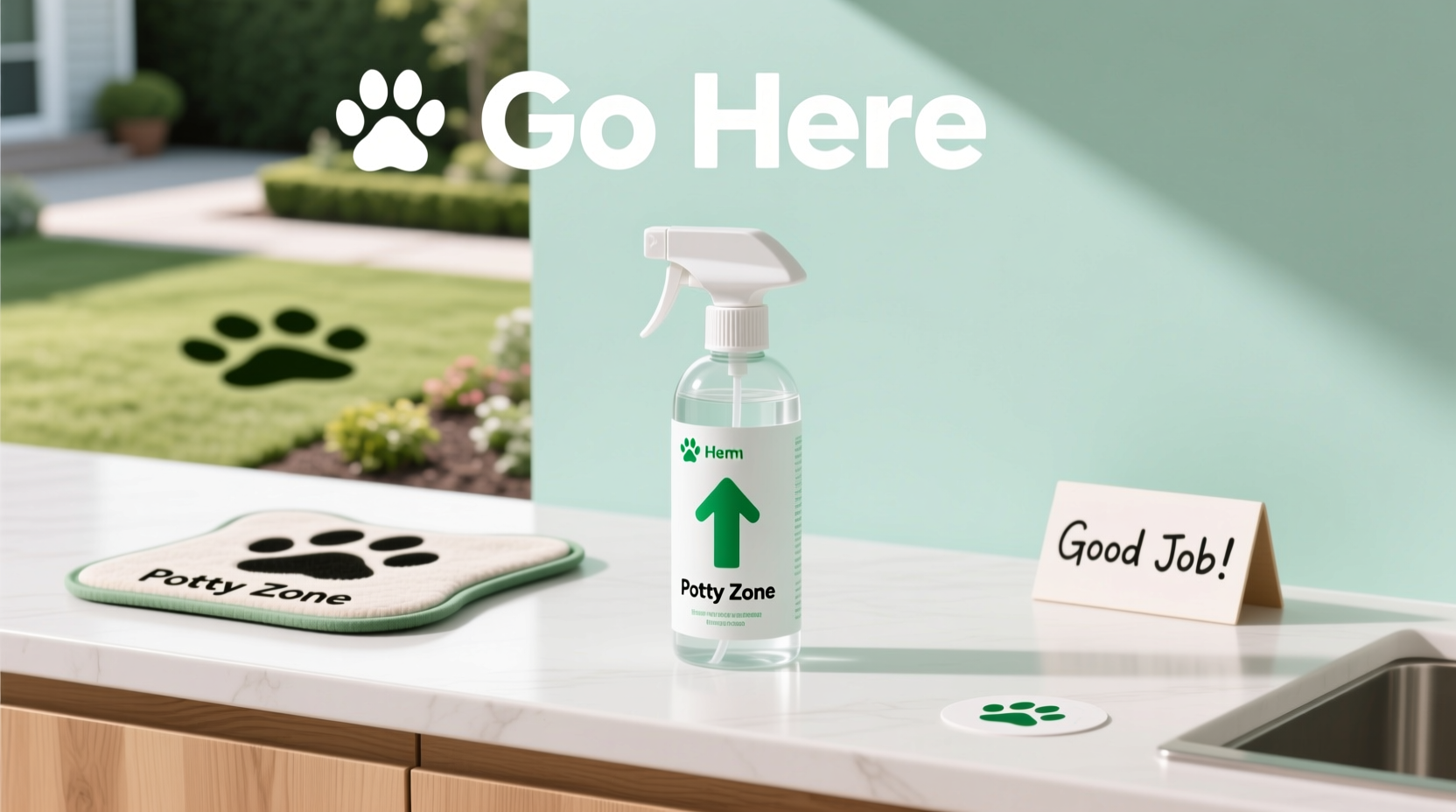
Dogs rely heavily on their sense of smell—up to 100,000 times more sensitive than humans. This makes olfactory cues one of the most powerful tools in shaping canine behavior. Go here sprays leverage this natural instinct by releasing a specific scent that signals to the dog that a particular area is designated for elimination.
Most effective sprays contain either pheromones or natural enzymatic attractants that mimic the odor of urine or feces. Rather than masking smells, these sprays introduce a controlled, consistent signal that encourages dogs to respond appropriately. Over time, repeated exposure conditions the dog to associate the scent with permission to go, reinforcing good habits.
Unlike repellent sprays (which deter dogs from going somewhere), go here sprays are used proactively in areas you want your dog to use—such as indoor pads, outdoor grass patches, or litter trays. They are especially useful for:
- Puppies still learning bathroom routines
- Dogs transitioning from outdoor to indoor potty systems
- Senior dogs with reduced mobility who need accessible relief zones
- Multi-dog households managing different schedules
“Scent-based training aligns with a dog’s natural instincts. A well-formulated go here spray doesn’t just attract—it teaches.” — Dr. Lena Reyes, Veterinary Behaviorist
Key Ingredients: What Makes a Spray Safe and Effective?
When evaluating a go here spray, ingredient transparency is critical. The safest products avoid alcohol, ammonia, synthetic fragrances, and toxic solvents. Instead, look for formulations based on the following components:
| Ingredient Type | Function | Safety Notes |
|---|---|---|
| Natural Enzymes | Break down organic matter and emit familiar scents | Harmless when ingested; biodegradable |
| Canine Pheromones | Signal safety and encourage marking behavior | Species-specific; non-toxic |
| Plant-Based Extracts (e.g., citronella, lavender) | Mask unwanted odors without irritation | Use in low concentration to avoid sensitivity |
| Water & Food-Grade Solvents | Carry active ingredients safely | Non-corrosive and safe around pets |
Avoid sprays listing “fragrance” without specification—this often hides volatile organic compounds (VOCs) that can irritate respiratory systems, especially in small or young dogs. Also steer clear of ammonia-based products, which mimic the smell of urine and may inadvertently encourage further soiling.
Tip: Test any new spray on a small, inconspicuous area first to ensure it doesn't stain fabrics or flooring.Step-by-Step Guide to Using Go Here Spray Effectively
Simply spraying a spot isn’t enough. For lasting success, integrate the spray into a structured routine. Follow this proven five-step process:
- Choose the Right Location: Pick a consistent indoor pad, outdoor patch, or pee post. It should be quiet, accessible, and away from food or sleeping areas.
- Clean Accidental Spots Thoroughly: Use an enzymatic cleaner to remove lingering odors elsewhere. Residual smells compete with your go here spray and confuse your dog.
- Apply the Spray Strategically: Lightly mist the target zone once or twice daily, especially before expected potty breaks (after meals, naps, or play).
- Guide Your Dog Immediately After Spraying: Bring your dog to the sprayed area on a leash. Wait patiently. When they eliminate, offer calm praise or a treat.
- Reapply Consistently for 7–14 Days: Continue daily application until your dog reliably goes to the spot without prompting. Then phase out gradually.
Consistency is crucial. Dogs thrive on repetition, and pairing the scent cue with immediate reinforcement strengthens the association. Never punish accidents during this phase—instead, redirect and reapply the spray to reinforce the correct location.
Top-Rated Products Compared
Based on veterinary recommendations, customer reviews, and ingredient safety, here are three widely trusted go here sprays:
| Product | Active Ingredients | Best For | User Rating |
|---|---|---|---|
| Simple Solution Indoor Puppy Training Spray | Enzymes, plant extracts | Puppies under 6 months | 4.6/5 |
| PetSafe SSScat Pet Training Spray | Natural attractants, water-based | Indoor pads and artificial turf | 4.4/5 |
| Buddy Bladder Training Spray | Canine pheromones, herbal essences | Adult dogs & seniors | 4.7/5 |
All three are free from alcohol and ammonia, making them safe for use around carpets, tile, and synthetic grass. Simple Solution is particularly effective for young puppies due to its strong enzymatic base, while Buddy Bladder includes calming pheromones beneficial for anxious dogs.
Real Example: How One Family Reduced Accidents by 90%
The Thompson family adopted a 14-week-old rescue pup named Milo. Despite frequent walks, he consistently had indoor accidents—especially overnight. Their trainer recommended introducing a go here spray on a washable indoor pad placed near the back door.
They began applying Simple Solution each morning and after every nap. Within three days, Milo started sniffing around the pad before eliminating. By day ten, he was reliably using the pad 8 out of 10 times. After two weeks, they discontinued the spray but kept the pad in place as a backup. Today, at six months old, Milo alerts at the door and has only had two indoor accidents since.
“The spray gave us a bridge between our inconsistent schedule and Milo’s need for clear signals,” said Sarah Thompson. “It wasn’t magic—but it made all the difference.”
Frequently Asked Questions
Can I use a go here spray on hardwood or carpet?
Yes, but always check the manufacturer’s guidelines. Most water-based sprays are safe on sealed floors and carpets if applied lightly. Avoid oversaturation, and blot excess moisture immediately.
Will my dog become dependent on the spray?
No. The spray is a training aid, not a permanent crutch. Once your dog learns the desired behavior, you can taper off usage. The goal is to build habit through repetition, not continuous reliance.
Are there natural alternatives to commercial sprays?
Some owners use diluted vinegar or used litter from previous successful spots to transfer scent. However, these are less reliable and may carry bacteria. Commercial sprays offer consistent concentration and safety testing.
Checklist: Using Go Here Spray Successfully
- ✅ Choose a non-toxic, enzyme- or pheromone-based spray
- ✅ Designate a specific potty area indoors or outdoors
- ✅ Clean past accident sites with enzymatic cleaner
- ✅ Apply spray once or twice daily to the target zone
- ✅ Take your dog to the sprayed area after meals, naps, and play
- ✅ Reward immediately after correct elimination
- ✅ Continue for 7–14 days or until behavior stabilizes
- ✅ Gradually reduce spray use as reliability improves
Conclusion: Turn Confusion Into Confidence
Potty training doesn’t have to be a battle of wills or a test of patience. With the right tools—like a safe and effective go here spray—you’re not just cleaning up messes, you’re teaching your dog a language they understand: scent. When combined with consistency, positive reinforcement, and proper cleanup of past accidents, these sprays accelerate learning and reduce stress for everyone involved.
Every dog learns at their own pace. What matters is providing clear, compassionate guidance. Start today by choosing a vet-recommended spray, setting up a dedicated potty zone, and sticking to a routine. Small steps lead to big changes—and soon, you’ll both enjoy a cleaner, calmer home.
💬 Have a potty training success story or tip? Share your experience below and help fellow dog owners find confidence in the process!








