Stray cats often seek shelter, food, and safety in residential areas. While many people feel compassion for these animals, an uninvited feline presence can lead to noise, odor, territorial spraying, or conflicts with pets. The key is not to resort to fear or force, but to use thoughtful, ethical methods that guide the cat toward independence while protecting your space. Humane relocation respects both animal welfare and neighborhood harmony.
Understanding Stray Cat Behavior
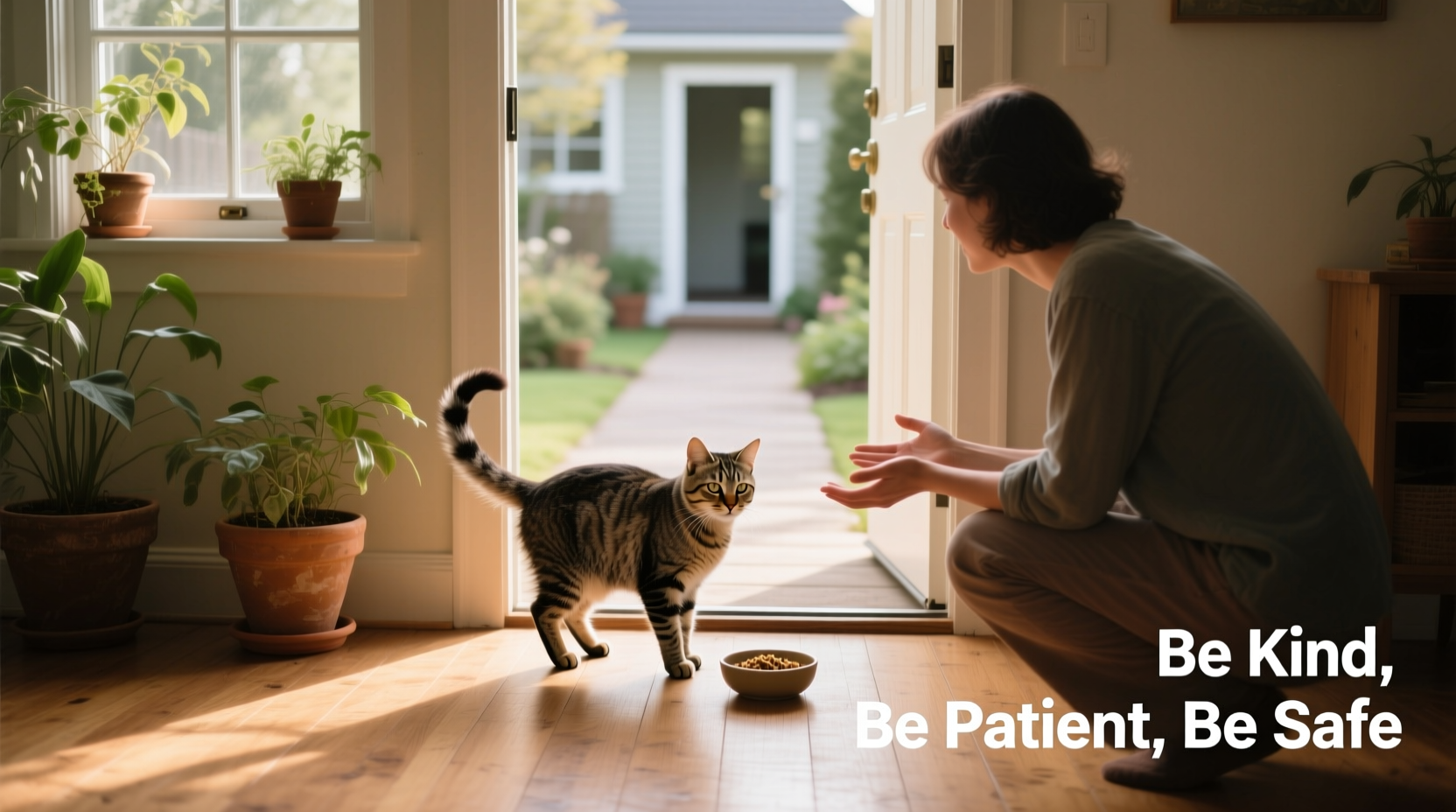
Before taking action, it’s essential to understand why a stray cat has chosen your property. Cats are drawn to reliable resources: food, water, warmth, and shelter. If your yard offers any of these consistently—whether from intentional feeding or accessible garbage—the cat will return. Unlike feral cats, strays were once socialized to humans and may appear friendly, increasing the temptation to feed or adopt them.
However, long-term cohabitation without planning can lead to dependency, overpopulation, or health risks. The goal isn’t to punish the cat, but to gently remove incentives so it moves on naturally. This process requires patience and consistency—cats are creatures of habit and may take days or even weeks to adjust.
Tip: Never shout at, spray water aggressively, or attempt to chase a stray cat—it increases fear and may trigger defensive behavior.Step-by-Step Guide to Safe Encouragement
Encouraging a stray cat to leave doesn’t mean immediate eviction. A phased approach prevents distress and ensures sustainability. Follow this timeline for best results:
- Day 1–3: Assess and Observe – Note where the cat sleeps, when it appears, and what attracts it. Look for signs of injury, illness, or pregnancy.
- Day 4–7: Remove All Resources – Secure trash bins, bring in pet food, and eliminate access to water sources like open fountains or drip trays.
- Day 8–14: Introduce Mild Deterrents – Use motion-activated sprinklers, citrus peels, or commercial repellents in frequented zones.
- Day 15+: Monitor and Adjust – If the cat returns, reinforce deterrents. Consider consulting a local rescue if relocation stalls.
This gradual method avoids sudden trauma and gives the cat time to find alternative territory—a natural instinct most healthy adults possess.
Humane Deterrents That Work
Not all deterrents are equal. Some cause undue stress or violate local animal protection laws. The following options are proven effective and ethically sound:
| Deterrent | How It Works | Effectiveness | Notes |
|---|---|---|---|
| Citrus Peels or Oils | Cats dislike strong citrus scents | Moderate (short-term) | Reapply every 2–3 days; non-toxic |
| Motion-Activated Sprinklers | Startles with sudden water burst | High | Does not harm; works day/night |
| Aluminum Foil or Double-Sided Tape | Unpleasant texture under paws | Low-Moderate | Best for porches or windowsills |
| Ultrasonic Repellers | Emits high-frequency sound | Variable | Some cats ignore after habituation |
| Secure Shelter Removal | Takes away hiding spots | High | Clear sheds, decks, and bushes |
“Cats respond best to environmental changes rather than direct confrontation. Removing resources and using passive deterrents aligns with their natural instincts.” — Dr. Lena Torres, Wildlife Behavioral Specialist
When Compassion Meets Responsibility: A Real Example
In suburban Portland, a family noticed a gray tabby sleeping under their deck each evening. At first, they left out food, thinking the cat was lost. Over time, it began yowling at night and marking nearby shrubs. Concerned about neighbors and their dog’s anxiety, they consulted a local TNR (Trap-Neuter-Return) group.
The organization advised a two-week plan: stop feeding immediately, install a motion-activated sprinkler near the deck, and block access with lattice fencing. Within ten days, the cat stopped returning. A month later, the same cat was spotted three blocks away—now part of a managed colony cared for by another resident. No harm was done, and the original homeowners regained peace.
This case illustrates how combining empathy with structure leads to better outcomes—for people and animals alike.
Checklist: What You Should Do (and Avoid)
- ✅ Stop feeding—even unintentional scraps
- ✅ Secure outdoor food sources and garbage
- ✅ Block access to crawl spaces, garages, and sheds
- ✅ Use scent or motion-based deterrents
- ✅ Contact local animal welfare groups if stuck
- ❌ Don’t trap and release without preparation—this can be illegal or harmful
- ❌ Avoid ammonia or mothballs—they’re toxic to pets and children
- ❌ Never use physical force or loud noises intentionally
Frequently Asked Questions
Is it legal to remove a stray cat from my property?
In most jurisdictions, you can humanely discourage a stray cat from staying on private property. However, trapping and relocating without permits may violate animal control laws. Always check local ordinances. The safest route is to alter the environment—not the animal’s freedom.
What if the cat seems sick or injured?
If the cat shows signs of limping, discharge, lethargy, or difficulty walking, contact a local animal rescue or humane society. Many offer low-cost or free medical assistance. Removing resources isn’t appropriate until the cat receives care—doing so could be considered neglect.
Won’t the cat starve if I stop feeding it?
Healthy adult cats are capable hunters and scavengers. While feeding creates dependency, removing food gradually allows time for the cat to adapt. In urban and suburban areas, natural food sources—including rodents and insects—are typically sufficient. The cat will move toward areas with more consistent support, which is exactly the desired outcome.
Conclusion: Kindness with Boundaries
Helping a stray cat leave your home safely isn’t about rejection—it’s about responsible stewardship. By understanding feline behavior, applying gentle deterrents, and removing attractants, you guide the cat toward a sustainable life elsewhere without causing harm. These strategies protect your peace, prevent overpopulation, and uphold ethical treatment of animals.
💬 Have experience with stray cats? Share your story or tips in the comments—your insight could help others find compassionate solutions.








