Unwanted feline visitors can be a persistent issue for homeowners. While cats are often beloved pets, stray or neighborhood cats using your yard as a litter box, scratching furniture, or disturbing gardens can become a real nuisance. The key is not to resort to harmful or aggressive tactics, but to apply thoughtful, humane solutions that discourage cats from returning—without compromising their well-being. This guide outlines science-backed, ethical strategies that create long-term deterrence through environmental management, scent control, and behavioral understanding.
Understanding Why Cats Visit Your Property
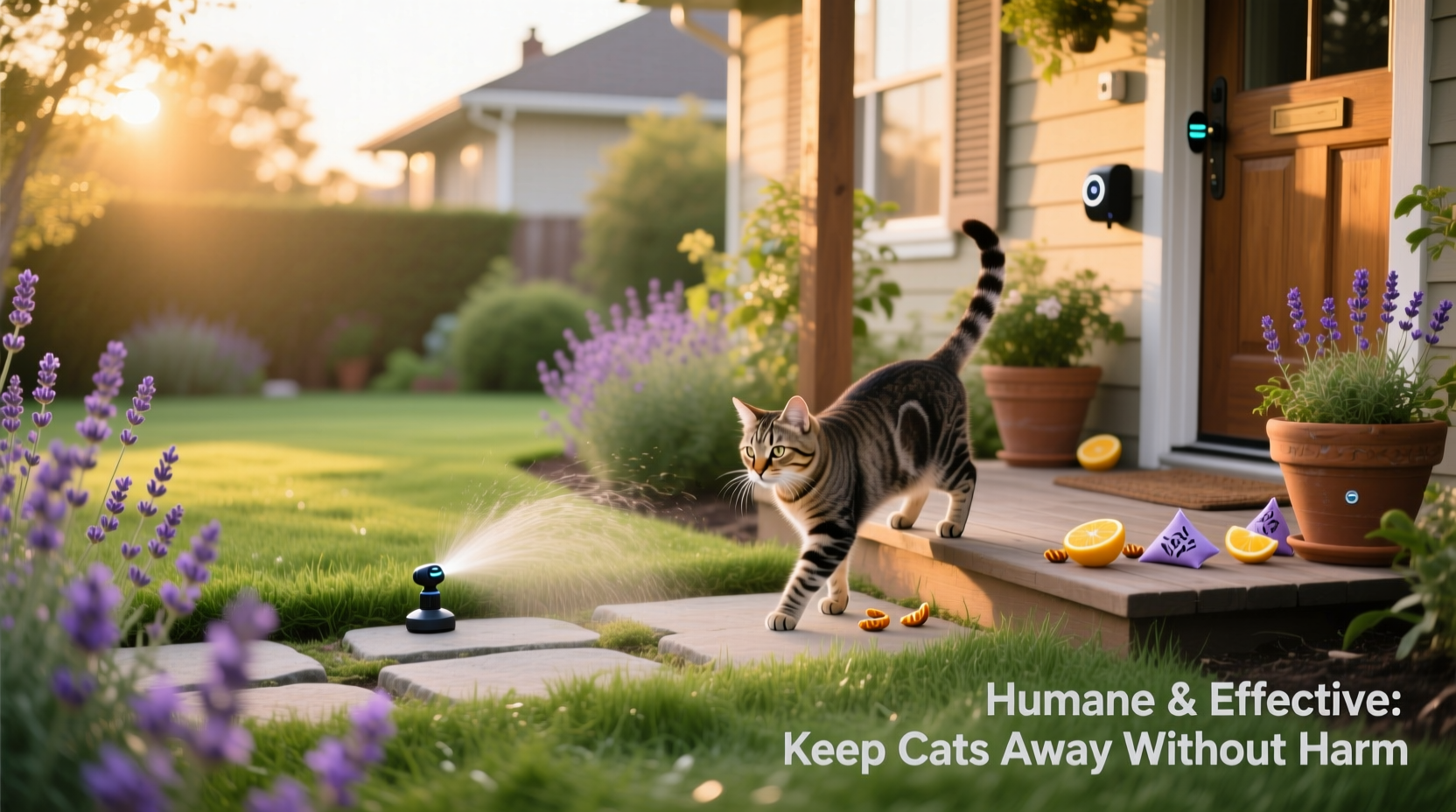
Cats are naturally curious and territorial animals. Whether they’re indoor-outdoor pets, semi-feral strays, or fully independent roamers, they seek safe spaces with access to food, shelter, and comfort. If your property offers any of the following, it may attract feline guests:
- Accessible food sources (uncovered compost, pet food left outside)
- Dense shrubbery or under-deck areas ideal for hiding or nesting
- Warm spots like car engines or sun-warmed patios
- Unprotected garden soil perfect for natural litter use
Addressing these attractions is the first step toward permanent deterrence. Simply shooing cats away may offer temporary relief, but unless the underlying incentives are removed, they will return.
Tip: Neutered cats are less likely to mark territory, but unneutered males may spray persistently. Advocate for local TNR (Trap-Neuter-Return) programs to reduce roaming cat populations humanely.Scent-Based Deterrents That Work
Cats rely heavily on their sense of smell to navigate and claim territory. Certain scents are naturally unpleasant to them and can effectively discourage lingering. These are non-toxic, easy to apply, and do not harm the animals.
Effective repellent scents include:
- Citrus peels – Place lemon, orange, or grapefruit rinds around garden beds or entry points.
- Mint and eucalyptus oils – Dilute a few drops in water and lightly spray problem areas (avoid direct contact with plants).
- Coffee grounds – Sprinkle used grounds in flowerbeds; they also enrich soil while repelling cats.
- Vinegar – A diluted vinegar solution can be sprayed along fences or patio edges.
“Cats avoid strong odors that interfere with their ability to detect threats or prey. Using scent strategically alters their perception of safety.” — Dr. Lena Torres, Feline Behavior Specialist
Reapply liquid sprays after rain or every 2–3 days for consistent results. Avoid overuse, as concentrated essential oils can be toxic to pets if ingested.
Environmental Modifications for Long-Term Results
The most sustainable way to keep cats away is to make your environment inhospitable to lounging, digging, or nesting. Unlike temporary sprays, physical modifications create lasting change.
Use Textured Surfaces
Cats dislike walking on uncomfortable textures. Consider placing one or more of the following in high-traffic zones:
- Plastic carpet runners (nubby side up)
- Crinkly aluminum foil
- Scatter pine cones or small river rocks in garden beds
Block Access to Sheltered Areas
Seal off spaces under decks, sheds, or porches with wire mesh or lattice. Ensure gaps are smaller than 4 inches to prevent squeezing through.
Install Motion-Activated Devices
These devices respond to movement with sound, light, or water and are highly effective at startling cats without injury.
| Type | How It Works | Effectiveness |
|---|---|---|
| Motion-activated sprinkler | Releases a short burst of water when triggered | ★★★★☆ |
| Ultrasonic repellent | Emits high-frequency sound only audible to animals | ★★★☆☆ |
| Solar-powered flashing lights | Flashes intermittently at night | ★★★☆☆ |
Note: Rotate deterrent types periodically. Cats can habituate to repeated stimuli, reducing effectiveness over time.
Step-by-Step Guide to Cat-Proofing Your Yard
Follow this timeline to implement a comprehensive, humane strategy over 2–4 weeks:
- Week 1: Audit Your Property – Walk around at dawn and dusk to identify entry points, digging spots, and potential shelters. Look for paw prints or droppings as evidence.
- Week 2: Remove Attractants – Store pet food indoors, cover compost bins, and clean up fallen fruit. Secure trash cans with locking lids.
- Week 3: Apply Scent Deterrents – Begin using citrus peels, coffee grounds, and diluted essential oil sprays in targeted areas.
- Week 4: Install Physical Barriers – Lay down carpet runners, seal crawl spaces, and set up motion-activated devices.
- Ongoing: Monitor and Adapt – Observe which methods work best and adjust as needed. Reapply scents weekly and maintain cleanliness.
Mini Case Study: A Garden Transformed
Sarah M., a homeowner in Portland, Oregon, struggled for months with cats using her raised vegetable beds as litter boxes. Her tomatoes were trampled, and soil was scattered daily. She initially tried shouting and spraying water, but the cats returned each evening.
After consulting a local wildlife advisor, she implemented a multi-pronged approach:
- She covered her garden beds with chicken wire until planting was complete.
- She placed citrus peels and used coffee grounds around the perimeter.
- She installed a motion-activated sprinkler near the back fence.
Within three weeks, cat activity ceased entirely. Sarah now maintains a cat-free garden with minimal effort, rotating scents seasonally and keeping the area tidy. “It wasn’t about chasing them away,” she said. “It was about making my yard uninviting while being kind to the animals.”
Common Mistakes to Avoid
Even well-intentioned efforts can fail due to common missteps. Avoid these pitfalls:
| Do’s | Don’ts |
|---|---|
| Use multiple deterrent types together | Rely solely on one method (e.g., just citrus) |
| Reapply scents regularly | Assume a single application lasts for weeks |
| Engage with neighbors about shared cat issues | Blame pet owners without evidence |
| Support local TNR programs | Use poisons, traps, or aggressive tactics |
Remember, many visiting cats are not homeless—they may belong to nearby residents who allow outdoor access. Open communication with neighbors can lead to cooperative solutions, such as encouraging responsible pet ownership or supporting spay/neuter initiatives.
Frequently Asked Questions
Will ultrasonic devices hurt cats?
No. Ultrasonic repellents emit high-pitched sounds that are annoying but not painful or damaging. They are designed to startle, not injure. However, they may also affect dogs or other pets, so place them selectively.
Are there plants that naturally repel cats?
Yes. Several non-toxic plants emit scents cats dislike. Consider planting lavender, rosemary, pennyroyal (use caution—can be toxic if ingested), or Coleus canina (also known as \"scaredy-cat plant\"). These double as garden enhancements and natural deterrents.
What if the cat seems lost or injured?
If a cat appears malnourished, injured, or overly friendly, it may be lost or abandoned. Check for a collar, scan for a microchip at a vet clinic, or contact local animal rescues. Humane treatment includes helping when possible, even while protecting your space.
Conclusion: Kindness Meets Effectiveness
Keeping cats away from your home doesn’t require conflict or cruelty. By understanding feline behavior and applying strategic, humane interventions, you can reclaim your outdoor space while respecting animal welfare. The most successful approaches combine scent deterrents, environmental adjustments, and consistent maintenance. Over time, cats will learn your property offers no rewards—and choose to move on.
💬 Have a cat-deterrence success story or tip? Share your experience in the comments below and help others find compassionate, lasting solutions.








