Dental health in dogs is often overlooked, yet it plays a crucial role in their overall well-being. Plaque buildup can lead to tartar, gum disease, bad breath, and even systemic issues like heart or kidney disease. While professional cleanings are essential, daily at-home care is equally important. The challenge lies in finding solutions that are both effective and gentle—especially for dogs who resist brushing or have sensitive mouths. Fortunately, a growing number of safe, vet-approved, and non-invasive options make it easier than ever to maintain your dog’s oral hygiene without causing discomfort.
Why Gentle Plaque Removal Matters
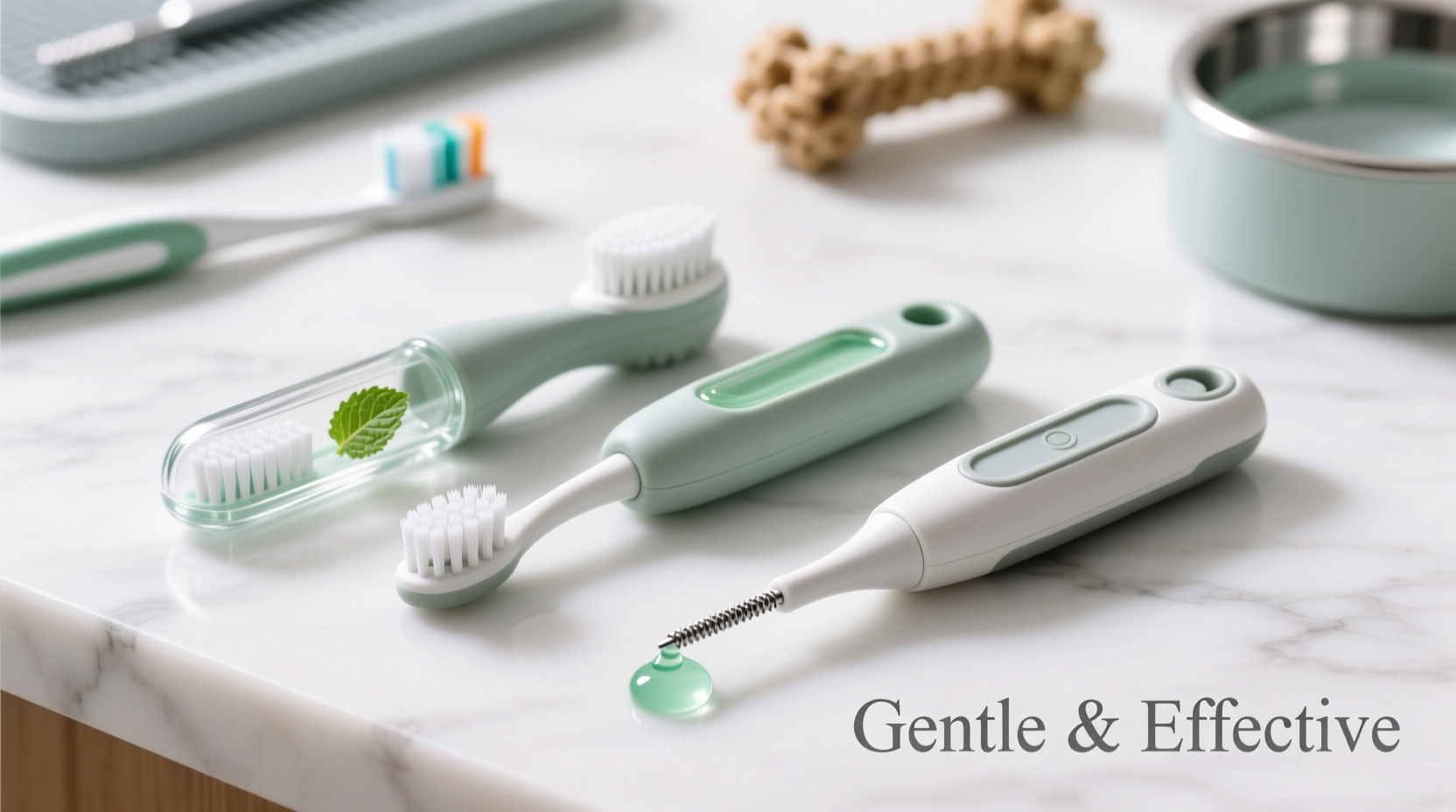
Aggressive dental products or forced brushing can create negative associations with oral care, making future attempts more difficult. Dogs with pre-existing gum sensitivity, small breeds prone to dental crowding, or senior dogs with receding gums require particularly careful handling. Harsh ingredients like alcohol, chlorhexidine in high concentrations, or abrasive mechanical tools can irritate soft tissues and disrupt the natural balance of oral bacteria.
A gentle approach doesn’t mean sacrificing effectiveness. In fact, consistent use of mild but scientifically backed methods often yields better long-term results than sporadic, forceful interventions. The goal is to integrate plaque removal into your dog’s routine seamlessly—something they tolerate, or even enjoy.
“Prevention is always better than treatment when it comes to canine dental disease. A gentle, consistent regimen can delay or even eliminate the need for anesthesia-based cleanings.” — Dr. Laura Simmons, DVM, Veterinary Dental Specialist
Top Gentle & Effective Plaque Removal Methods
The best dog plaque removers combine safety, ease of use, and proven efficacy. Below are five of the most reliable approaches, each suitable for different lifestyles and dog temperaments.
1. Enzymatic Toothpaste with Soft-Bristle Brushing
Brushing remains the gold standard for plaque control. However, success depends on using the right tools. Human toothpaste contains fluoride and foaming agents that are toxic to dogs. Instead, opt for enzymatic dog-specific toothpaste, which breaks down plaque biofilm using natural enzymes like glucose oxidase and lactoperoxidase.
Pair the paste with a soft-bristled toothbrush or finger brush. Start slowly—let your dog taste the paste first, then gently rub it on one or two teeth. Gradually increase duration and coverage over several weeks.
Tip: Choose flavored enzymatic pastes (like poultry or peanut butter) to make brushing more appealing. Never rush the process—consistency matters more than thoroughness in early stages.2. Dental Water Additives
For dogs who resist brushing, water additives offer a low-effort alternative. These liquid solutions are added to your dog’s drinking water and work by disrupting bacterial colonies that contribute to plaque formation. Most contain zinc or enzymes that inhibit microbial growth without altering taste significantly.
Look for products labeled as “alcohol-free” and “chlorhexidine-free” if your dog has sensitivities. While not as mechanically effective as brushing, regular use can reduce plaque accumulation by up to 60% according to clinical studies.
3. Chew-Based Dental Treats
Chewing stimulates saliva production and provides mild abrasion that helps dislodge soft plaque. High-quality dental chews are designed with specific textures—often ridged or porous—to maximize contact with tooth surfaces.
Choose treats approved by the Veterinary Oral Health Council (VOHC), which verifies claims through independent testing. Common active ingredients include sodium hexametaphosphate and chlorophyll, which help prevent mineralization of plaque into tartar.
4. Oral Gels and Sprays
Applied directly to the gums and teeth, these products often contain natural antimicrobials like neem, green tea extract, or probiotics. They’re ideal for dogs who won’t tolerate brushing but allow brief mouth contact. Some gels form a protective barrier that slows plaque regrowth between applications.
Sprays are especially convenient for quick daily use. Simply part the lips and mist along the gumline. No rinsing required.
5. Diet Modification
Certain kibble formulas are engineered to reduce plaque through controlled texture and chemical composition. VOHC-approved dental diets feature larger, fibrous kibbles that require more chewing, creating a “toothbrush effect.” They may also include plaque-inhibiting compounds like polyphosphates.
While diet alone isn’t sufficient for full plaque control, it serves as a strong foundation when combined with other methods.
Comparison of Plaque Removal Options
| Method | Effectiveness | Gentleness | Effort Required | Best For |
|---|---|---|---|---|
| Enzymatic Toothpaste + Brush | ★★★★★ | ★★★★☆ | High | Dogs trainable for daily care |
| Water Additives | ★★★☆☆ | ★★★★★ | Low | Resistant or anxious dogs |
| Dental Chews | ★★★☆☆ | ★★★★☆ | Medium | Dogs who love chewing |
| Oral Gels/Sprays | ★★★☆☆ | ★★★★★ | Low-Medium | Sensitive-mouth or elderly dogs |
| Dental Diets | ★★★☆☆ | ★★★★★ | Low | Long-term preventive strategy |
Step-by-Step: Introducing Plaque Removal to a Resistant Dog
Many dogs initially resist oral care. Success lies in gradual desensitization and positive reinforcement. Follow this timeline to build trust and compliance:
- Day 1–3: Let your dog sniff and lick a small amount of dog-safe toothpaste off your finger. Pair with praise or a treat.
- Day 4–7: Gently rub the paste on the front teeth using your finger or a soft cloth. Limit to 5–10 seconds.
- Week 2: Introduce a finger brush or small toothbrush. Focus on the outer surfaces of the canine and premolar teeth.
- Week 3–4: Increase duration to 30 seconds per side. Work around the entire mouth gradually.
- Ongoing: Maintain daily brushing. Supplement with water additive or chew treats if full brushing isn’t possible every day.
If brushing proves impossible, prioritize water additives and VOHC-approved chews as your primary defense.
Mini Case Study: Helping Max, a 7-Year-Old Shih Tzu
Max had persistent bad breath and visible yellowing on his molars. His owner, Sarah, tried brushing once but Max yelped and pulled away. A vet visit confirmed early-stage gingivitis and recommended a non-invasive plan.
Sarah started by adding a vet-recommended water additive to Max’s bowl. Within two weeks, his breath improved noticeably. She then introduced dental chews twice a week, choosing a VOHC-approved brand with a soft center and textured exterior. After a month, she attempted brushing again—this time using chicken-flavored enzymatic paste. Because Max was already accustomed to mouth handling from treat time, he tolerated the brush much better. After six weeks of combined care, Max’s follow-up exam showed reduced plaque and healthier gums, delaying the need for anesthesia.
This case illustrates how combining gentle methods can yield real results without forcing compliance.
Checklist: Building a Gentle Plaque Prevention Routine
- ✔ Choose a dog-safe enzymatic toothpaste (never human toothpaste)
- ✔ Select a soft-bristled brush or finger applicator
- ✔ Try a VOHC-approved dental chew or treat
- ✔ Consider a water additive if brushing is challenging
- ✔ Use oral sprays or gels for targeted application
- ✔ Feed a dental-supportive diet if appropriate
- ✔ Schedule annual veterinary dental exams
- ✔ Monitor for signs of pain: drooling, reluctance to eat, pawing at the mouth
Frequently Asked Questions
Can I use baking soda to remove my dog’s plaque?
No. While baking soda has mild abrasive properties, it has a high pH that can disrupt the oral microbiome and irritate gums. It also tastes unpleasant, making cooperation unlikely. Stick to vet-formulated products instead.
How often should I clean my dog’s teeth?
Daily cleaning is ideal for maximum plaque prevention. At minimum, aim for 3–4 times per week. Even occasional brushing is beneficial compared to none. Combine frequency with consistency across multiple methods for best outcomes.
Are natural plaque removers effective?
Some natural ingredients—like coconut oil, neem, and green tea extract—have antimicrobial properties and can support oral health. However, “natural” doesn’t always mean safe or effective. Look for products with clinical backing or VOHC approval, regardless of ingredient origin.
Conclusion: Prioritize Comfort, Consistency, and Care
Effective plaque removal for dogs doesn’t require aggressive tools or stressful routines. The most successful strategies are those that fit seamlessly into daily life and respect your dog’s comfort level. Whether you rely on enzymatic brushing, water additives, dental chews, or a combination, consistency is the true key to long-term oral health.
💬 Your dog’s smile matters. Start today with one small step—try a new chew, add a drop to their water, or gently introduce toothpaste. Share your experience or questions below and help other pet owners find gentle, lasting solutions.








