
Uninvited cats wandering onto your property can be a source of frustration—especially when they disrupt your garden, leave waste, or disturb pets. However, chasing them away with loud noises or aggressive tactics is neither ethical nor effective long-term. The key lies in combining humane deterrents with environmental adjustments that make your space unattractive to feline visitors. When approached with empathy and consistency, you can reclaim your yard while ensuring the well-being of these animals.
Understanding Why Cats Enter Your Property
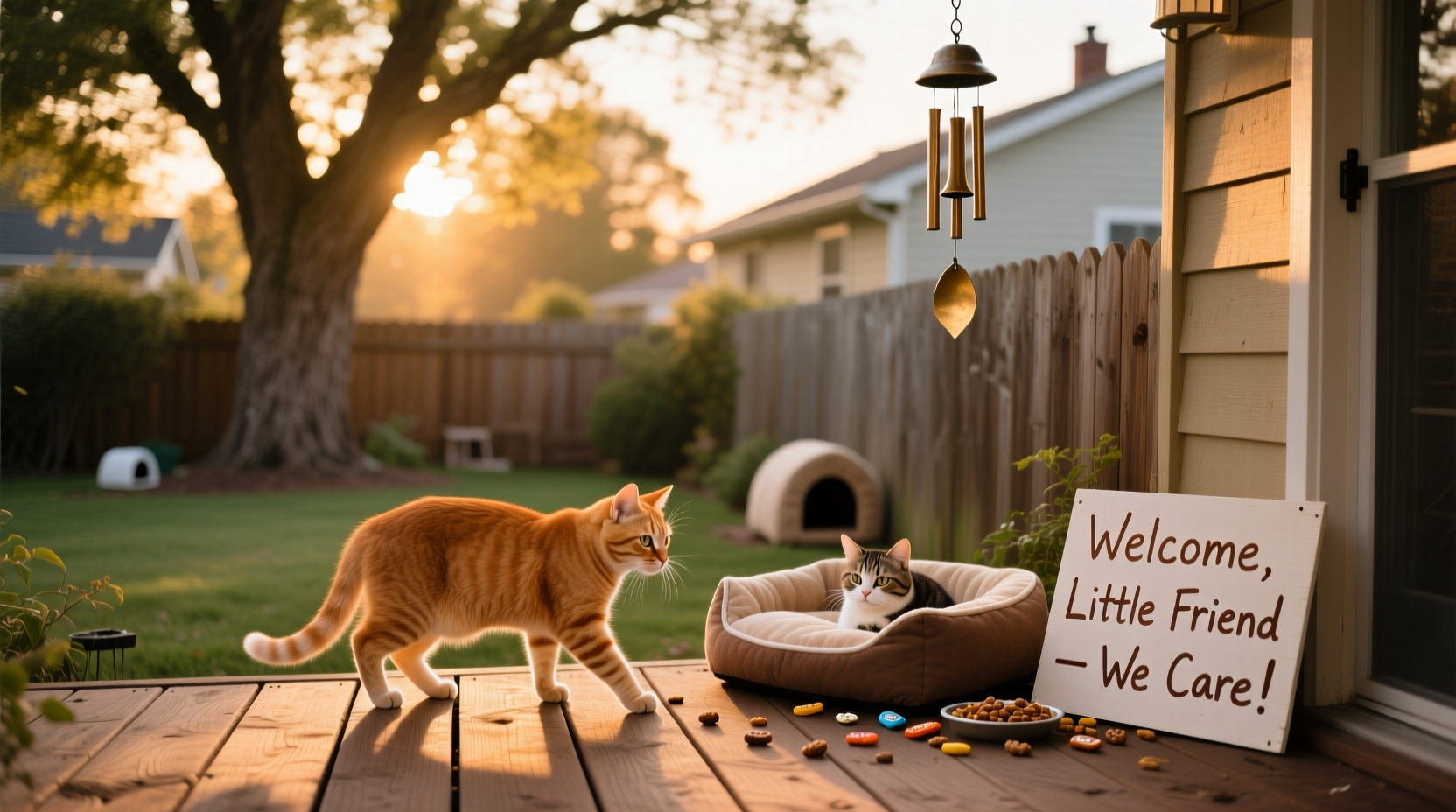
Cats are naturally curious and territorial. Whether they're strays, neighborhood roamers, or even lost pets, their presence usually stems from basic needs: food, shelter, safety, or access to mates. Before implementing any strategy, it’s essential to assess what might be attracting them.
- Food sources: Open compost bins, pet food left outside, or bird feeders can draw cats looking for an easy meal.
- Shelter: Dense shrubs, under-deck spaces, or sheds offer warm, dry hiding spots.
- Marking territory: Unneutered cats may spray or dig in gardens to mark their domain.
- Familiar pathways: Cats often follow established routes between homes, especially in urban or suburban neighborhoods.
Addressing these root causes is more effective than simply reacting to the cat's presence. A holistic approach ensures lasting results without causing distress to the animal.
Tip: Walk your property at dawn or dusk—the times cats are most active—to identify entry points and attractants.Humane Deterrents That Work
Physical barriers and startling devices can discourage cats without harming them. The goal is to create an environment where cats feel unsafe or unwelcome, prompting them to seek more hospitable areas.
- Motion-activated sprinklers: These devices detect movement and release a short burst of water. They’re startling but harmless, and most cats avoid the area after one or two encounters.
- Ultrasonic repellents: Emit high-frequency sounds that cats dislike but are inaudible to humans. Place them near garden beds or entry zones.
- Loose gravel or chicken wire: Cats dislike walking on uneven or unstable surfaces. Lay gravel along garden edges or cover soil with chicken wire beneath mulch.
- Scent deterrents: Use natural scents cats avoid—citrus peels, coffee grounds, or essential oils like citronella or eucalyptus (used sparingly and kept away from pets).
Consistency is crucial. Rotate methods every few weeks to prevent cats from habituating to a single deterrent.
Step-by-Step Guide to Reclaiming Your Yard
Follow this timeline to gradually reduce cat activity on your property over 4–6 weeks:
- Week 1: Audit and Remove Attractants
- Secure trash and compost bins with tight lids.
- Bring in pet food bowls immediately after feeding.
- Remove dense brush or block access to crawl spaces.
- Week 2: Install Passive Deterrents
- Place citrus peels or used coffee grounds in problem areas.
- Lay down textured mats or pine cones in flower beds.
- Week 3: Activate Motion-Based Devices
- Set up motion-activated sprinklers at key entry points.
- Install ultrasonic repellents near patios or gardens.
- Week 4–6: Monitor and Adjust
- Observe which areas remain problematic.
- Rotate scent deterrents and reposition devices.
- Consider temporary fencing if cats persist.
Do’s and Don’ts of Cat Deterrence
| Do’s | Don’ts |
|---|---|
| Use motion-activated sprinklers to startle without harm | Yell at or chase cats—it increases stress and may provoke aggression |
| Collaborate with neighbors to address shared issues | Use glue traps, poisons, or physical force—these are illegal and inhumane |
| Provide feedback to local animal welfare groups | Assume all outdoor cats are strays—they may be microchipped or owned |
| Spay/neuter community cats through TNR programs | Leave out food, even with good intentions—it encourages dependency |
Real Example: A Suburban Garden Transformed
In Portland, Oregon, homeowner Maria Lopez struggled with multiple cats using her raised vegetable beds as litter boxes. Despite fencing, the cats jumped over or slipped through gaps. She began by removing a nearby bird feeder that attracted small prey—and thus predators. Next, she installed two motion-activated sprinklers aimed at common landing zones. Within ten days, sightings dropped by 70%. She added lemon-scented cotton balls tucked into planters and blocked a gap under her shed with hardware cloth. By week six, the cats had stopped visiting entirely. “I didn’t want to hurt them,” she said. “I just wanted my garden back. Now I have both.”
Expert Insight on Compassionate Coexistence
“Cats are intelligent and sensitive creatures. Punitive measures only escalate conflict. The most effective solutions work with feline behavior, not against it.” — Dr. Rebecca Tran, Wildlife Behavior Specialist, Urban Animal Institute
Dr. Tran emphasizes that permanent change comes from altering the environment, not the animal. She recommends integrating deterrents with community efforts like Trap-Neuter-Return (TNR) programs, which reduce roaming and spraying behaviors by sterilizing free-roaming cats.
Checklist: Humane Cat Deterrence Plan
- ✅ Identify and remove food sources (pet food, compost, bird feed)
- ✅ Block access to shelters (sheds, decks, dense bushes)
- ✅ Install motion-activated sprinklers or ultrasonic devices
- ✅ Apply scent deterrents (citrus, coffee, essential oils)
- ✅ Use physical barriers (gravel, chicken wire, prick mats)
- ✅ Communicate with neighbors about shared concerns
- ✅ Report unowned cats to local TNR organizations
- ✅ Monitor progress weekly and adjust tactics as needed
FAQ
Is it legal to remove a cat from my property?
It depends on location and ownership status. In most areas, you cannot trap or relocate a cat without permission unless it’s posing an immediate threat. However, you are generally allowed to use humane deterrents to discourage loitering. If the cat appears lost or injured, contact animal control or a local rescue group.
What should I do if the cat seems friendly or lost?
Approach cautiously. Check for a collar or tags. Take a photo and post it locally online or scan for a microchip at a vet clinic or shelter. Never assume a cat is stray—many outdoor-access pets roam freely. Returning a lost cat brings relief to a worried family.
Can I stop cats from returning permanently?
With consistent effort, yes. Most cats will move on within 4–8 weeks if their needs aren’t met and the environment feels threatening. Combining multiple deterrents and eliminating attractants significantly increases success. Long-term prevention includes maintaining clean outdoor spaces and encouraging neighbors to keep cats indoors or contained.
Conclusion
Creating a cat-free zone doesn’t require conflict or cruelty. By understanding feline behavior and applying thoughtful, evidence-based strategies, you can protect your property while treating animals with dignity. The most successful outcomes come not from confrontation, but from subtle environmental shifts that guide cats toward safer, more appropriate spaces. Start today with one simple change—remove a food source, place a citrus peel, or install a sprinkler. Small actions, consistently applied, lead to lasting peace in your outdoor sanctuary.
💬 Have a story about managing outdoor cats? Share your experience or tips in the comments to help others find compassionate solutions.








