
Choosing the right training collar is one of the most important decisions a dog owner makes. A well-fitted, properly designed collar can enhance communication, improve obedience, and ensure your dog’s physical comfort during walks and training sessions. With countless options on the market—from harnesses to martingales to e-collars—it's easy to feel overwhelmed. The key lies in matching the collar type to your dog’s size, temperament, breed-specific traits, and training goals.
A collar should never cause pain or injury. Modern dog training emphasizes positive reinforcement and humane tools that support learning without fear or discomfort. This guide breaks down the most effective and comfortable training collars across small, medium, and large dogs, backed by expert insights and practical considerations.
Understanding Dog Training Collar Types
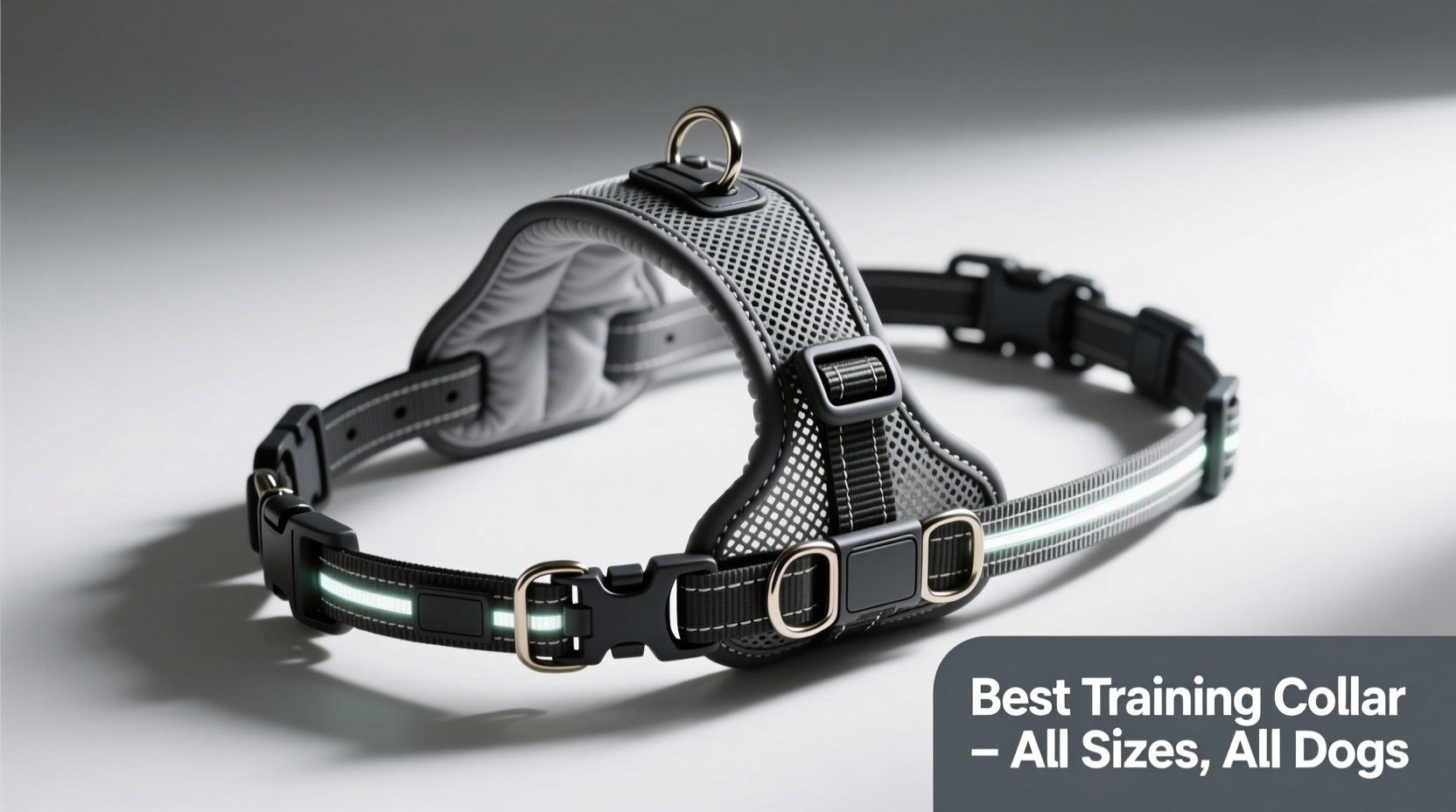
Not all collars serve the same purpose. Some are designed for everyday wear, while others are built specifically for behavior correction or control during high-distraction activities. Below are the primary types used in dog training:
- Flat Buckle Collars: Standard collars ideal for ID tags and light leash use; not recommended for strong pullers.
- Harnesses: Distribute pressure across the chest and shoulders, reducing strain on the neck—ideal for small breeds and dogs with tracheal sensitivity.
- Martingale Collars: Designed for dogs with narrow heads (like Greyhounds) that slip out of traditional collars; tighten gently when pulled.
- Head Halters: Fit over the muzzle and behind the ears, giving gentle directional control—excellent for reactive or strong-pulling dogs.
- Prong Collars: Metal-link collars that apply even pressure around the neck; controversial but sometimes used under professional guidance for large, powerful breeds.
- E-Collars (Remote Training Collars): Use vibration, tone, or static stimulation at low levels to communicate commands from a distance; require careful setup and ethical use.
“Collar selection isn’t just about control—it’s about preserving the dog’s physical integrity and trust in their handler.” — Dr. Sarah Langham, Veterinary Behaviorist
Best Collars by Dog Size and Needs
Dog size significantly influences collar choice. Small breeds need lightweight, non-restrictive designs, while larger breeds may require enhanced control features. Here’s a breakdown of top-performing collars across sizes:
| Dog Size | Recommended Collar Type | Top Pick Example | Why It Works |
|---|---|---|---|
| Small (under 20 lbs) | Soft Martingale or Harness | Sporn Soft Halter or Balance Harness | Prevents tracheal damage; secure without choking |
| Medium (20–50 lbs) | Front-Clip Harness or Head Halter | Freedom No-Pull Harness | Discourages pulling; distributes force evenly |
| Large (50–90 lbs) | Martingale with Reinforced Webbing or E-Collar | SportDOG FieldTrainer 425X | Reliable off-leash communication; durable build |
| Giant (90+ lbs) | Professional-Grade Head Halter or Dual-Attachment Harness | Gentle Leader Plus or Ruffwear Web Master | Maximum control with minimal strain on handler |
Comfort and Safety: Non-Negotiables in Collar Design
No training tool should compromise a dog’s well-being. Signs of an ill-fitting or inappropriate collar include coughing, redness on the neck, reluctance to walk, or behavioral changes such as anxiety or aggression.
Proper fit ensures the collar stays secure without restricting airflow or damaging delicate tissues. For example, martingale collars should only tighten enough to prevent escape—not constrict breathing. Similarly, prong collars must be fitted so the links lie flat against the neck, never hanging loose or pinching the skin.
Materials matter too. Nylon and biothane are popular for durability and water resistance. Padded harnesses reduce chafing, especially during extended use. Avoid thin, abrasive materials that dig into fur or skin.
Real-World Example: Managing a Strong Puller
Max, a two-year-old German Shepherd, would lunge at squirrels and drag his owner down the sidewalk. Traditional collars caused him to cough and showed no improvement in behavior. His trainer recommended switching to a front-clip Freedom No-Pull Harness combined with clicker training. Within three weeks, Max walked calmly beside his owner. The harness redirected his forward motion into a turn toward the handler, making it physically harder to pull and easier to reward good behavior.
This case illustrates how the right equipment, paired with positive reinforcement, creates lasting change without force or fear.
Step-by-Step Guide to Choosing & Fitting a Training Collar
- Assess Your Dog’s Behavior: Is your dog a puller? Reactive? Prone to slipping out? Match the issue to the appropriate collar type.
- Measure Accurately: Use a cloth tape measure around the base of the neck where the collar sits. Ensure you can fit two fingers beneath once fastened.
- Select Material Based on Lifestyle: Dogs who swim or live in wet climates benefit from quick-drying biothane. Indoor-only dogs may do fine with soft nylon.
- Fitting Check: For martingales and choke-style collars, ensure the “snug” position stops before reaching the throat. For harnesses, check that straps don’t rub armpits or restrict shoulder movement.
- Introduce Gradually: Let your dog wear the new collar indoors for short periods. Monitor for irritation or stress before using it on walks.
- Monitor and Adjust: Reassess fit every few months, especially in growing puppies or dogs with changing body conditions.
Common Mistakes to Avoid
- Using e-collars as punishment: These are communication tools, not shock devices. Low-stimulation settings should mark behavior, not cause pain.
- Leaving collars on 24/7: Especially with martingale or metal collars, constant wear increases risk of entanglement or skin irritation.
- Choosing fashion over function: Rhinestones and decorative collars often lack structural support needed for training.
- Ignoring veterinary advice: Brachycephalic breeds (e.g., Bulldogs, Pugs) should avoid any neck pressure—opt for harnesses only.
Frequently Asked Questions
Are prong collars cruel?
When used correctly under professional supervision, prong collars distribute pressure more evenly than flat collars and can be safer for large, strong dogs. However, misuse can lead to injury or fear-based aggression. They are not recommended for novice owners.
Can I use an e-collar on a puppy?
Most experts advise waiting until a dog is at least 6 months old. Younger puppies are still developing emotionally and physically. Positive reinforcement methods are far more effective during early socialization stages.
How do I know if a harness fits properly?
The harness should allow full range of motion without shifting excessively. You should be able to fit one to two fingers under each strap. The leash attachment should sit centered on the chest for front-clip models, or on the back for standard designs.
Expert Checklist: Selecting the Right Training Collar
- ✅ Identify your dog’s specific training challenge (pulling, escaping, reactivity)
- ✅ Rule out medical issues (e.g., neck pain, respiratory problems)
- ✅ Measure neck and chest girth accurately
- ✅ Choose a collar type aligned with your training philosophy (positive vs. corrective)
- ✅ Try the collar under supervision before regular use
- ✅ Consult a certified trainer if unsure
Final Thoughts and Next Steps
The best training collar isn’t the strongest or most intimidating—it’s the one that supports clear communication, ensures comfort, and respects your dog’s individual needs. Whether you’re walking a Chihuahua through city streets or managing a high-energy Husky in open fields, the right collar makes all the difference.
Start by evaluating your current gear. Does it fit well? Is your dog showing signs of discomfort? Consider upgrading to a species-appropriate design that enhances safety and cooperation. When in doubt, seek guidance from a force-free certified trainer or veterinary behaviorist.
💬 Have experience with a particular collar that transformed your walks? Share your story in the comments—your insight could help another dog owner find the perfect fit.








