
As pet ownership rises, so does the volume of pet waste—and with it, the environmental footprint left behind by conventional disposal methods. Millions of plastic pet waste bags end up in landfills each year, where they can take centuries to decompose. Even biodegradable or compostable alternatives often fail to break down under landfill conditions. The good news? With mindful choices and consistent habits, pet owners can significantly reduce their ecological impact. This guide offers practical, science-backed strategies for the eco-friendly disposal of pet waste bags, helping you build a sustainable routine that benefits both your pet and the planet.
Understanding the Environmental Impact of Pet Waste Disposal
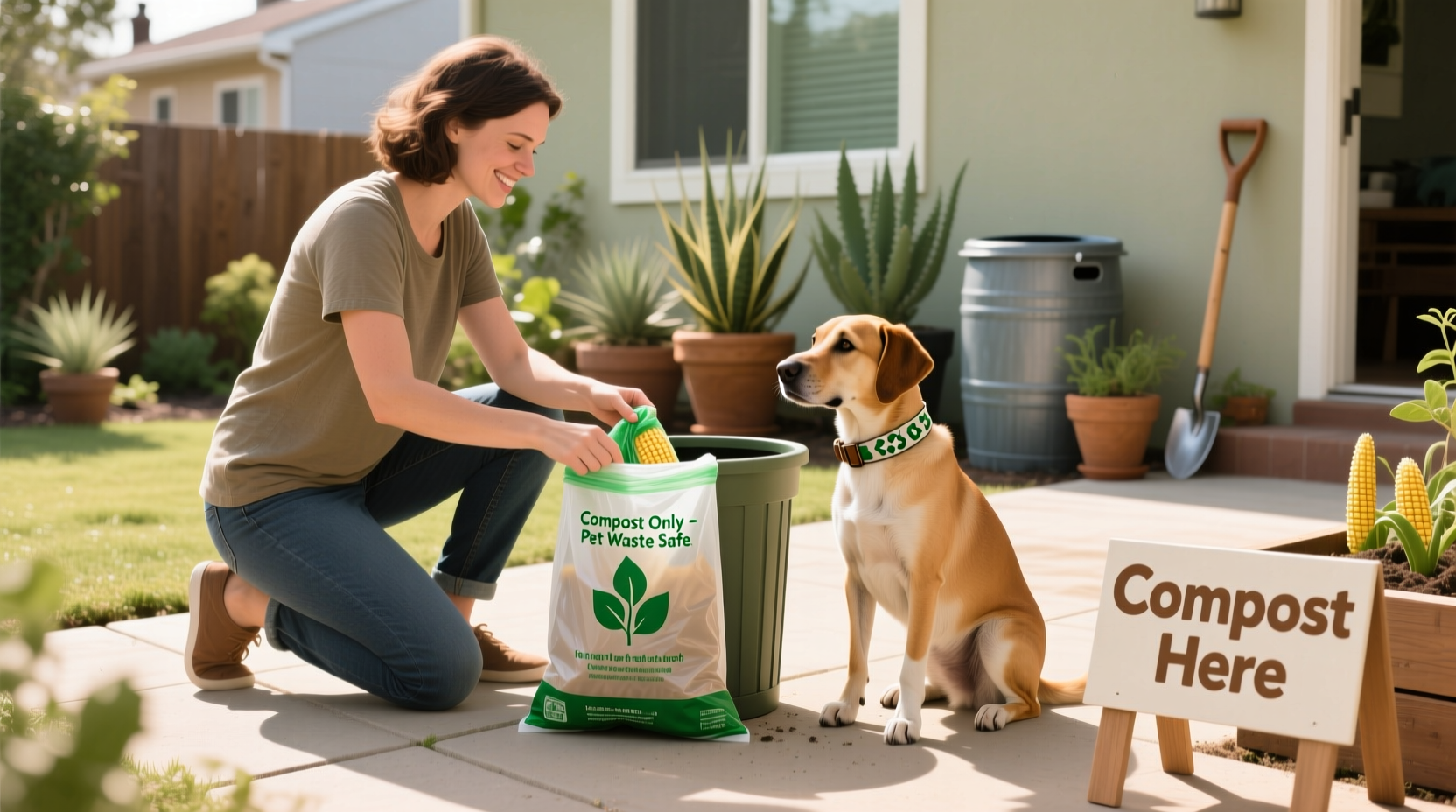
Pet waste is more than just an eyesore—it carries pathogens like E. coli, giardia, and salmonella that can contaminate water sources if not properly managed. When sealed in non-biodegradable plastic bags and sent to landfills, the waste contributes to methane emissions as it slowly breaks down without oxygen. Meanwhile, the plastic itself persists in the environment, leaching microplastics over time.
Even \"compostable\" bags labeled as eco-friendly often require industrial composting facilities with high heat and controlled conditions to degrade. Most curbside compost programs do not accept pet waste due to health risks, rendering these bags ineffective unless disposed of correctly.
“Most consumers assume compostable means backyard compostable, but that’s rarely the case. Without proper infrastructure, even plant-based bags end up polluting.” — Dr. Lena Torres, Environmental Scientist at the Sustainable Cities Institute
Choosing the Right Bag: Biodegradable vs. Compostable vs. Reusable
The first step toward greener pet waste disposal begins before the walk—when selecting the bag. Not all “eco” bags are created equal. Understanding labeling and certifications helps avoid greenwashing.
| Type | Decomposition Conditions | Lifespan in Landfill | Eco-Friendliness |
|---|---|---|---|
| Traditional Plastic | Does not degrade | 500+ years | Low |
| Oxo-biodegradable | Sunlight & fragmentation | Breaks into microplastics | Poor (banned in EU) |
| Home-compostable | Backyard compost (moderate heat) | 3–6 months | High (if composted correctly) |
| Industrial-compostable | Facility-only (high heat) | Years in landfill | Moderate (only with access) |
| Reusable Scoop + Washable Liner | None (reused) | N/A | Very High |
Step-by-Step Guide to Eco-Friendly Pet Waste Disposal
Adopting a greener routine doesn’t require drastic changes—just consistency and awareness. Follow this five-step process to minimize your pet’s environmental pawprint:
- Collect waste using a certified compostable or reusable system. Avoid standard plastic. If using compostable bags, ensure they meet recognized standards.
- Dispose based on local infrastructure:
- If you have access to a municipal pet waste composting program, use it.
- If you maintain a dedicated pet waste composter (not for food crops), add waste there.
- Otherwise, seal the bag and place it in the trash—this prevents contamination of recycling streams.
- For reusable systems: Use a durable scooper with washable silicone liners. After use, rinse into the toilet (where permitted) or a designated outdoor drain.
- Clean tools regularly with vinegar or pet-safe disinfectant to prevent odor and bacteria buildup.
- Track your supply to avoid over-purchasing and reduce packaging waste.
Real Example: How One Community Reduced Pet Waste Pollution
In Boulder, Colorado, residents of the Northfield neighborhood launched a pilot program to address dog waste pollution in local parks. They installed pet waste stations with bins accepting only certified compostable bags. Collected waste was transported to an industrial composting facility licensed to process animal waste. Over 18 months, park water testing showed a 60% reduction in fecal coliform levels, and community surveys revealed 78% of dog owners had switched to compostable bags. The city later expanded the initiative citywide, citing measurable environmental and public health improvements.
This case illustrates how individual actions, when supported by infrastructure and education, can scale into meaningful change.
Do’s and Don’ts of Eco-Friendly Pet Waste Management
| Do | Don’t |
|---|---|
| Use bags labeled “home-compostable” if composting yourself | Flush pet waste unless explicitly advised (can clog pipes and harm septic systems) |
| Check with your municipality about pet waste collection programs | Assume “biodegradable” means safe for the environment |
| Wash reusable scoops and liners after each use | Put pet waste in yard waste or curbside compost bins (contamination risk) |
| Store compostable bags in a cool, dry place to preserve integrity | Leave bags unsealed or exposed to rain (leaks cause runoff pollution) |
Building a Sustainable Routine: A Practical Checklist
Consistency turns intention into impact. Use this checklist to integrate eco-friendly pet waste disposal into your daily life:
- ✅ Switch to certified compostable or reusable waste collection tools
- ✅ Research local disposal options: Does your city offer pet waste composting?
- ✅ Set up a dedicated bin for pet waste if backyard composting safely possible
- ✅ Keep a small supply of bags in a reusable pouch during walks
- ✅ Clean reusable tools weekly and replace worn components promptly
- ✅ Educate family members or dog walkers on your green protocol
- ✅ Monitor advancements in pet waste tech (e.g., digesters, enzymatic breakdown systems)
Frequently Asked Questions
Can I compost dog waste at home?
Yes, but only in a dedicated compost system separate from food gardens. Dog waste contains pathogens that require sustained high temperatures (above 140°F) to break down safely. Use a closed-bin composter designed for pet waste and never apply the resulting compost to edible plants.
Are flushable pet waste bags safe to use?
Only if your local wastewater system permits it. Many municipalities discourage flushing pet waste due to parasite resistance to treatment processes. Check with your water authority before adopting flushable products. Note: These bags often contain plastics despite marketing claims.
What’s the most sustainable option overall?
A reusable scooper with washable liners, emptied into the toilet (where plumbing allows), is the lowest-waste solution. For those needing disposable options, home-compostable bags used in a proper pet waste composter offer the next best alternative.
Take Action for a Cleaner, Greener Future
Every time you pick up after your pet, you’re making a choice—one that ripples through ecosystems far beyond your sidewalk. By choosing truly compostable materials, leveraging local composting resources, or investing in reusable tools, you transform a routine chore into an act of environmental stewardship. Small shifts, practiced consistently, lead to large-scale change. Start today: audit your current method, explore better alternatives, and commit to a disposal routine that respects both your pet and the planet.
💬 Share your eco-pet tips! Have you found a sustainable system that works? Comment below and inspire others to go green.








