
For millions of cat owners, cleaning the litter box is a daily ritual. But few consider the environmental and health implications of how they dispose of used cat litter. Flushing it down the toilet or tossing it in the yard might seem convenient, but these actions can introduce harmful pathogens into water systems or soil, damage septic systems, and contribute to landfill waste. With growing awareness around sustainability and pet safety, it’s time to rethink how we handle this essential—but often overlooked—aspect of pet care.
Choosing eco-friendly and safe disposal methods not only protects your family and pets but also reduces your household’s environmental footprint. From biodegradable litter options to responsible waste handling, every step counts.
Why Proper Cat Litter Disposal Matters
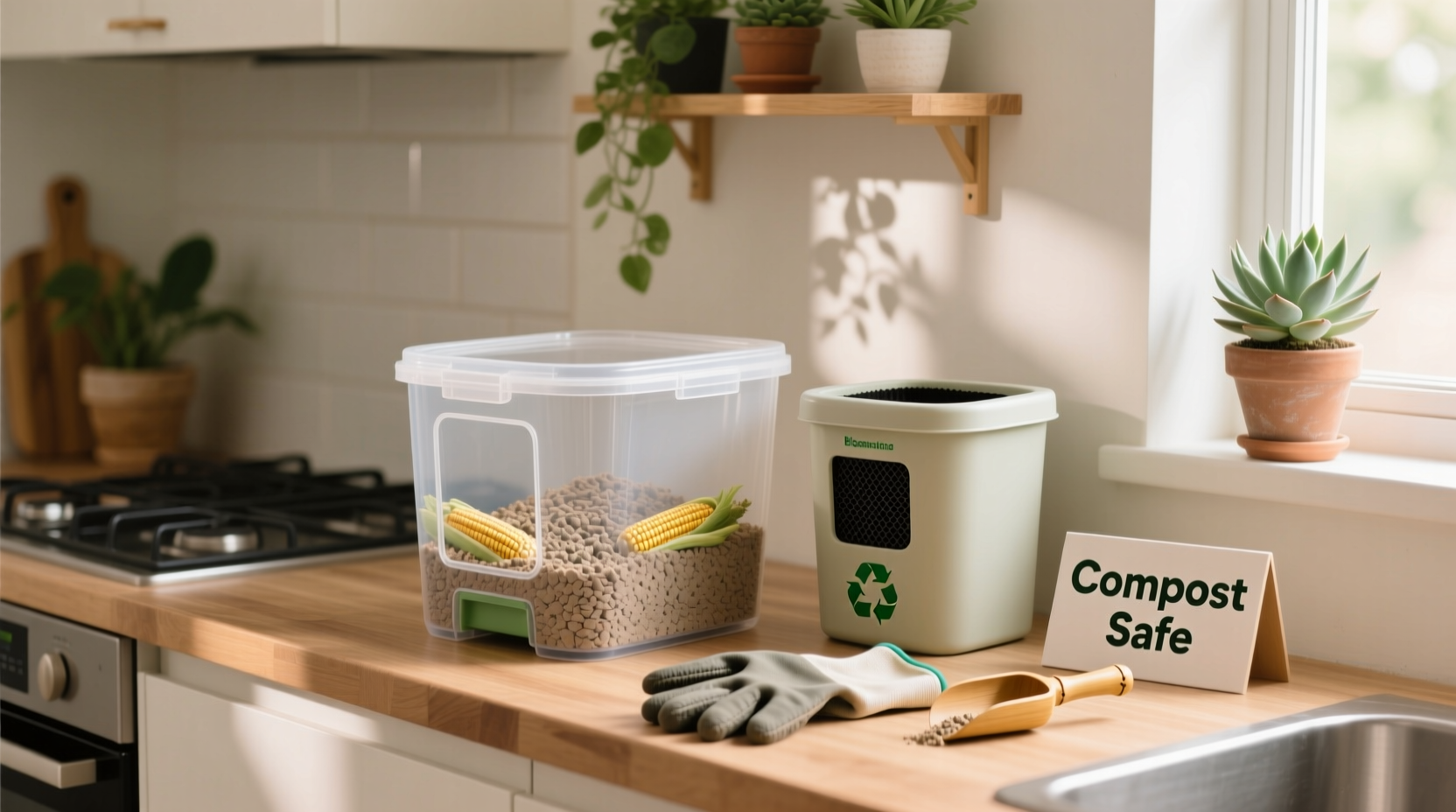
Cat feces can carry *Toxoplasma gondii*, a parasite that poses risks to pregnant individuals and those with compromised immune systems. When flushed or composted improperly, this pathogen can survive wastewater treatment and contaminate marine ecosystems. In fact, studies have linked toxoplasmosis in sea otters to runoff from urban areas where cat waste entered storm drains.
Beyond health concerns, conventional clay litters are strip-mined, non-biodegradable, and can take centuries to decompose in landfills. Clumping litters, especially when flushed, can clog pipes and damage septic tanks. The Environmental Protection Agency (EPA) advises against flushing cat waste due to the risk of sewer blockages and contamination.
Tip: Never flush cat litter—even if labeled \"flushable\"—if you have a septic system. It can cause costly damage over time.Step-by-Step Guide to Safe and Sustainable Disposal
Adopting a consistent, responsible routine ensures safety and minimizes environmental harm. Follow this five-step process for effective cat litter disposal:
- Scoop Daily: Remove solid waste and clumps every day to reduce odor and bacterial growth. Use biodegradable or compostable scoops when possible.
- Contain Waste: Place soiled litter in a sealed, leak-proof bag. Double-bagging prevents leaks and contains odors.
- Choose the Right Trash Route: Dispose of bags in an outdoor trash can with a tight-fitting lid to deter pests and prevent rainwater from spreading contaminants.
- Avoid Composting (Unless Done Correctly): Cat waste should never go into compost used for food gardens. Only use dedicated, isolated compost systems for non-edible landscaping—if local regulations allow.
- Wash Hands Thoroughly: Always wash hands with soap and water after handling litter to prevent transmission of pathogens.
Eco-Friendly Litter Options and Their Disposal Compatibility
The type of litter you use directly affects how safely and sustainably you can dispose of it. Not all “natural” litters are created equal. Here's a comparison of common eco-friendly litters and their disposal suitability:
| Litter Type | Biodegradable? | Flushable? | Compostable? | Landfill-Safe? |
|---|---|---|---|---|
| Paper-based | Yes | No | Yes (non-food compost) | Low impact |
| Wood Pellets | Yes | No | Yes (with precautions) | Good |
| Wheat or Corn | Yes | Only if labeled flushable | Limited (risk of mold) | Moderate |
| Recycled Cardboard | Yes | No | Yes | Excellent |
| Silica Gel Crystals | No | No | No | Poor (persistent waste) |
Note: Even biodegradable litters should not be composted at home unless you follow strict guidelines. The high temperatures required to kill pathogens like *Toxoplasma* are rarely achieved in backyard compost piles.
Real Example: A Portland Homeowner’s Safer Solution
When Sarah, a cat owner in Portland, learned her local watershed had tested positive for toxoplasmosis, she reevaluated her litter habits. She had been flushing “flushable” wheat litter, believing it was safe. After consulting with a local vet and environmental group, she switched to a closed-loop system: using recycled paper litter, double-bagging waste in compostable bags, and storing it in a locked outdoor bin until trash day.
She also started lining her trash can with old newspaper and sprinkling baking soda at the bottom to control odors. Within weeks, her kitchen smelled better, and she felt confident she wasn’t harming the environment. Her story reflects a growing trend among urban pet owners who balance convenience with ecological responsibility.
Expert Insight on Pet Waste Management
“Most people don’t realize that cat waste is classified as hazardous household biohazard in several states. While it’s small in volume, improper disposal has outsized impacts on water quality and public health.” — Dr. Lena Torres, Environmental Veterinarian and Public Health Advisor
Dr. Torres emphasizes that education is key. Municipalities often lack clear guidance on pet waste, leading to widespread misconceptions. She recommends treating cat litter like other biohazards—contained, sealed, and disposed of through regulated waste channels.
Checklist: Eco-Safe Cat Litter Disposal Routine
- ☑ Use biodegradable, plant-based litter whenever possible
- ☑ Scoop waste daily and seal in compostable or recyclable bags
- ☑ Store sealed bags in a secure outdoor trash container
- ☑ Never flush cat litter or feces, even if packaging claims it’s safe
- ☑ Wash hands and disinfect tools after cleaning the litter box
- ☑ Avoid composting cat waste in food gardens or community composts
- ☑ Replace plastic scoops and liners with sustainable alternatives
Frequently Asked Questions
Can I bury cat litter in my backyard?
No, it’s not recommended. Burying cat waste—even in deep holes—can still leach pathogens into groundwater or make them accessible to wildlife. The CDC advises against burying cat feces in gardens or yards due to the risk of toxoplasmosis transmission.
Are biodegradable litter boxes worth it?
Yes, for single-use situations like travel or emergencies. Fully biodegradable boxes made from recycled paper or wood pulp break down faster in landfills and reduce plastic use. However, they’re less durable than plastic and best paired with compostable liners.
What should I do during a power outage or emergency?
In emergencies, store waste in sealed, durable containers like empty paint buckets with lids. Line them with double garbage bags and keep them outside if possible. Once services resume, dispose of contents at a designated waste facility if local rules permit.
Conclusion: Make Every Scoop Count
Disposing of cat litter responsibly isn’t just about cleanliness—it’s a commitment to health, safety, and sustainability. By choosing the right litter, following a disciplined disposal routine, and staying informed, you protect your loved ones and the planet. Small changes in daily habits lead to meaningful environmental outcomes over time.
Every scoop is an opportunity to act with care. Start today by auditing your current method and upgrading one element—whether it’s switching to compostable bags, securing your trash bin, or simply washing your hands more thoroughly. Share your journey with fellow pet owners and help normalize eco-conscious pet parenting.
💬 Have a tip or success story about eco-friendly litter disposal? We’d love to hear how you’ve made a difference—leave a comment and inspire others to follow suit.








