
There’s a reason the sausage biscuit reigns supreme on American breakfast menus: it’s rich, satisfying, and deeply comforting. But you don’t need to visit a drive-thru or wait in line at a diner to enjoy one. With a streamlined approach and smart ingredient choices, you can make a restaurant-quality sausage biscuit at home in under 15 minutes. This isn’t just about convenience—it’s about reclaiming control over flavor, fat content, and freshness. Whether you're fueling up before work, hosting a weekend brunch, or prepping grab-and-go breakfasts for the week, this recipe delivers crisp-edged patties, fluffy biscuits, and perfectly seasoned meat in record time.
Definition & Overview
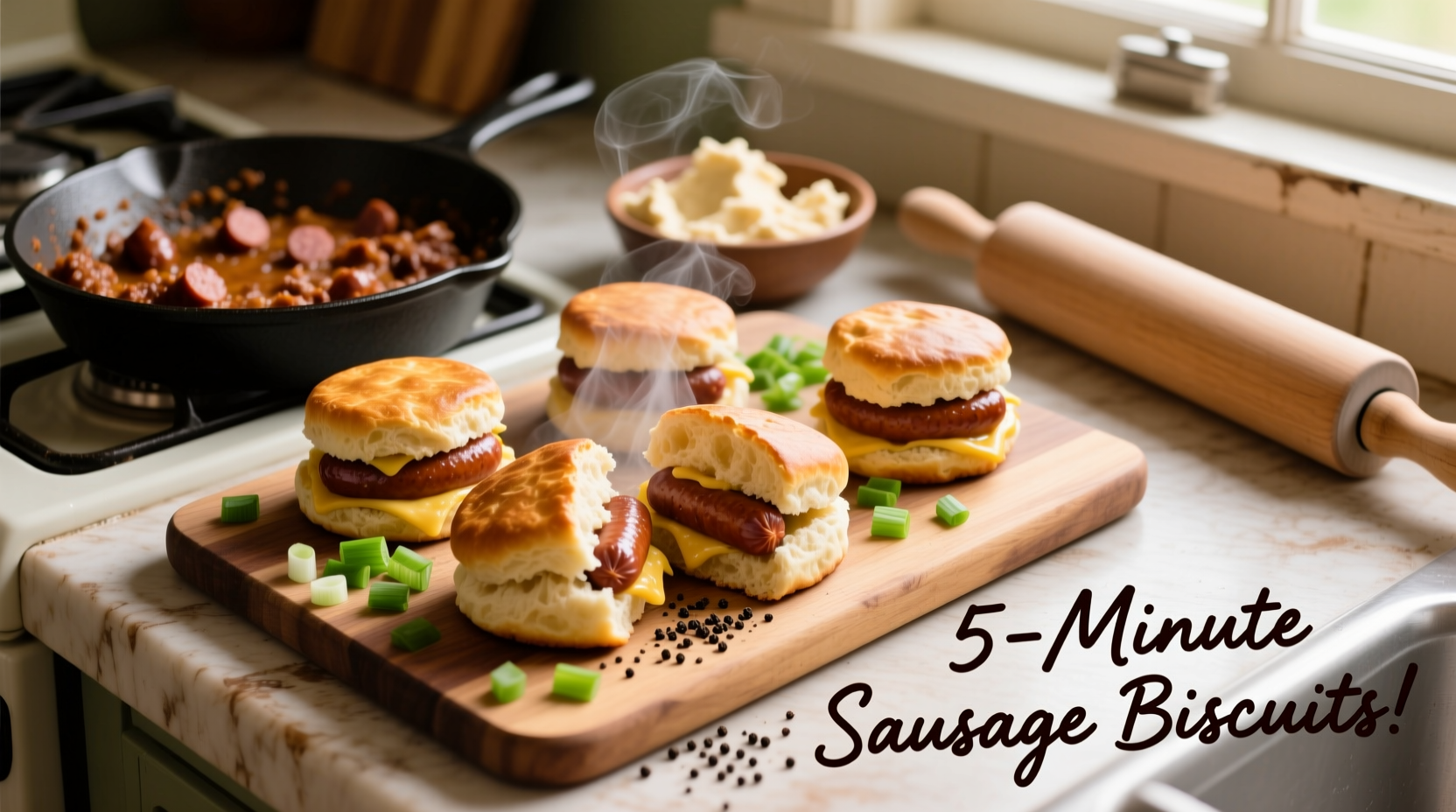
A sausage biscuit is a classic American breakfast sandwich composed of a cooked pork sausage patty nestled inside a split, buttered biscuit. The dish originated in the Southern United States, where flaky buttermilk biscuits are a staple, and evolved into a fast-food favorite through chains like McDonald's and regional diners. However, the homemade version far surpasses its commercial counterparts in both taste and texture. Unlike mass-produced versions that often rely on processed fillers and sodium-heavy blends, a well-made homemade sausage biscuit uses minimal ingredients—fresh ground pork, spices, flour, butter, and buttermilk—to create a savory, moist, and aromatic handheld meal.
The beauty of the sausage biscuit lies in its simplicity and versatility. It functions equally well as a hearty solo breakfast, a base for adding eggs or cheese, or even a component in a larger brunch spread. The biscuit provides a tender crumb and subtle tang from buttermilk, while the sausage offers savory depth with hints of black pepper, sage, and garlic. When assembled correctly, each bite balances richness, salt, and flakiness without greasiness or dryness.
Key Characteristics
- Flavor: Savory, slightly peppery sausage with herbal notes (especially sage); biscuit is mildly tangy and buttery.
- Aroma: Warm, meaty, and inviting, with toasted dairy and roasted pork scents when freshly cooked.
- Texture: Crisp exterior on the sausage patty; juicy interior. Biscuit is light, layered, and slightly springy.
- Color: Golden-brown sear on the sausage; biscuit ranges from pale gold to deep amber depending on baking time.
- Culinary Function: Breakfast centerpiece, portable meal, or base for more elaborate sandwiches (e.g., with egg or cheese).
- Shelf Life: Best served immediately. Patties can be refrigerated for 3 days or frozen for up to 3 months. Biscuits keep 2 days at room temperature or freeze well for 1 month.
Pro Tip: For optimal freshness, cook sausage patties fresh and reheat biscuits gently in a toaster oven. Assemble only when ready to eat to prevent sogginess.
Practical Usage: How to Make Sausage Biscuits in Minutes
The key to speed lies not in shortcuts that compromise quality, but in preparation strategy and efficient cooking techniques. This method assumes you’re starting from scratch—but streamlines every step so total hands-on time is under 15 minutes, with most of that spent multitasking.
Ingredients (Makes 4 sausage biscuits)
Sausage Patties:
- 1 lb (450g) ground pork (80–85% lean)
- 1 tsp kosher salt
- 1 tsp freshly ground black pepper
- 1½ tsp dried rubbed sage
- ½ tsp garlic powder
- ¼ tsp cayenne pepper (optional, for heat)
- 1 tbsp unsalted butter or oil (for cooking)
Biscuits:
- 2 cups (250g) all-purpose flour
- 1 tbsp baking powder
- ½ tsp baking soda
- 1 tsp sugar
- ¾ tsp salt
- 6 tbsp cold unsalted butter, cubed
- ¾ cup (180ml) cold buttermilk
- Additional butter (for brushing tops)
Step-by-Step Instructions
- Preheat oven and prepare biscuit dough (5 minutes): Preheat oven to 450°F (230°C). In a large bowl, whisk together flour, baking powder, baking soda, sugar, and salt. Cut in cold butter using a pastry cutter or fork until mixture resembles coarse crumbs with pea-sized butter pieces. Stir in buttermilk just until a shaggy dough forms—do not overmix.
- Shape and cut biscuits (3 minutes): Turn dough onto a lightly floured surface. Gently pat into a ¾-inch thick rectangle. Use a 3-inch round cutter to stamp out 4 biscuits. Place on a parchment-lined baking sheet. Reroll scraps if needed. Brush tops with melted butter for browning.
- Cook sausage patties (7 minutes): While biscuits bake, season ground pork with salt, pepper, sage, garlic powder, and cayenne. Divide into 4 equal portions (about 4 oz each). Flatten into ½-inch thick patties. Heat butter or oil in a skillet over medium-high heat. Cook patties 3–4 minutes per side until deeply browned and internal temperature reaches 160°F (71°C). Transfer to a paper towel-lined plate.
- Bake biscuits (12 minutes): Bake biscuits 10–12 minutes until golden brown and risen. Remove and let cool slightly.
- Assemble (1 minute): Split warm biscuits open. Place a sausage patty inside each. Optionally add a slice of cheddar or a fried egg. Serve immediately.
Total active time: approximately 14 minutes. Passive baking overlaps with sausage cooking, maximizing efficiency.
Time-Saving Hack: Prepare biscuit dough the night before. Wrap the shaped but uncut dough in plastic and refrigerate. In the morning, simply cut and bake—no extra rise time needed.
Variants & Types
While the traditional pork sausage biscuit remains the gold standard, numerous variations cater to different tastes, dietary needs, and culinary creativity.
By Protein Type
- Pork: Classic choice—rich, fatty, and full-flavored. Ideal for those seeking authenticity.
- Turkey: Leaner and lighter, with milder taste. Benefits from added fat (like olive oil or grated onion) to prevent dryness.
- Chicken: Delicate flavor; pairs well with herbs like thyme or tarragon instead of sage.
- Plant-Based: Commercial veggie sausages or homemade lentil-mushroom blends offer vegan options. Choose varieties with smoky seasoning to mimic pork.
By Biscuit Style
- Buttermilk Biscuit: Traditional, slightly tangy, tender crumb. Made with cold butter and handled minimally.
- Drop Biscuit: Faster version—dough is scooped rather than rolled. Less uniform but still fluffy.
- Cheddar Biscuit: Sharp cheddar folded into the dough adds umami and visual appeal.
- Garlic-Herb Biscuit: Infused with minced garlic, parsley, and chives for an elevated profile.
By Seasoning Profile
- Southern-Style: Heavy on sage, black pepper, and a touch of nutmeg.
- Spicy Cajun: Adds smoked paprika, cayenne, and onion powder for heat and complexity.
- Maple-Infused: A drizzle of maple syrup in the sausage mix creates sweet-savory balance—popular in Northern U.S. regions.
| Variation | Best For | Adjustments Needed |
|---|---|---|
| Turkey Sausage + Whole Wheat Biscuit | Health-conscious eaters | Add 1 tbsp olive oil to turkey mix; use 50% whole wheat flour |
| Vegan Sausage + Gluten-Free Biscuit | Dietary restrictions | Use GF flour blend and plant-based butter |
| Egg-Included (Sausage, Egg, and Cheese Biscuit) | Hearty breakfast lovers | Fry egg to preference; add cheddar slice during last minute of patty cook time |
Comparison with Similar Ingredients
The sausage biscuit is sometimes confused with other breakfast sandwiches, but key distinctions exist in structure, composition, and cultural origin.
| Item | Main Components | Texture | Origin/Context |
|---|---|---|---|
| Sausage Biscuit | Pork patty + buttermilk biscuit | Flaky, tender, juicy | Southern U.S. home cooking |
| Sausage McMuffin | Pork patty + English muffin | Denser, chewier, less buttery | Fast food (McDonald’s) |
| Bacon, Egg, and Cheese Sandwich | Bacon + egg + cheese + roll/bread | Crispy, gooey, substantial | Diner-style, Northeastern U.S. |
| Breakfast Burrito | Scrambled eggs + meat + beans + tortilla | Soft, wrapped, portable | Mexican-American fusion |
Unlike English muffins or bagels, which are yeast-leavened and denser, biscuits rely on chemical leavening (baking powder/soda) and steam from butter for lift. This results in a more delicate, melt-in-the-mouth experience. Similarly, the use of sage-seasoned sausage distinguishes it from bacon-based sandwiches, offering earthier, warmer flavors versus smoky-salty profiles.
“The homemade sausage biscuit is where technique meets tradition. You’re not just assembling ingredients—you’re building layers of memory, comfort, and craftsmanship.” — Chef Lena Thompson, Southern Culinary Institute
Practical Tips & FAQs
Can I make the sausage patties ahead of time?
Yes. Form and season patties, then store in an airtight container in the refrigerator for up to 3 days or freeze on a tray before transferring to a freezer bag for 3 months. Cook directly from cold—add 1 minute per side.
How do I prevent dry sausage patties?
Use pork with 15–20% fat content. Avoid overcooking—remove from heat at 160°F. Let patties rest 1 minute before serving to retain juices.
Why did my biscuits turn out tough?
Overmixing develops gluten, leading to chewiness. Mix dough only until it comes together. Also, ensure your baking powder is fresh—expired leavener reduces rise.
Can I use store-bought biscuits?
You can, but flavor and texture will differ. Refrigerated tube biscuits lack buttery depth and often contain preservatives. Frozen par-baked biscuits from brands like Pepperidge Farm offer better results when crisped in the oven.
What’s the best way to reheat sausage biscuits?
To preserve texture, separate components. Reheat biscuit in a toaster oven at 350°F for 4–5 minutes. Warm patty in a skillet over low heat. Reassemble just before eating.
Are there gluten-free or keto options?
Yes. For gluten-free, use a 1:1 GF flour blend and xanthan gum (if not included). For keto, replace biscuits with cloud bread or portobello mushroom caps, and use almond flour-based sausage binders sparingly.
How can I boost flavor without adding sodium?
Use fresh herbs (thyme, rosemary), smoked paprika, or a splash of apple cider vinegar in the sausage mix. Toasted spices enhance aroma without salt.
Meal Prep Strategy: Cook and freeze sausage patties in parchment-separated stacks. Bake fresh biscuits weekly. Combine in minutes for weekday breakfasts.
Can I cook everything in one pan?
Partially. After browning sausage patties, remove them and use the same skillet to melt butter and sauté onions or mushrooms for added dimension. However, biscuits require oven baking—no stovetop substitute replicates proper rise and crust.
Summary & Key Takeaways
The homemade sausage biscuit is more than a quick breakfast—it’s a testament to how simple ingredients, properly handled, can yield extraordinary results. By understanding the roles of fat, leavening, and seasoning, you can produce a sandwich that outshines any fast-food version in flavor, texture, and nutritional transparency.
Core principles for success include:
- Using high-fat ground pork (80/20) for juicy, flavorful patties.
- Handling biscuit dough minimally to maintain tenderness.
- Seasoning sausage with sage, pepper, and garlic for authentic Southern character.
- Overlapping cooking tasks (baking biscuits while frying sausage) to minimize time.
- Storing components separately for optimal reheating and meal prep.
Variations allow customization for health goals, dietary needs, or creative exploration—whether swapping in turkey, adding cheese, or experimenting with spice blends. The dish’s adaptability ensures it remains relevant across seasons and palates.
Ultimately, mastering the sausage biscuit empowers home cooks to reclaim breakfast from the realm of processed convenience. With this recipe, you gain not just a meal, but a foundational skill in balancing speed, quality, and satisfaction—one golden, buttery bite at a time.
Ready to elevate your mornings? Try making a double batch this weekend, freeze half the patties, and enjoy a gourmet breakfast in under five minutes all week long.









