Dry, crumbly dog poop is more than just an unpleasant surprise during a walk—it can be a sign that something’s off with your dog’s digestive system. While occasional changes in stool consistency are normal, consistently dry or fragmented feces may point to dehydration, dietary imbalances, or underlying health issues. Recognizing the root cause early can prevent discomfort for your pet and avoid complications down the line. This guide breaks down the most common reasons behind dry, crumbly stools and offers practical, vet-backed solutions.
Understanding Normal vs. Abnormal Dog Stool
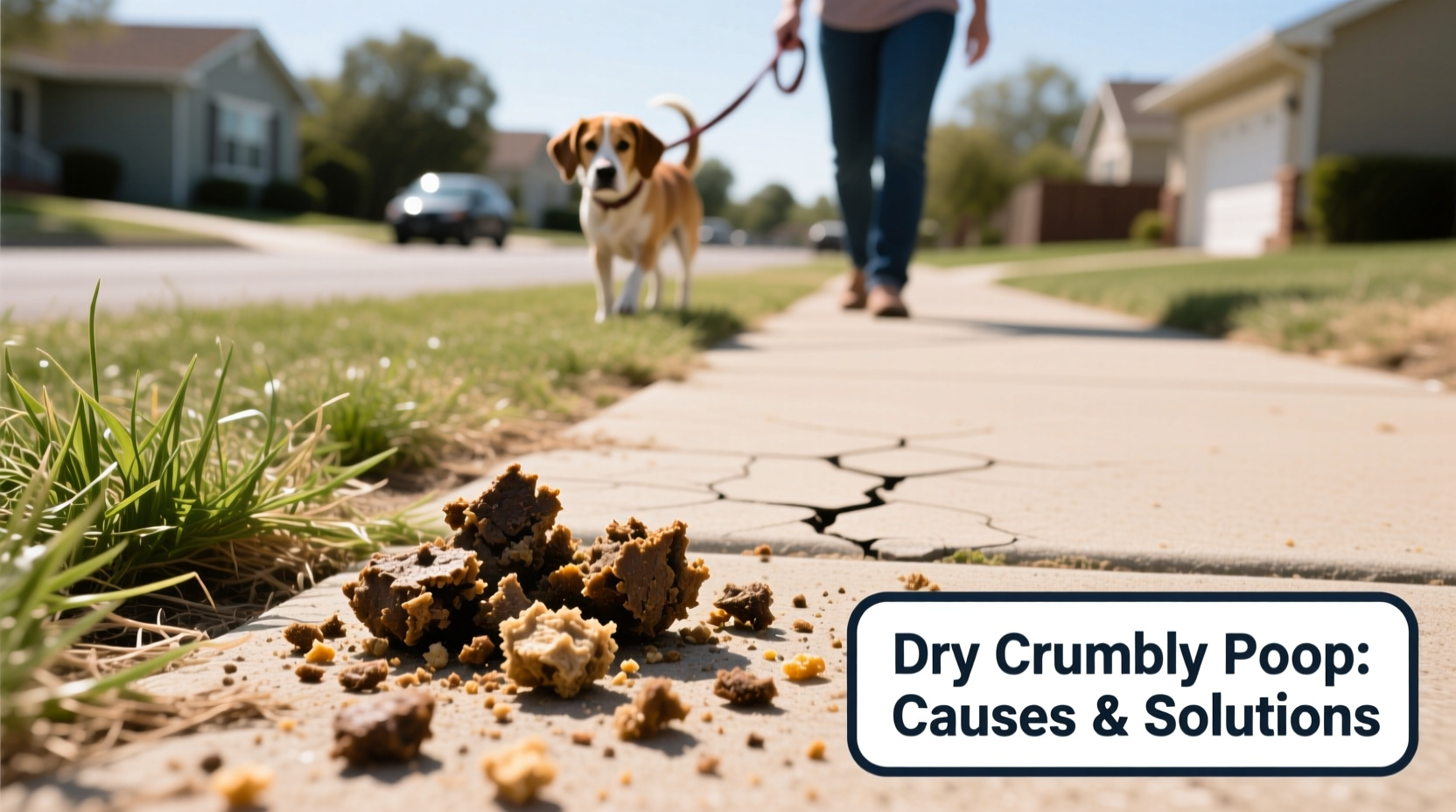
Healthy dog poop should be firm, moist, and shaped like a sausage—easy to pick up without crumbling. It typically ranges from light to dark brown, depending on diet. When feces become dry, hard, and break apart easily, it indicates poor moisture retention in the colon, often due to slow transit time or insufficient hydration.
Crumbly stools differ from diarrhea or constipation but may overlap with both. Unlike full-blown constipation (where your dog strains and produces little to no stool), crumbly poop suggests partial bowel movement with inadequate water absorption regulation. This subtle distinction matters when determining treatment.
Tip: Monitor your dog’s poop daily—changes in color, texture, or smell can be early warning signs of health shifts.Common Causes of Dry, Crumbly Poop
Dietary Imbalances
A diet too high in dry kibble and low in moisture-rich foods can lead to dehydrated stools. Many commercial kibbles contain only 10–12% moisture, far less than the 60–70% found in raw or canned diets. Without sufficient water intake, the colon absorbs excess fluid from waste, resulting in dry, brittle feces.
Additionally, sudden food changes, low-fiber diets, or excessive fillers (like corn or soy) may impair digestion and affect stool quality.
Dehydration
Even mild dehydration impacts intestinal function. Dogs lose water through panting, urination, and activity, especially in hot weather. If not replenished, this leads to reduced intestinal motility and harder stools. Signs include lethargy, dry gums, and reduced skin elasticity.
Low Fiber Intake
Fiber plays a crucial role in regulating bowel movements. Soluble fiber absorbs water and forms a gel-like substance that softens stool, while insoluble fiber adds bulk and speeds up transit. Too little fiber results in sluggish digestion and dry residue.
Underlying Health Conditions
Chronic dry stools may signal medical concerns such as:
- Irritable Bowel Syndrome (IBS): Alters gut motility and water absorption.
- Colorectal disorders: Tumors or strictures can disrupt normal passage.
- Endocrine diseases: Hypothyroidism slows metabolism and digestion.
- Anal gland issues: Painful glands may cause incomplete evacuation, leaving behind dry remnants.
“Stool consistency is one of the most reliable indicators of gastrointestinal health in dogs. Persistent abnormalities warrant veterinary evaluation.” — Dr. Laura Chen, DVM, Small Animal Internal Medicine Specialist
Step-by-Step Guide to Improving Your Dog’s Stool Quality
Addressing dry, crumbly poop involves adjusting diet, hydration, and lifestyle. Follow these steps methodically to identify and resolve the issue:
- Assess Water Intake: Ensure fresh water is always available. Add multiple bowls around the house or consider a pet fountain to encourage drinking.
- Incorporate Moist Foods: Mix canned food or add warm water to kibble. You can also offer bone broth (without onions or garlic) for added flavor and hydration.
- Add Fiber Gradually: Introduce pumpkin puree (not pie filling), psyllium husk, or cooked sweet potatoes. Start with 1 teaspoon per 10 lbs of body weight daily.
- Review Current Diet: Check ingredient labels for low-quality fillers. Opt for whole meats, digestible carbohydrates, and natural fiber sources.
- Monitor Exercise: Regular physical activity stimulates healthy bowel motility. Aim for at least 30 minutes of walking or playtime daily.
- Eliminate Stressors: Anxiety affects digestion. Maintain consistent routines and provide mental stimulation.
- Track Progress: Keep a stool journal noting frequency, texture, and any behavioral changes.
Tips and Best Practices for Prevention
Maintaining consistent digestive health requires proactive care. Use this checklist to support optimal stool formation:
Dog Digestive Health Checklist
- ✅ Provide constant access to clean, fresh water
- ✅ Feed a balanced, species-appropriate diet
- ✅ Incorporate moisture-rich foods (canned, raw, or soaked kibble)
- ✅ Add safe fiber sources like pumpkin or green beans
- ✅ Schedule regular vet check-ups (at least annually)
- ✅ Watch for changes in appetite, energy, or bathroom habits
- ✅ Avoid feeding table scraps high in fat or seasoning
Do’s and Don’ts: Managing Dry Poop
| Do’s | Don’ts |
|---|---|
| Gradually introduce new foods | Suddenly switch diets without transition |
| Encourage water intake with fountains or flavored broths | Allow prolonged dehydration, especially after exercise |
| Use plain pumpkin (not spiced) for fiber | Give human laxatives or medications without vet approval |
| Take note of other symptoms (vomiting, weight loss) | Ignore persistent changes lasting more than 48 hours |
Real Example: Max’s Recovery from Chronic Dry Stools
Max, a 5-year-old Beagle, had been producing dry, pebble-like stools for weeks. His owner initially assumed it was due to his high-kibble diet, but despite increasing water intake, there was no improvement. After a vet visit, blood work ruled out thyroid issues, but a dietary review revealed his food contained 35% corn filler.
The vet recommended switching to a limited-ingredient wet food and adding two tablespoons of pure pumpkin daily. Within five days, Max’s stools became well-formed and moist. By week three, his energy levels improved, and he stopped straining during elimination. The case highlighted how seemingly minor dietary components can significantly impact digestive outcomes.
Frequently Asked Questions
Is dry, crumbly poop dangerous for my dog?
Occasional dry stools aren’t usually dangerous, but if they persist beyond two days or are accompanied by straining, bloating, or lack of appetite, they could indicate dehydration or an obstruction. Seek veterinary advice promptly in these cases.
Can I give my dog olive oil or coconut oil for dry poop?
Small amounts of olive or coconut oil (about 1 tsp per 20 lbs) can help lubricate the intestines and improve stool passage. However, excessive fat can cause pancreatitis, especially in predisposed breeds. Use sparingly and consult your vet first.
How long does it take for stool to improve after diet changes?
Most dogs show improvement within 3–5 days of dietary adjustments. Fiber supplements like pumpkin typically act within 24–48 hours. If no change occurs after a week, further investigation may be needed.
Final Thoughts and Action Steps
Dry, crumbly dog poop isn’t something to ignore. While often linked to simple fixes like hydration or diet tweaks, it can sometimes reflect deeper health concerns. The key is vigilance—knowing your dog’s normal patterns allows you to catch deviations early.
Start by evaluating their current diet and water access. Introduce moisture and fiber gradually, monitor the results, and don’t hesitate to involve a veterinarian if the problem persists. Preventive care today can prevent emergency visits tomorrow.
💬 Have experience with your dog’s digestive issues? Share your story or tips in the comments—your insight could help another pet owner find relief for their furry friend.








